NATO Aid Plan Supports Defense Procurement Cycle
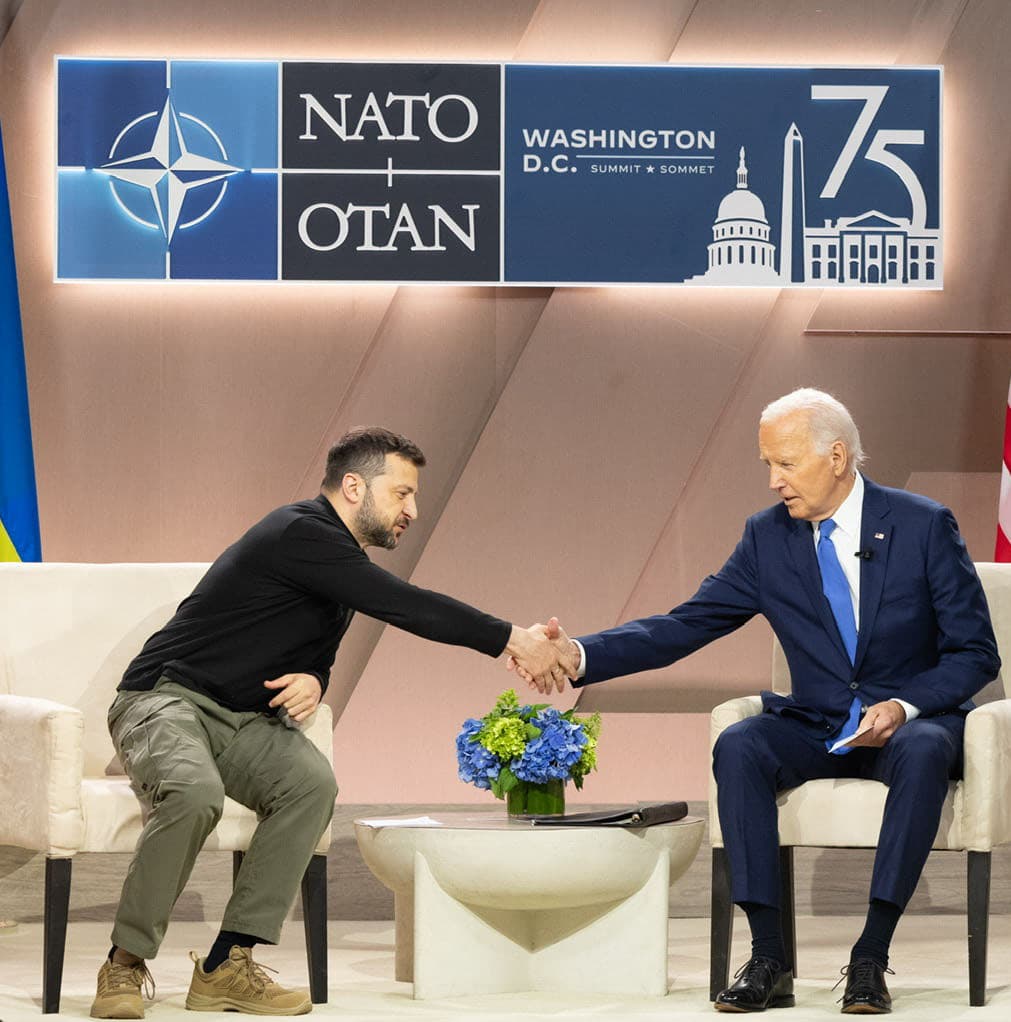
July 6, 2026 — NATO members are preparing to formalize a €140 billion military-aid package for Ukraine at a summit in Turkey, a two-year commitment that would deepen Europe and Canada’s financial role in the war while keeping the U.S. central to Kyiv’s defense.
The pledge, with €70 billion expected by the end of this year, marks a major escalation in Western support and shifts the summit’s economic focus from declarations of solidarity to the mechanics of sustaining Ukraine’s battlefield needs. Air defense is expected to dominate the talks, reflecting Kyiv’s urgent demand for systems and interceptors as Russia continues strikes on Ukrainian cities and infrastructure.
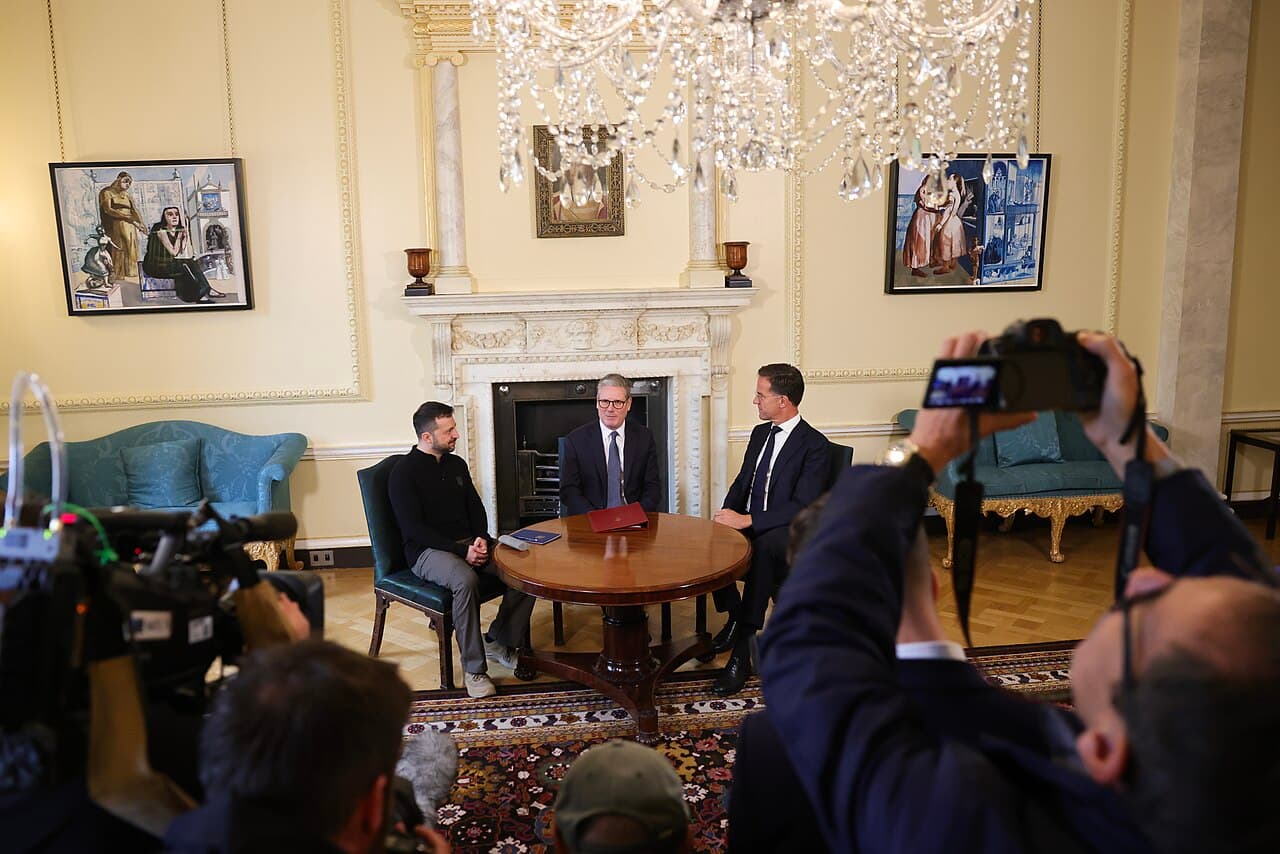
The package also underscores NATO’s political balancing act. Secretary General Mark Rutte has said Ukraine’s membership remains off the table for now, even as allies seek to harden Ukraine’s defenses and reassure frontline NATO states bordering Russia. The message to Washington is equally important: European countries and Canada are putting more money on the table, but not presenting the effort as a substitute for U.S. military, intelligence and logistical support.
That distinction matters for markets because the aid plan points to a longer procurement cycle for missiles, air-defense systems, armored vehicles and munitions rather than a short-term emergency transfer. Defense contractors have already reflected some of that expectation. RTX closed at $200.74 on July 6, up 0.7% from the previous session and above its conventional upper Bollinger Band, with its 14-day RSI at 70.2, a level many market technicians view as stretched. General Dynamics rose 0.7% to $376.19, also above its upper Bollinger Band. Lockheed Martin slipped 1.3% to $538.68 but remained above its 50-day moving average and near its 200-day moving average.

The investor case is not simply higher spending; it is whether NATO governments can turn pledges into executable contracts fast enough to replenish stockpiles and deliver equipment to Ukraine. Recent company filings highlight the same tension. RTX has warned that defense businesses can be affected by shifts in U.S. budget priorities, licensing delays and sanctions risk. Lockheed Martin has pointed to weapons-procurement and missile-defense priorities while flagging supply-chain exposure, including rare earth minerals. General Dynamics has cited defense-budget changes and contract risk as key uncertainties.
The geopolitical backdrop remains volatile. NATO countries bordering Russia are stepping up preparations for possible conflict, while Germany and the U.S. have been discussing a new NATO agreement aimed at sustaining long-term support for Ukraine. Proprietary indicators from Adalytica.com showed global stability sentiment rebounding to a neutral 52 on July 6 from deeply negative readings over the prior two days, while U.S. White House policy direction sentiment stood at 100, signaling strong market attention to Washington’s stance.
The Turkey summit will test whether NATO can convert a large funding headline into a durable procurement and delivery plan without fracturing over Ukraine’s path to membership or the scale of future aid. For Kyiv, the immediate issue is air defense. For investors, the question is which contractors benefit from a multi-year rearmament cycle — and whether politics in Washington and Europe can keep the money flowing.
| Entity | Gains | Losses |
|---|---|---|
| Ukraine | ▲More air-defense funding | ▼No NATO membership path |
| European and Canadian allies | ▲Greater strategic influence | ▼Higher fiscal burden |
| U.S. administration | ▲Allies share costs | ▼Pressure to stay engaged |
| Defense contractors | ▲Longer procurement cycle | ▼Supply-chain and policy risk |