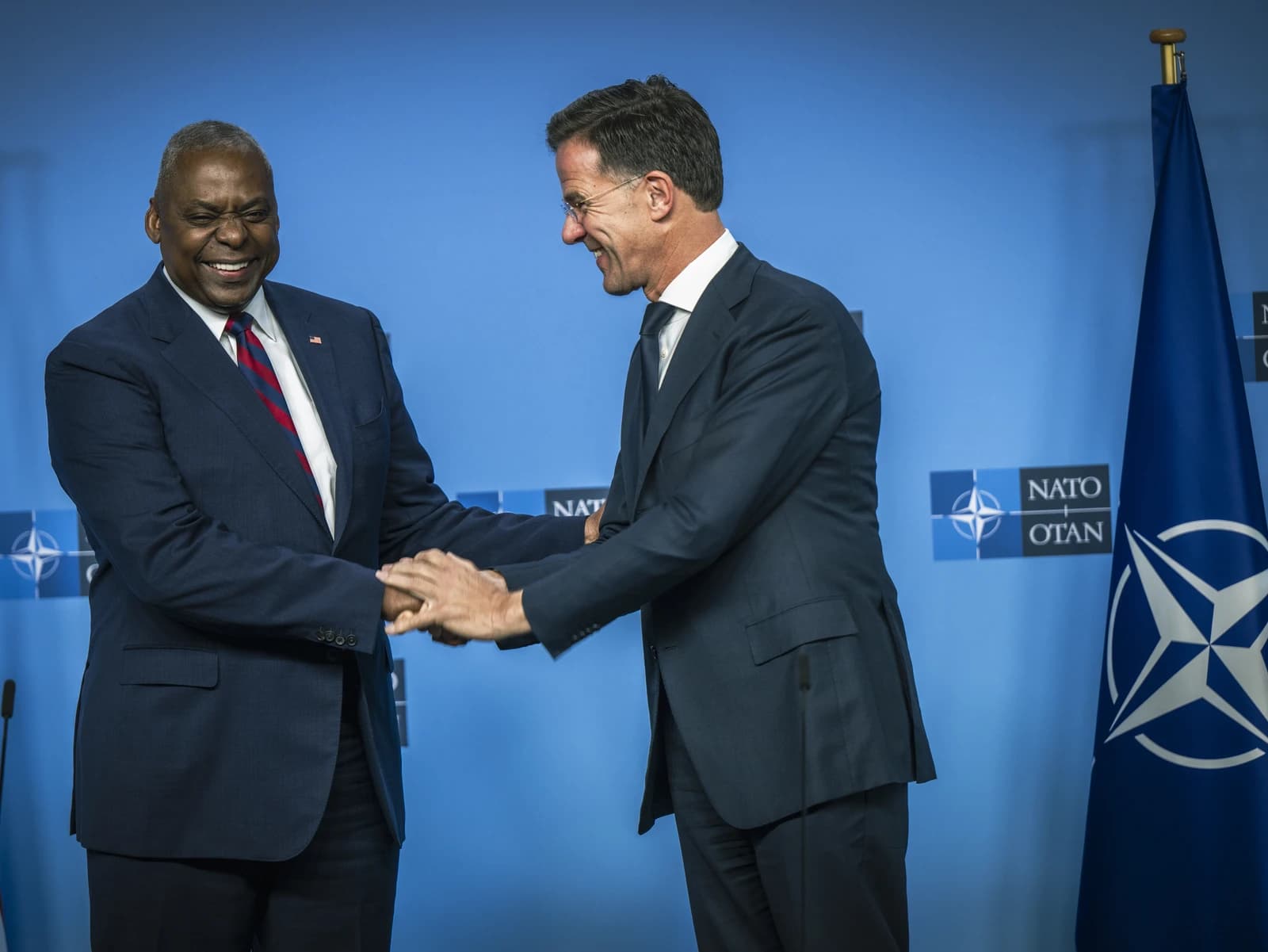
The Trump administration is escalating pressure on NATO allies to spend more on defence, a shift that matters for Europe’s security posture, the transatlantic relationship and the revenue outlook for major weapons makers.
NATO Defence Spending Push Supports Defence Stocks
US Secretary of State Marco Rubio said calls for Britain, Germany and other allies to boost military budgets are “not a hostile thing,” arguing stronger member states make NATO more effective as a deterrent. His comments, delivered in Portugal and Greece, come as Washington pushes allies toward a target of spending 5% of economic output on defence by 2035, a commitment NATO members made last year under heavy pressure from President Donald Trump.
Sentiment IndicatorsⓘProprietary · adalytica.com · October 10, 2026
This is a snapshot — live sentiment, awareness and momentum for 130+ markets update continuously in the dashboard.Open AlphaPulse
The policy push has direct economic implications. Higher defence budgets typically flow into aircraft, missiles, air defence, munitions, satellites and cyber capabilities, supporting procurement pipelines for US and European contractors while forcing governments to reallocate spending away from welfare, infrastructure or tax relief. That trade-off is increasingly visible in Britain, where the government is under pressure to spell out how it will hit the NATO target.
For investors, the message reinforces a secular demand tailwind for the sector. Lockheed Martin, Northrop Grumman and RTX have already been trading with elevated volatility as markets try to price in a longer period of elevated military spending, and the latest rhetoric suggests that backdrop is likely to persist. Northrop shares closed at $480.72 on Oct. 9, down from $761.19 in early March, while RTX ended at $185.97 after trading as high as $225.49 in August, leaving contractors sensitive to policy headlines even as long-term order books improve.
The White House’s hard line also shows the political shift inside NATO. Defence Secretary Pete Hegseth has accused some allies of “free-riding” and ordered a review of US forces in Europe, while Rubio said some countries had “stepped up” and others were “dragging.” Germany has been singled out as a positive example, but the UK faces growing scrutiny over whether it can meet its funding milestones without opening a fresh budget fight.
For markets, the main question is whether allied spending translates into faster contract awards and margin support for prime contractors, or whether it gets diluted by procurement delays and fiscal constraints. The next catalyst is likely to be further detail from European capitals on how they will finance the NATO pledge, alongside any new US force-posture review or Pentagon procurement guidance.
| Entity | Gains | Losses |
|---|---|---|
| Lockheed Martin, Northrop Grumman, RTX | ▲Bigger NATO budgets | ▼Budget uncertainty, execution delays |
| US and European defence ministries | ▲Stronger deterrence | ▼Pressure on public finances |
| NATO allies meeting targets | ▲More US backing | ▼Higher fiscal strain |
| Allies “dragging” on spending | ▲— | ▼More US criticism and pressure |