Nepal’s finance minister is pressing ahead with high-level meetings in New Delhi as Kathmandu seeks to ease trade barriers with its largest commercial partner and improve customs and transit links that shape cross-border commerce.
Nepal finance minister meets India officials on trade
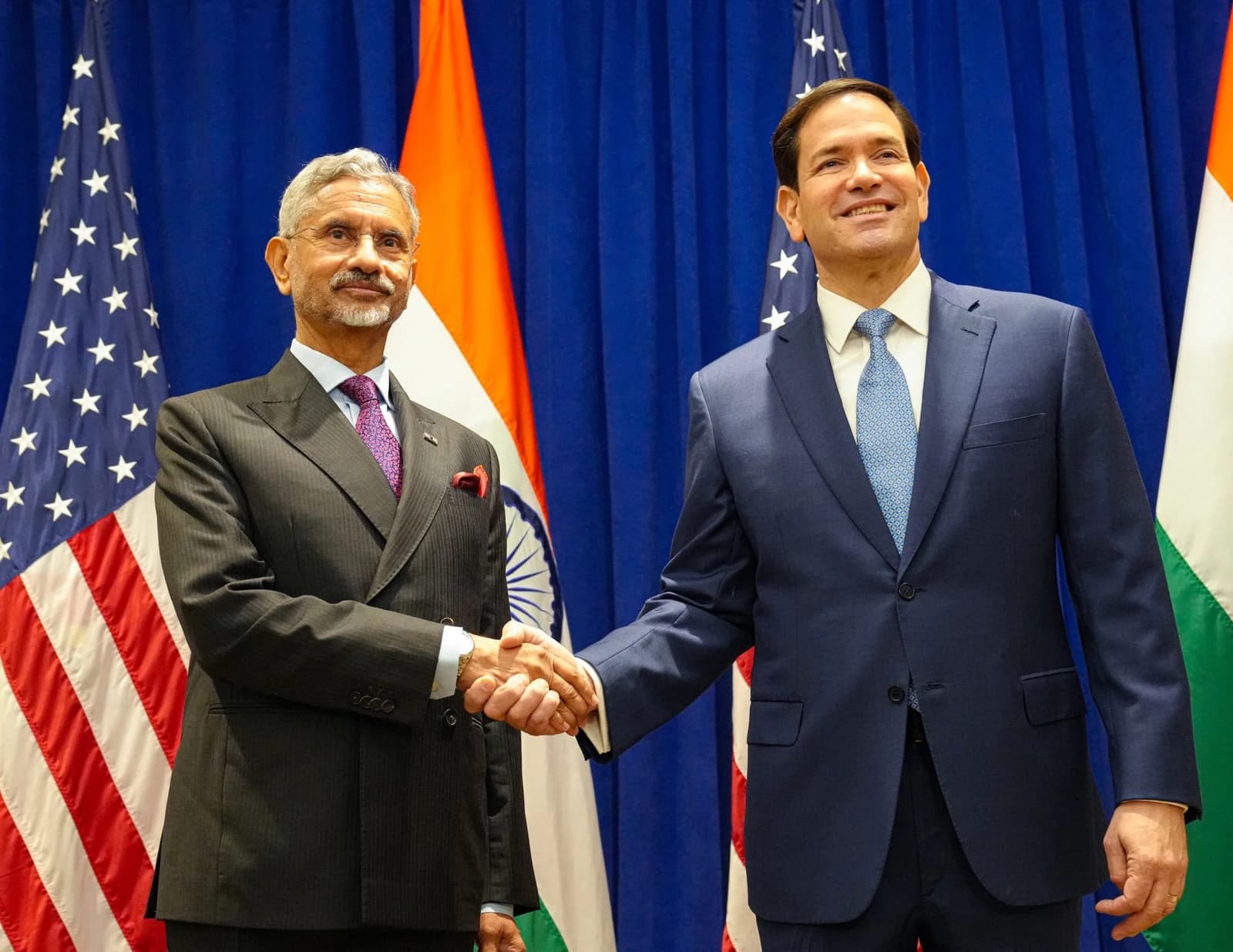
On the second day of his three-day India visit, Finance Minister Swarnim Wagle is scheduled to take part in a high-level diplomatic dialogue, meet Indian External Affairs Minister S. Jaishankar and join a broader business gathering focused on Nepal-India economic cooperation. The talks come after Wagle’s bilateral meeting Thursday with Indian Finance Minister Nirmala Sitharaman.
The timing matters because Nepal’s economy is tightly tied to India for market access, transit routes and imports of fuel, food and industrial goods. Any progress on customs procedures, border movement or trade facilitation can lower logistics costs, speed deliveries and support private-sector activity in both countries.
For investors, the visit is mainly about policy continuity and smoother bilateral execution rather than a near-term market catalyst. Better transit and customs coordination can help Nepali importers, exporters and logistics firms, while Indian companies with exposure to Nepal could benefit from reduced frictions in trade and project execution.
Wagle is also due to speak at a diplomatic forum hosted by former Indian foreign secretary Shyam Saran and attend a larger business event organized by the India Trade Promotion Organisation, where officials are expected to discuss multiple dimensions of economic cooperation. His delegation includes senior officials from Nepal’s finance and foreign ministries and the embassy in New Delhi.
The trip ends Saturday with additional private-sector and high-level meetings before the delegation returns to Kathmandu, leaving traders and businesses watching for any concrete follow-up on customs, transit and trade facilitation measures.
| Entity | Gains | Losses |
|---|---|---|
| Nepal exporters/importers | ▲Lower trade frictions | ▼Higher transport delays |
| Indian businesses in Nepal | ▲Easier market access | ▼Friction from border bottlenecks |
| Logistics and customs operators | ▲More cross-border flow | ▼Inefficiency-driven costs |
| Consumers in both countries | ▲Better supply availability | ▼Price pressure from disruptions |