Nepal floods damage roads, bridges and hydropower
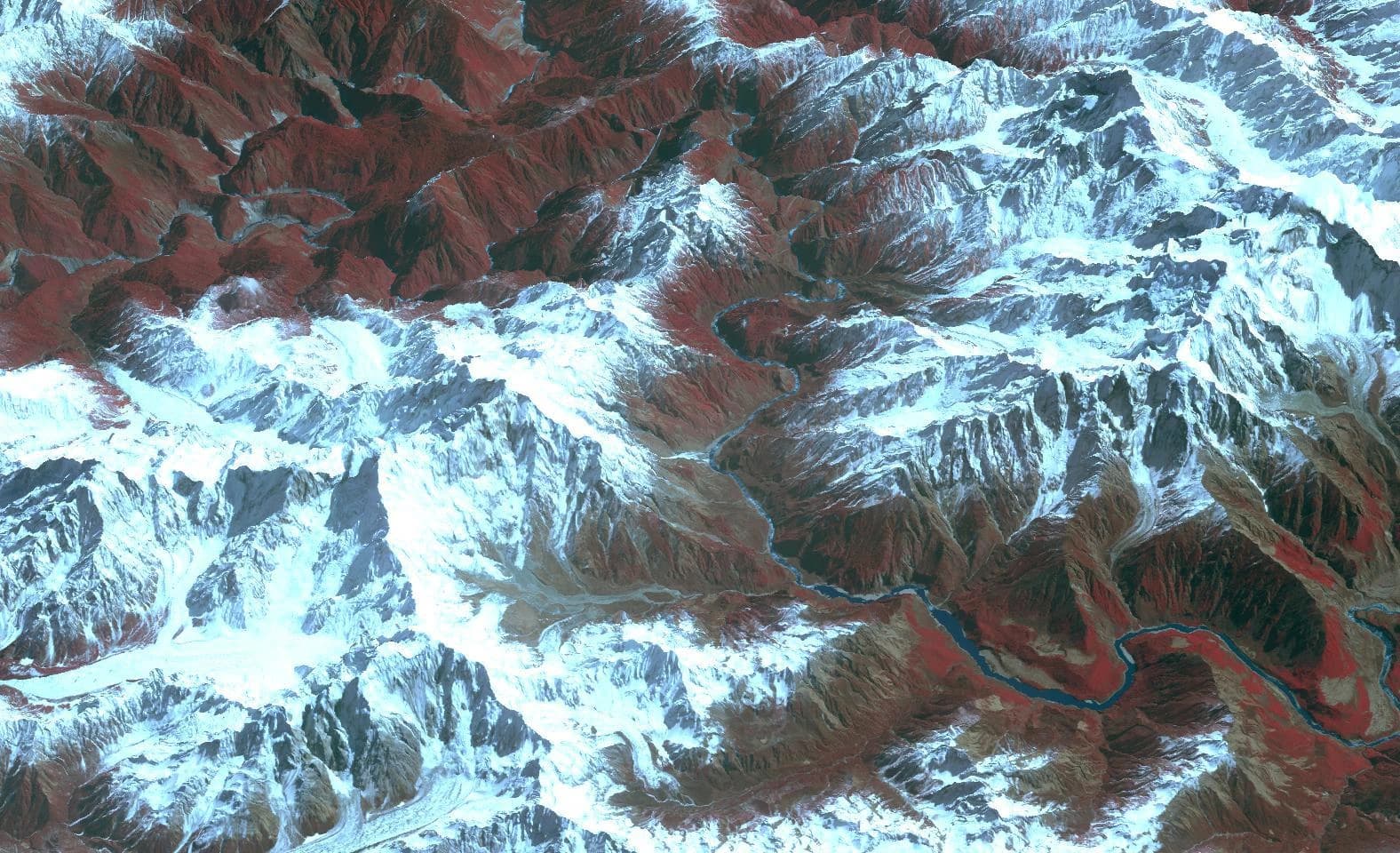
A deadly wave of flash floods in the Himalayas has turned China’s border infrastructure drive into a live geopolitical and economic risk, with Nepal, India and China all facing the fallout from unstable terrain, threatened hydroelectric assets and disrupted trade routes.
The immediate issue is no longer just environmental damage. It is the exposure of critical infrastructure in one of the world’s most fragile mountain corridors, where a landslide and glacier collapse formed a natural dam that burst and sent water racing downstream. Authorities now warn a second flood wave could follow if the remaining barrier gives way, putting lives, roads, bridges and power projects at risk across the region.
That matters because the Himalayas are becoming central to three very different national priorities. China wants to keep building out strategic infrastructure near Tibet. Nepal needs reliable roads and electricity to support growth. India is watching the border region for both security and energy reasons. When these projects fail or are delayed, the costs are not abstract: lost power output, severed logistics links, emergency repair bills and higher insurance and financing risk for new developments.
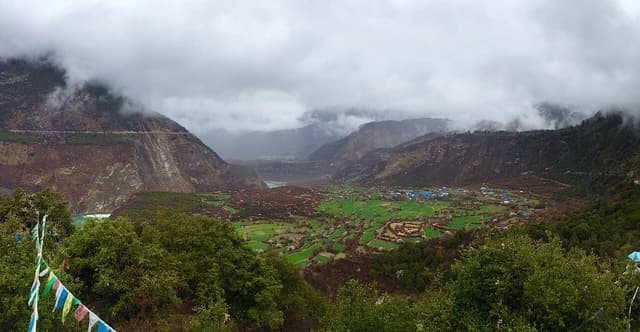
The human toll is already severe, with at least 380 people reported dead and 1,500 still missing after the flooding in northern Nepal. Dozens of bridges and roads have been damaged, and around a dozen hydroelectric projects have been hit. For investors, that turns what can look like a remote disaster into a broader read on infrastructure resilience, climate exposure and the durability of growth plans in the Himalayas.
It also helps explain why markets keep assigning more weight to climate and geopolitical risk in emerging and frontier markets. The region’s energy buildout depends heavily on hydropower, which can be cheap and renewable but is also vulnerable to landslides, glacial lake outbursts and river blockages. The more governments lean on mega-projects in difficult terrain, the more they need to spend on engineering, monitoring and contingency planning — all of which can slow returns.
For Chinese builders and adjacent supply chains, that raises execution risk. For Nepal and India, it threatens infrastructure continuity and energy security. For global investors, it is a reminder that the next big growth story in South Asia may also be one of the biggest physical-risk stories.
That backdrop fits a market already more alert to geopolitical strain. Adalytica’s US-China relations gauge shows neutral sentiment but extremely high awareness, while its global stability reading sits in “extreme greed,” suggesting investors are paying close attention to fragility even when headline fear is not dominant. In practical terms, that means disasters like this can quickly affect how capital is priced across infrastructure, utilities and construction.
Stocks tied to the story are not obvious single names, but the winners and losers are. Companies that design flood-resistant infrastructure, grid hardening and remote monitoring could benefit over time. Developers, lenders and contractors exposed to Himalayan hydro and transport projects face rising risk. The lesson for long-term investors is simple: in regions where mountains, rivers and geopolitics collide, resilience may matter as much as growth. Worth watching, but only for patient investors who understand the risks.
| Entity | Gains | Losses |
|---|---|---|
| Resilience and engineering firms | ▲More demand for hardening | ▼Higher project scrutiny |
| Hydropower developers | ▲Long-term energy demand | ▼Flood and landslide risk |
| Nepal, India border regions | ▲Emergency infrastructure spending | ▼Trade and power disruptions |
| China mega-project planners | ▲Strategic reach if projects hold | ▼Delay, damage, reputational risk |