Netherlands report urges bigger food stockpiles
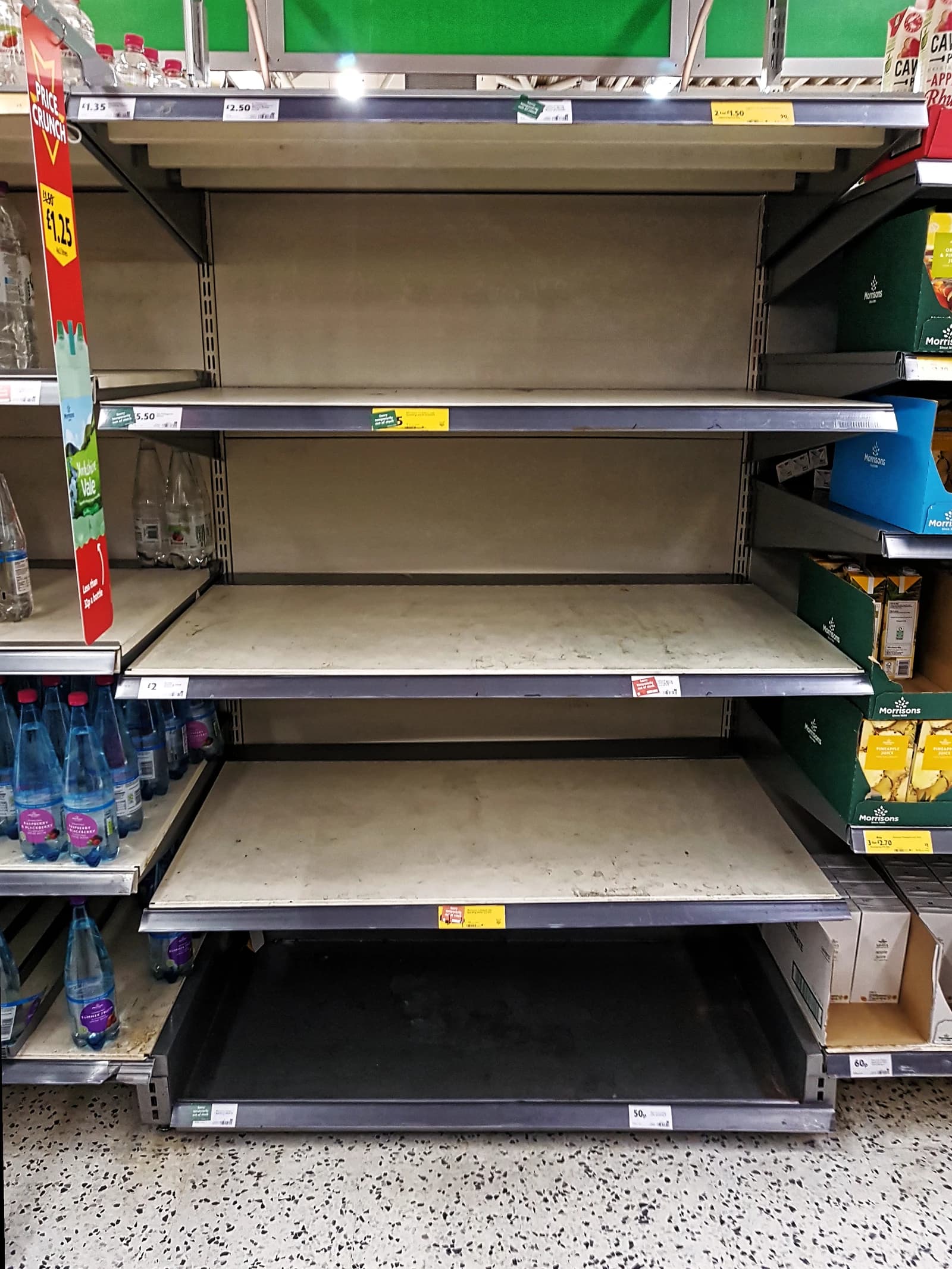
A Dutch government-backed report warning that supermarket shelves could empty within three days of a major crisis underscores how fragile just-in-time food systems can become when electricity, digital networks or logistics are disrupted.
The study, commissioned by the Agriculture Ministry and prepared by the Clingendael Institute and Erasmus University, says prolonged power cuts, extreme weather and cyberattacks could severely interrupt food supply in the Netherlands. It recommends households lift emergency food holdings to eight days from the current three, a sign that policymakers are treating food resilience as an infrastructure issue rather than a consumer precaution.
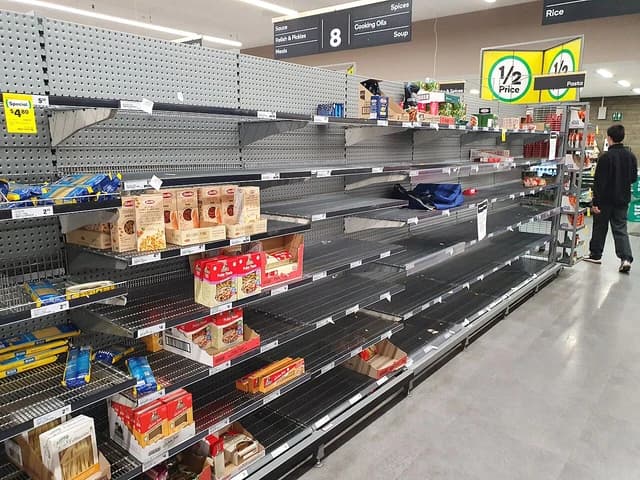
Economically, the message is that low inventory is efficient only until it is not. Dutch supermarkets and suppliers keep warehouse stocks lean to reduce costs, a model that supports margins in normal conditions but leaves the system exposed when digital ordering, transport or cold-chain operations are knocked out. In a severe cyber incident, the report said, existing store inventory could be exhausted in three days, forcing rationing, emergency logistics or state intervention.
That matters beyond the Netherlands because it highlights a broader European vulnerability: food inflation and supply volatility can accelerate quickly when retailers have little buffer stock and households rely on continuous replenishment. The warning also comes at a time when supply chains are already under pressure from geopolitical and energy-market strains, including tight shipping capacity in oil transport that is lifting freight costs and threatening to spill into broader distribution expenses.
For investors, the immediate read-through is mixed. Grocery chains such as Walmart, Costco and Target benefit from any shift toward stockpiling, which can lift basket sizes and traffic in the near term, but they also face higher working-capital needs if governments or consumers demand larger inventories. That could pressure inventory turns, a key metric for retailers built around rapid replenishment. The same lean-stock model that has supported efficient capital use may look more fragile if emergency preparedness becomes a recurring policy theme.
The equity market has already shown how sensitive food and retail names can be to changes in supply assumptions. Walmart shares remain above their 50-day average but below their 200-day average, while Costco and Target have both seen sharper swings in recent months, reflecting investor uncertainty over margins, inventory levels and consumer demand. If governments across Europe begin encouraging larger emergency reserves, the winners would be warehouse clubs, grocers and packaged-food suppliers; the losers would be households facing higher upfront costs and retailers that must fund more stock on their balance sheets.
The bigger narrative is that resilience is becoming expensive. What used to be an efficiency problem in retail is turning into a national security question, and that raises the odds of policy support for bigger private and public stockpiles, especially in countries exposed to cyber risk, energy shocks and weather-related disruptions.
| Entity | Gains | Losses |
|---|---|---|
| Grocery chains | ▲Higher stockpiling demand | ▼Higher inventory costs |
| Households | ▲Better crisis resilience | ▼More upfront spending |
| Governments | ▲Stronger preparedness | ▼Budget pressure |
| Lean-inventory retailers | ▲Short-term sales lift | ▼Weaker inventory efficiency |