New York City supermarket plan and grocery sector
New York Mayor Zohran Mamdani’s plan for five city-owned supermarkets has become a much bigger economic story than the stores themselves, because it challenges one of the most powerful assumptions in American capitalism: that the private sector is the only reliable way to deliver abundance, choice and low prices.
That is why the debate has spread far beyond grocery aisles. For investors, the real issue is not whether five public stores can dent Walmart, Costco or Gristedes — they almost certainly cannot — but whether Mamdani’s idea signals a broader willingness by cities to step into basic consumer markets when households feel squeezed by inflation.
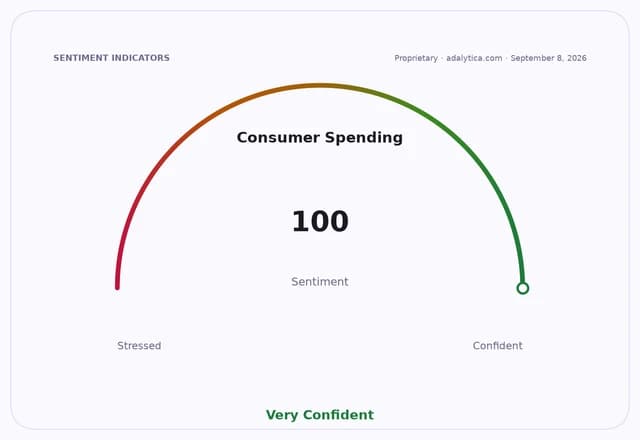
The politics matter because groceries are one of the most visible places where consumers judge the economy every week. CPI has climbed to 332.8 in July from 21.5 in 1947, and even though inflation has cooled from its peak, food remains a sensitive cost for households. At the same time, the unemployment rate has eased to 4.1%, suggesting the labor market is still relatively healthy even as people remain highly price-conscious. That combination is exactly the kind of backdrop that gives a “public option” for groceries political traction.
The symbolism is even more important than the economics. Supermarkets are deeply embedded in the American idea of choice and efficiency, and critics hear echoes of failed state-run systems whenever government talks about selling food. Supporters, meanwhile, see a practical response to food insecurity and neighborhood grocery deserts. Mamdani is trying to revive a New Deal-style belief that government can directly improve daily life, not just regulate private companies.
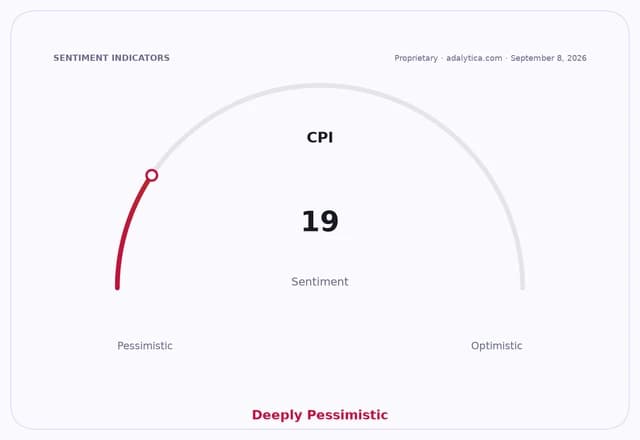
For investors, the immediate market impact is limited. Five stores managed with private operators will not meaningfully change the competitive landscape for Walmart, Target or Costco, and New York’s plan is too small to rewrite grocery margins across the industry. But the episode is worth watching because it reinforces a larger truth: when consumers feel stretched, retail and food access become political, and political pressure can shape zoning, subsidies, pricing scrutiny and operating costs for the big chains.
That is why the sharper takeaway is not about the supermarkets themselves, but about the appetite for intervention. If this model spreads, the winners are households looking for more affordable access and local governments eager to show they can act. The losers would be private grocers facing more competition for political attention, if not for customers. For long-term investors, the right response is not to fear five stores in New York, but to watch whether the mood behind them keeps building. That could matter for the entire grocery sector over the next several years.
| Entity | Gains | Losses |
|---|---|---|
| New York households | ▲Possible lower-cost access | ▼Less reliance on private grocers |
| City government | ▲Political goodwill | ▼Operational and financial risk |
| Walmart, Costco, Gristedes | ▲Little to no impact | ▼More policy scrutiny |
| Private grocers generally | ▲Stable market structure | ▼Expanded public-sector precedent |