New York Fed Survey Shows Higher Job Loss Fears
Consumers’ inflation expectations barely moved in August, but worries about the labor market and household finances intensified, a combination that matters for the Federal Reserve because it points to cooling confidence without easing price pressures.
The New York Fed’s latest consumer expectations survey showed one-year inflation expectations unchanged at 3.6% and five-year expectations steady at 3.0%, while the three-year outlook edged down to 3.2% from 3.3%. That suggests households are not yet seeing a broad disinflationary trend take hold, even as policy makers try to judge whether tariff-driven price increases or weaker demand will dominate the outlook.
What changed more sharply was the view on employment. The share of respondents expecting unemployment to be higher a year from now rose to its highest level since April 2020, when the pandemic was battering the economy, according to the survey. The deterioration was broad-based across age, income and education groups. At the same time, consumers said the probability of finding a new job after involuntary unemployment fell, and assessments of current and future household finances and access to credit worsened.
That combination is economically important because it points to a consumer sector that is becoming more cautious even before inflation expectations have fallen convincingly. For the Fed, which has repeatedly said it is balancing price stability against labor-market risks, the survey will reinforce the argument that weakening demand could soon matter as much as sticky inflation. The New York Fed’s household survey has been watched closely by officials looking for early signs of stress in consumption, credit use and employment.
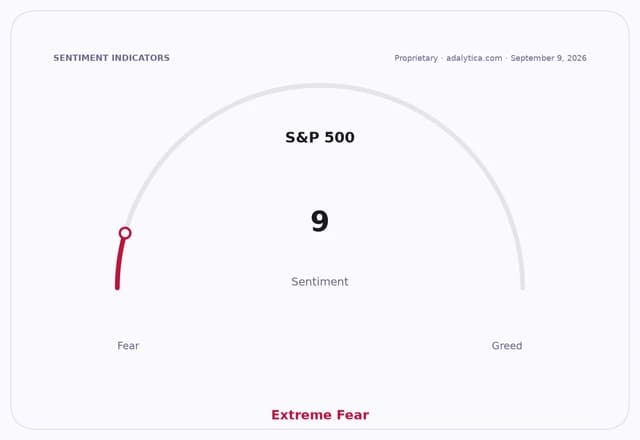
For markets, the message is mixed. Stable longer-run inflation expectations reduce the risk of a sudden re-pricing toward more aggressive tightening, but rising unemployment fears and softer household finances support demand for Treasuries and strengthen the case for easier policy later this year. Bond traders appeared to lean in that direction, with the iShares 20+ Year Treasury Bond ETF, TLT, hovering around $82.23, below its 200-day moving average but above recent lows, while the S&P 500, tracked by SPY, remained near record territory even as Adalytica’s sentiment gauge for the index showed “Extreme Fear,” underscoring how quickly confidence can diverge from prices.
The broader narrative is that American consumers are entering a more fragile phase: they are not yet convinced inflation is fully beaten, but they are increasingly worried about jobs, borrowing and day-to-day finances. That is the sort of backdrop that can slow spending, weaken earnings expectations and complicate the Fed’s path toward rate cuts or a prolonged hold. Investors will now look for confirmation in upcoming labor data, credit indicators and the next round of inflation prints to see whether the survey’s caution is turning into a harder macro slowdown.
| Entity | Gains | Losses |
|---|---|---|
| Treasury bulls | ▲Safer-haven demand | ▼If inflation re-accelerates |
| Fed doves | ▲Case for easing later | ▼Inflation credibility if too late |
| Consumers with savings | ▲Potential rate relief | ▼Job-security concerns |
| Equities tied to spending | ▲Lower rates if growth slows | ▼Softer consumption and margins |