New York Sends Inflation Refund Checks
Nearly 9 million New Yorkers are about to get state-issued “inflation refund” checks, a direct cash boost that underscores how much of the post-pandemic price surge has lingered even as headline inflation eases.
The payments matter because they arrive at a moment when inflation, while far below its peak, still sits well above the Federal Reserve’s 2% target and continues to shape household spending, state politics and investor positioning. The latest CPI data show headline consumer prices rising at an annual pace of about 3.6%, while core inflation remains closer to 3.2% — evidence that the cost-of-living pressure is still real enough for policymakers to feel compelled to act.
That is the economic backdrop behind New York’s decision to send checks to millions of residents. The refunds are designed to offset the burden of higher prices, but they also act like a small fiscal stimulus at the margin, putting money into wallets just as consumers remain selective and value-conscious. For retailers, grocers, discount chains and consumer lenders, that can translate into a modest lift in spending power. For the state, it is a reminder that inflation relief has become a political as well as economic necessity.
For investors, the message is less about the dollar amount than the direction of travel. When governments move to rebate inflation pressure directly to households, it is a sign the consumer remains under strain even if the broad data are improving. That favors companies tied to essentials, low-ticket purchases and credit-sensitive shoppers, while leaving premium discretionary names more exposed if consumers use the checks to plug holes in budgets rather than spend freely. It also reinforces the case that inflation is not “fixed” just because it is lower than two years ago.
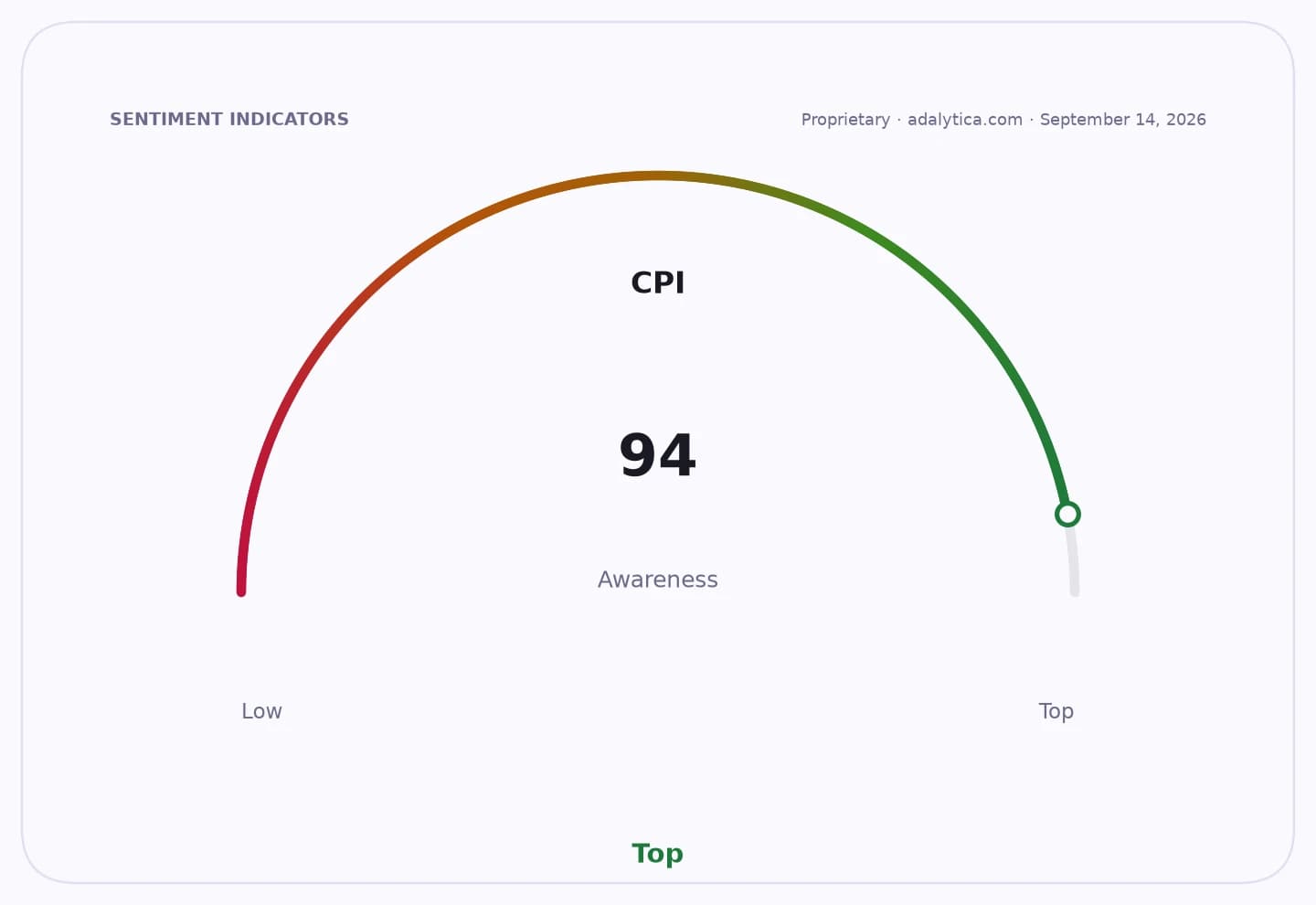
The market is already wrestling with that tension. Adalytica’s CPI sentiment gauge shows extreme fear around inflation, even as awareness remains elevated, suggesting investors are still highly sensitive to any sign that price pressures could reaccelerate or prove sticky. That kind of backdrop tends to keep pressure on bond yields, protect pricing power in select sectors and support businesses that can benefit from a cautious, bargain-hunting consumer.
My view is that these checks are a small but important signal: inflation may be cooling, but the household balance sheet is still absorbing the aftershocks. That means the best opportunities remain in the names built for a stretched consumer — discounters, payment processors, budget retailers and utilities — while investors should stay cautious on businesses that depend on broad-based discretionary confidence. In a market still defined by inflation’s hangover, cash in consumers’ hands matters.
| Entity | Gains | Losses |
|---|---|---|
| New York households | ▲Near-term cash boost | ▼No structural relief from high prices |
| Discount retailers | ▲More value-focused traffic | ▼Less benefit to premium brands |
| State government | ▲Political goodwill | ▼Higher fiscal outlay |
| Premium discretionary brands | ▲— | ▼Consumers stay budget-conscious |