New Zealand aged care reform funding challenge

New Zealand’s push to overhaul aged care is now colliding with the most important question in health policy: who pays for a system that needs major reform.
Associate Minister of Health Casey Costello has already signaled the scale of the challenge, saying there is “no denying there’s a significant price tag attached” to the report’s recommendations. That makes the report more than a social-policy exercise. It is a fiscal story, a funding story and, for investors, a reminder that aging populations create durable demand for care services even when governments try to slow the budget impact.
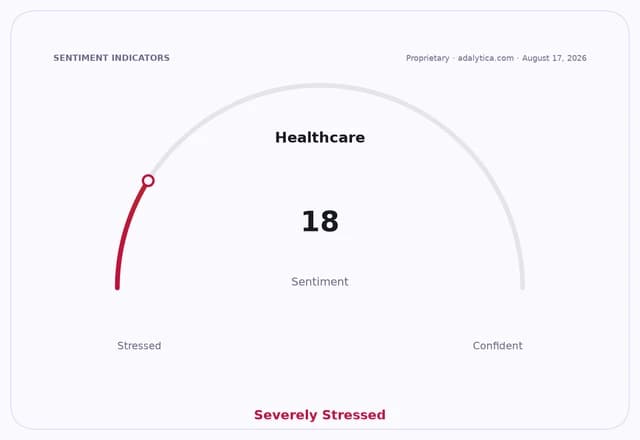
The economics are straightforward. New Zealand, like many developed countries, is facing rising demand for home care, residential care and support services as the population ages. The latest reforms, including changes to how home-care waitlists are counted, point to a government trying to improve access and reduce bottlenecks without pretending the current model is sustainable. But better access usually means higher near-term spending, especially if the policy goal is to bring more people into care sooner rather than later.
That matters because aged care is one of those sectors where political urgency and budget discipline inevitably collide. Waitlist changes can make the system look more efficient on paper, but they do not eliminate the underlying need for beds, staff, providers and reimbursement. If the report’s recommendations are adopted, the state will likely need to fund more capacity, more coordination and possibly a more generous mix of community and residential services. In other words, reform may lower some hidden costs over time, but it is unlikely to be cheap upfront.
For investors, the message is that aged care remains a structurally attractive end market, even if policy changes can be messy in the short run. In the U.S., companies such as Ensign Group, Brookdale Senior Living and Amedisys operate in a sector where reimbursement rules, staffing costs and occupancy trends can all swing results. Ensign’s recent strength — with shares still far above their summer lows — shows how investors reward companies that can grow through a fragmented system. Brookdale, by contrast, remains far more sensitive to execution and balance-sheet pressure. Amedisys sits closer to the home-health and hospice side of the industry, where access, reimbursement and patient flow are everything.
The larger long-term point is that aging is not a theme that goes away with one government report. It is a multi-year compounding story. Countries can restructure waitlists, redraw eligibility rules and shift more care into homes, but they cannot avoid the economics of an older population needing more support. That is why investors should think in terms of durable demand, not single policy headlines. The winners are likely to be the operators that can deliver care efficiently, absorb regulation and scale with discipline. The losers are systems that delay reform until costs become unavoidable.
If New Zealand follows through, the near-term bill could be significant. But for long-term investors, the bigger takeaway is that reform usually confirms the same investment thesis: demand for aged care is resilient, reimbursement is political, and the best businesses in the space can compound for years. This is a sector worth watching, not trading.
| Entity | Gains | Losses |
|---|---|---|
| Older patients and families | ▲Faster access to care | ▼Long waits and bottlenecks |
| Aged-care providers | ▲Higher demand and funding flow | ▼More regulation and cost pressure |
| Government budget | ▲Potentially better system efficiency over time | ▼Higher near-term spending |
| Investors in care operators | ▲Long-term secular growth | ▼Policy uncertainty and margin risk |