New Zealand data sovereignty shapes AI adoption
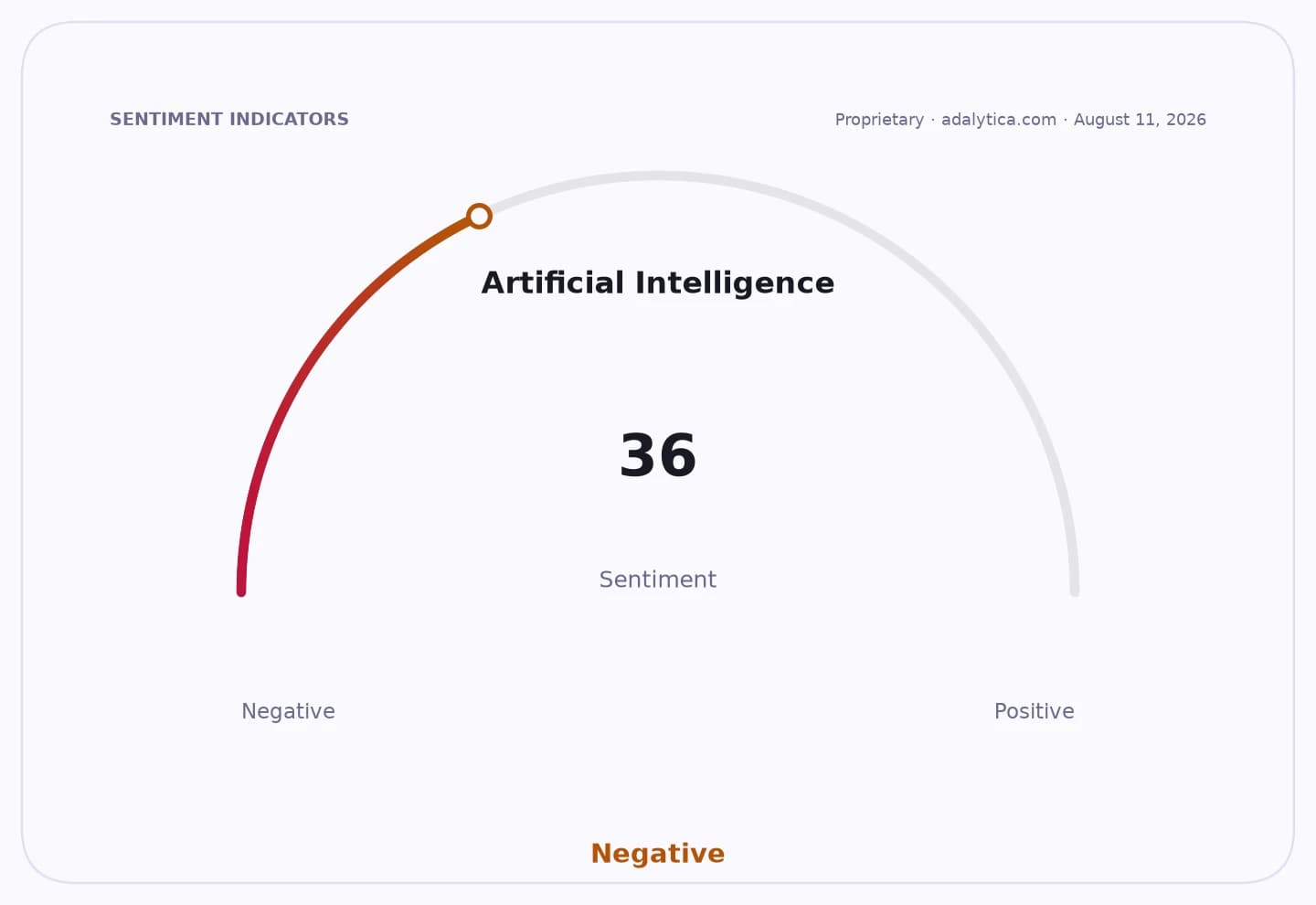
New Zealand’s slower push to build data sovereignty into artificial intelligence is emerging as more than a cultural policy debate: it is a competitiveness and risk-management issue for the country’s AI economy.
Dan Te Whenua Walker, a Māori AI founder, says Māori must be brought into the design and development of AI systems much earlier if the technology is to reflect local rights over data, language and knowledge. His warning lands as governments and companies worldwide face rising legal, security and reputational risks from how AI models are trained, stored and deployed.
The economic significance is clear. Data sovereignty is becoming a prerequisite for adoption in sectors that handle sensitive information, from health and education to public services and finance. If New Zealand lags in setting rules and norms around who controls data, where it sits and how it can be reused, it risks slowing investment, raising compliance costs and pushing firms to build AI systems elsewhere under foreign legal frameworks.
That matters particularly in a market where confidence in AI infrastructure is already being tested by security concerns. Recent restrictions on an AI system over cyberattack risks, alongside broader reports of AI-assisted phishing and data leakage, have sharpened the case for stronger safeguards. Microsoft and Oracle, both exposed to the rapid expansion of enterprise AI workloads, have disclosed in their filings that AI development and deployment can create legal liability, regulatory action, litigation and competitive harm. Microsoft has also warned that customers may shift AI workloads to local or on-premises alternatives if adoption slows or trust weakens.
For investors, the message is that AI revenue growth is increasingly tied to trust architecture, not just model performance. Companies that can prove data governance, regional control and regulatory readiness are better placed to win enterprise and public-sector contracts. Those that cannot may face delayed deployments, higher compliance spending and more scrutiny over how they use customer and community data.
Walker’s argument also points to a broader investment theme: the next phase of AI will be shaped less by raw computing power than by the ability to localize it. In New Zealand, that means building systems that respect Māori participation and data rights from the outset rather than retrofitting them later. For policymakers, the choice is whether to make sovereignty a constraint on innovation or a condition for making AI commercially and socially durable.
| Entity | Gains | Losses |
|---|---|---|
| Māori communities | ▲Earlier control over data use | ▼Exclusion from AI design |
| NZ AI adopters | ▲Clearer trust framework | ▼Slower deployment if rules lag |
| Microsoft, Oracle | ▲Demand for compliant AI tools | ▼Scrutiny over data handling |
| Foreign AI vendors | ▲Faster entry without local rules | ▼Higher barriers if sovereignty is enforced |