New Zealand supermarkets face breakup push
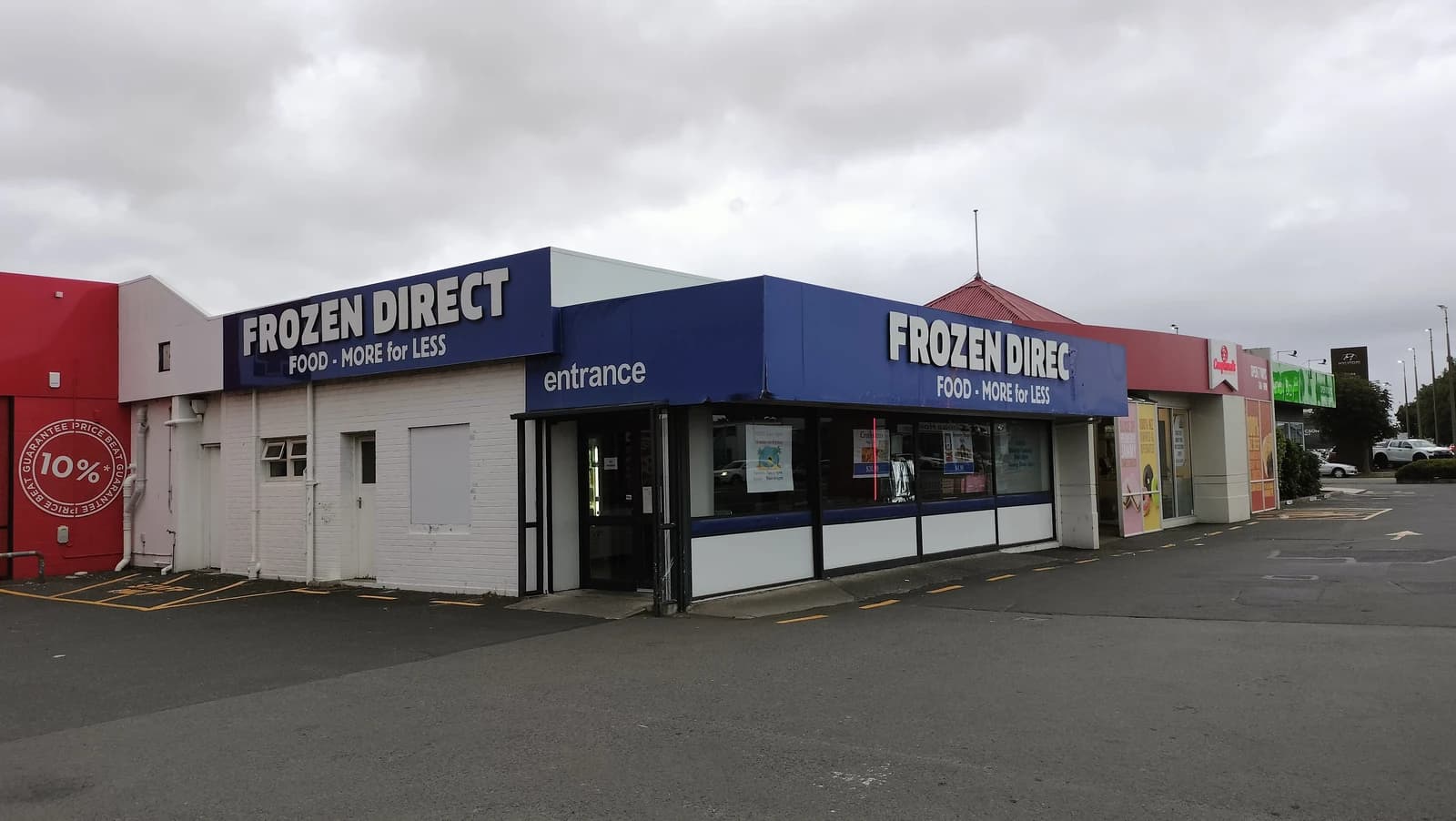
New Zealand’s election is being fought at the checkout, and that matters because the country’s biggest grocery chains are now at the center of a political push that could reshape pricing, competition and investment returns for years.
What is new is not simply that politicians want cheaper food. It is that National, long seen as business-friendly, is openly backing a forced breakup of Foodstuffs, the private co-operative that owns Pak’nSave and New World, while Labour, the Greens, Winston Peters and ACT are each offering their own answer to the same problem. That makes supermarkets a live policy risk, not a background cost-of-living issue, and it puts the economics of food retail squarely in the election campaign.

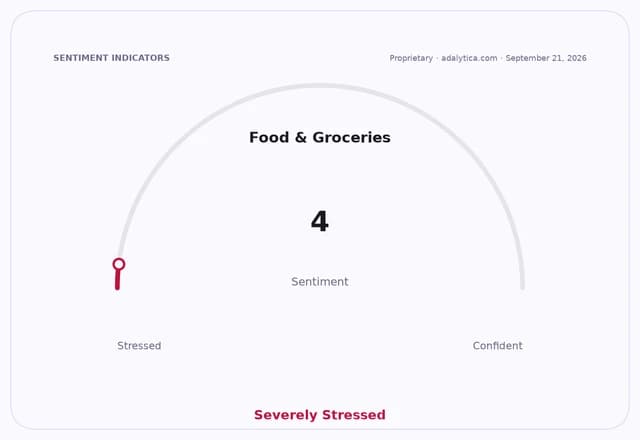
The stakes are large because grocery inflation hits households immediately and feeds directly into consumer sentiment, spending and broader political pressure. New Zealand has been dealing with persistently higher petrol, power, rates and borrowing costs, and supermarket bills have become a symbol of that squeeze. Adalytica’s Food and Grocery Spending Sentiment gauge sits at 4, labeled “Extreme Fear,” underscoring how stressed consumers remain around essentials even as general consumer spending sentiment is still elevated. In that environment, any promise of relief at the till becomes politically potent, whether or not it is economically simple to deliver.
National’s proposal is the most consequential because it moves beyond rhetoric to structural intervention. Its own modelling, prepared for MBIE by Sense Partners, suggests a split could reduce prices, but the analysis is qualified: the savings are estimates, not guarantees, and legal hurdles remain. That matters to investors because it tells you the policy path is uncertain, slow and likely to face resistance from both the industry and the courts. Even if the government got its way, the Commerce Commission would first spend six months reviewing the plan before Parliament could legislate, meaning any earnings impact would be years away.
For the grocery sector, the immediate implication is heightened regulatory overhang. Foodstuffs faces the largest existential risk, but the pressure does not stop there. If the debate hardens around market concentration, margins and planning restrictions, then all supermarket operators in New Zealand will have to defend pricing power, store economics and supplier relationships. The political scrutiny also increases the odds of narrower margins rather than a swift consumer windfall, because retailers may be forced to absorb some pressure while still contending with higher operating costs across energy, transport and labor.
The broader investment narrative is that this is less about one policy announcement than about a regional reset in grocery competition. Around the world, governments are leaning harder on food retailers as households revolt against sticky prices. Recent price cuts at Lidl in Denmark show how intense grocery competition can become when consumers are squeezed, but they also show how volatile the margin backdrop can be when chains fight to protect traffic. New Zealand is moving into the same kind of political economy: whoever can credibly promise relief wins attention, while retailers must decide whether to defend margins or sacrifice them to preserve share.
For investors, the lesson is straightforward. The market should not treat supermarket reform in New Zealand as an abstract election slogan. It is a potential multi-year earnings and valuation event for grocery chains, landlords tied to supermarket footprints, and suppliers exposed to shelf-space power. The more the campaign frames groceries as a structural competition problem, the higher the odds of heavier regulation, forced restructuring or eventual market entry incentives.
Our thesis is that the market underestimates how durable this grocery debate will be. Even if nothing changes before the vote, the political pressure on Foodstuffs and the wider supermarket model is now entrenched. That makes the defensive names vulnerable to headline risk, while any business positioned to gain share from a more competitive retail landscape could emerge as an asymmetric winner. Investors should treat New Zealand supermarkets as a policy battleground first and a consumer staple second.
| Entity | Gains | Losses |
|---|---|---|
| National / opposition parties | ▲Cost-of-living credibility | ▼Policy patience |
| Consumers / voters | ▲Potential price relief | ▼Slow implementation |
| Foodstuffs | ▲Little from scrutiny | ▼Breakup risk, margin pressure |
| Rival grocers / entrants | ▲Competition tailwind | ▼Uncertain if reform stalls |