Nifty near 24,650 as RBI rate decision looms
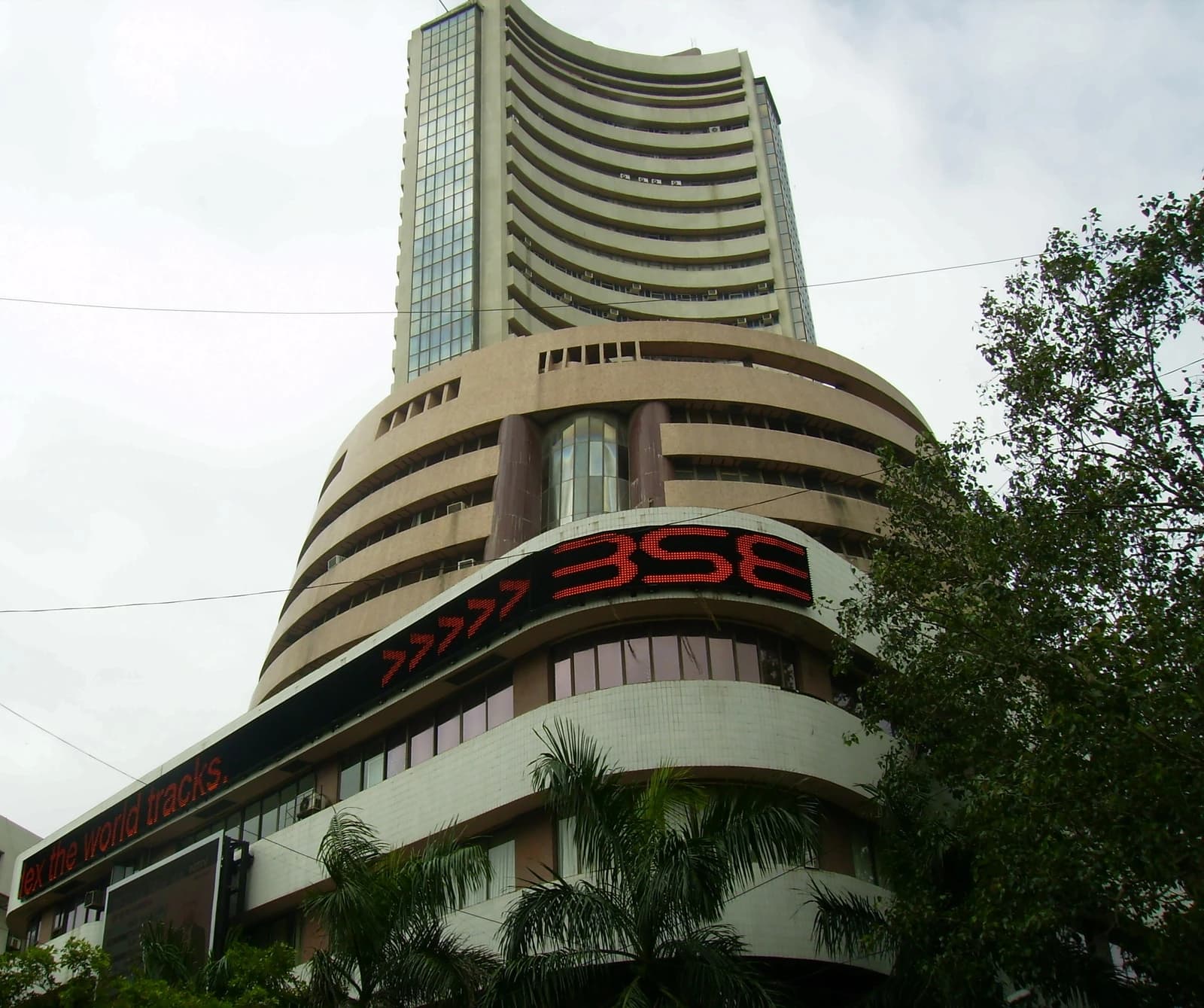
Indian shares were little changed on Wednesday as investors sat on their hands ahead of the Reserve Bank of India’s policy decision, with rate-sensitive stocks set to react to whether the central bank keeps borrowing costs unchanged at 5.25% or surprises a market already leaning toward a pause.
The market’s caution is economically important because the RBI is being asked to juggle two conflicting forces: inflation risks that remain sensitive to crude oil prices and growth support after a 125-basis-point easing cycle in 2025. A hold would preserve financing conditions that have already improved for households, property buyers and leveraged companies, while signaling that the central bank still sees enough uncertainty to avoid a fresh cut. That makes the policy statement, not just the repo rate, the main market event for traders.
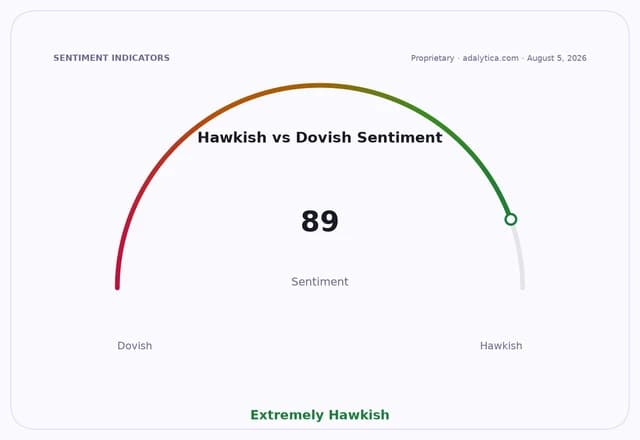
The Nifty slipped below 24,650 on Tuesday after a four-day winning run, while the Sensex hovered near 78,800 on Wednesday, showing that domestic equities were waiting for a clearer signal rather than pricing in a directional move. The Nifty’s 50-day moving average remains well above current levels, but the index is also trading just below its 200-day moving average, a reminder that the broader uptrend has not fully reasserted itself. The Nifty’s RSI reading of 63.3 suggests momentum is positive but not overheated, leaving room for a policy-driven move if the RBI sounds more dovish than expected.
For investors, the immediate question is whether banks, NBFCs, real estate names and auto lenders can extend the rally that followed the 2025 easing cycle. A steady rate path is usually constructive for credit growth and asset quality, but it can also cap near-term upside for rate-sensitive sectors if the market was positioned for faster transmission of earlier cuts. If the RBI stresses inflation vigilance, lenders with pricing power may outperform, while highly levered borrowers could lag as rate-cut expectations get pushed out.
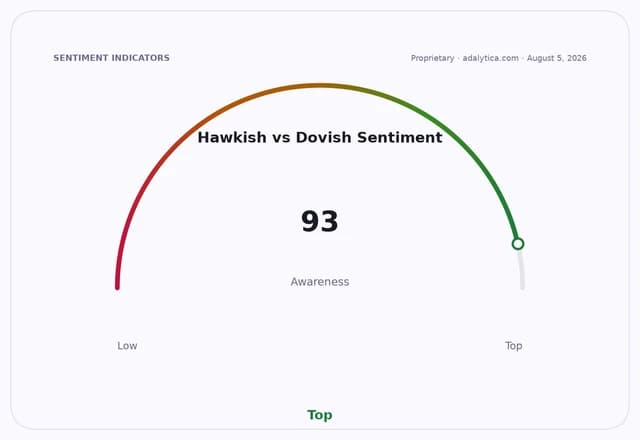
The backdrop is not purely domestic. US Treasury yields have been elevated, with the 10-year note around 4.76% in forecast terms, and that keeps global financial conditions tight even as Fed funds are seen holding near 3.625%. In India, the rupee has weakened to around 94.98 against the dollar, adding another reason for the RBI to stay cautious: any policy that is read as too accommodative could increase pressure on the currency and imported inflation.
There is also a regulatory overhang. The Supreme Court has given the RBI four weeks to put in place standard operating procedures to combat digital fraud, underscoring that the central bank is dealing not only with growth and inflation but also with financial-system integrity. That does not change the rate outlook by itself, but it adds to the reasons the RBI may prefer a measured, data-dependent message.
The bull case for equities is that a pause confirms the easing cycle is intact and keeps funding conditions supportive without triggering a fresh growth scare. The bear case is that a hold, paired with cautious guidance, leaves rate-sensitive sectors waiting longer for relief while foreign and domestic investors reassess valuations after the recent rebound.
What matters now is whether the RBI uses the statement to reinforce the idea of a soft landing or to remind markets that policy space is still constrained by inflation, oil and currency risks. For rate-sensitive stocks, the decision itself may be less important than the signal on how long the pause lasts.
| Entity | Gains | Losses |
|---|---|---|
| Banks and NBFCs | ▲Stable funding outlook | ▼Faster rate-cut hopes |
| Homebuyers and auto borrowers | ▲Cheaper credit stays in place | ▼Delayed additional relief |
| RBI | ▲Policy flexibility | ▼Pressure for immediate easing |
| Borrowers sensitive to rates | ▲Lower rates already passed through | ▼Higher-for-longer expectations |