Nigeria GDP Grows 4.43% in Q2 2026
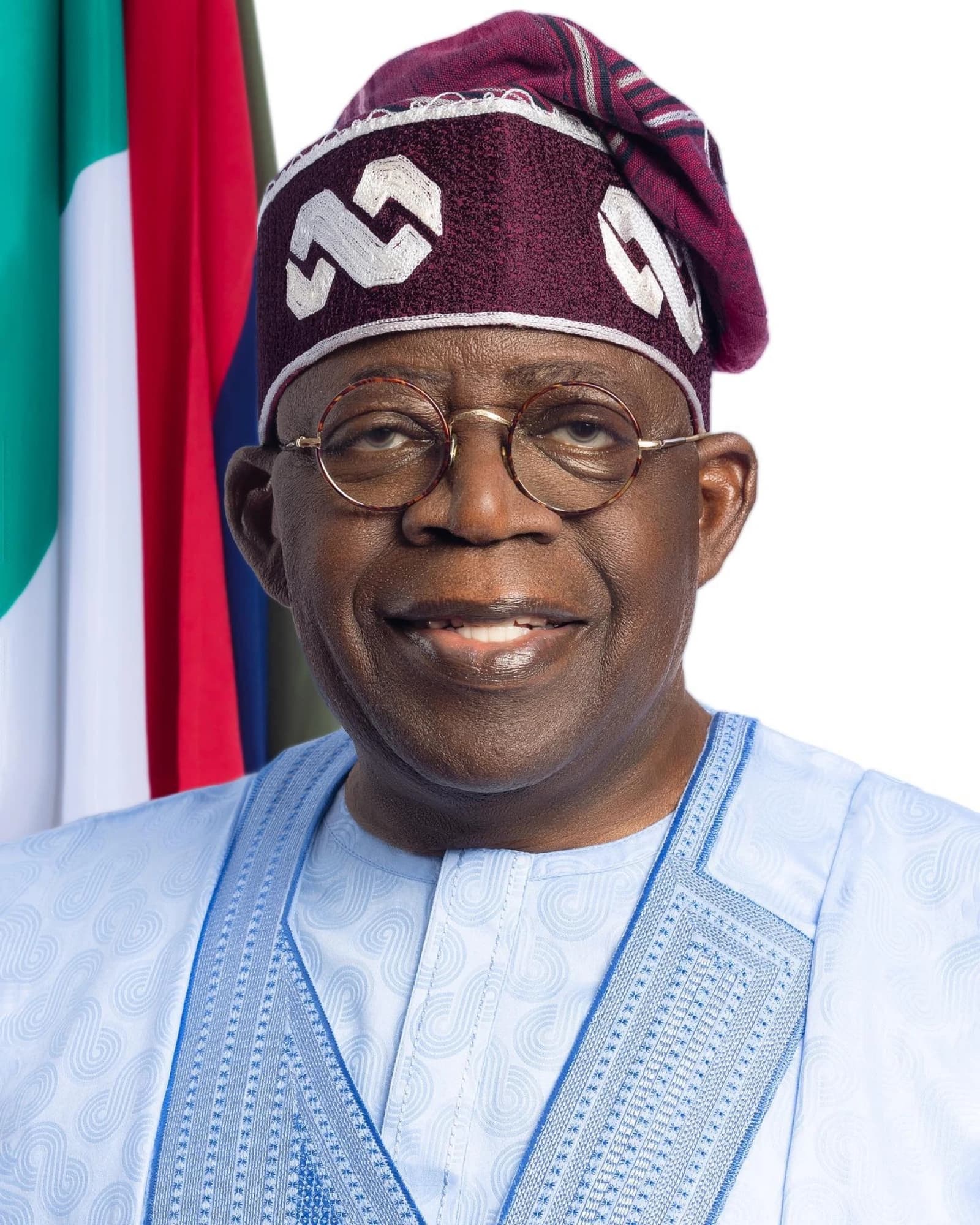
Nigeria’s economy expanded 4.43% in the second quarter of 2026, its fastest pace in five years, giving President Bola Tinubu fresh political cover as he tries to turn a reform-led rebound into tangible gains for households.
The growth print matters because it suggests Nigeria is moving beyond crisis stabilization and into a more durable recovery phase. After years of currency upheaval, inflation pressure and weak purchasing power, a stronger GDP number offers evidence that policy tightening and reforms are beginning to feed through to activity across the economy. Tinubu’s challenge now is not just to keep growth positive, but to make it broad enough that consumers, small businesses and wage earners actually feel it.

That is the real investment issue. Growth that is not matched by productivity gains, income expansion and lower living costs can fade quickly. Nigeria’s rebound has been driven by activity across 10 key sectors, according to the government, but the market will want to see whether this turns into sustained demand rather than a temporary statistical bounce. The 4.43% expansion, coming after a prolonged period of economic strain, tells investors that the reform story is still alive — and that the downside case of a stalled recovery is less compelling than it was a year ago.
For investors, the implications are asymmetric. A stabilizing Nigeria can attract capital back into domestic banks, consumer names, telecoms and infrastructure plays that benefit when confidence improves and transaction volumes rise. The exchange-traded fund EWN, which tracks Nigerian equities, has been holding above its 50-day and 200-day moving averages, a sign that the market is still trying to price in better growth conditions even after recent volatility. If macro stability persists, the next leg higher could come from a rerating rather than from earnings alone.

But the market is not being asked to ignore the risks. Nigeria still needs stronger productivity, cleaner policy transmission and a way to convert headline GDP into real household purchasing power. Tinubu’s administration can claim a turning point, but the durability of this recovery will depend on whether reforms keep lowering distortions instead of merely lifting output. If they do, Nigeria becomes one of the more interesting macro turnarounds in emerging markets; if they do not, this latest growth surge will prove easier to celebrate than to sustain.
| Entity | Gains | Losses |
|---|---|---|
| Nigerian government | ▲Reform credibility | ▼Policy critics |
| Households | ▲Job and income hope | ▼Inflation-squeezed budgets |
| Nigerian banks | ▲Lending momentum | ▼Stagnant credit demand |
| EWN / Nigerian equities | ▲Re-rating potential | ▼Bears on Nigeria recovery |