Nigeria naira falls to N1,334 as FX turnover rises

The naira weakened to N1,334 per dollar in Nigeria’s interbank market even as trading activity surged, underscoring that higher dollar turnover is not yet translating into lasting support for the currency.
That is the key message for investors: Nigeria has more FX liquidity than it did a day earlier, but demand for dollars is still strong enough to push the naira lower. The currency slipped 0.84% from N1,322.90 on Tuesday, while interbank turnover climbed 69.82% to $94.43 million from $55.60 million. In a market that still depends heavily on steady dollar supply, the move shows how fragile the recent recovery remains.

The weaker close matters because it exposes the limits of short-term FX improvements. Nigeria’s reserves have crossed $54 billion, a reassuring headline on paper, but the market is still digesting $50.93 billion in foreign-exchange utilisation this year. That means liquidity is flowing, yet the pressure of import demand, hedging flows and corporate dollar needs remains intense enough to absorb it. The naira also traded between N1,321.50 and N1,334 during the session, a range that suggests the market is still searching for an equilibrium rather than locking in a new stronger level.
For investors, this is less about one day’s move and more about what it says regarding Nigeria’s macro setup. A rising turnover number usually hints at a healthier market, but if the currency still closes weaker, the implication is that structural dollar demand is outrunning supply. That has consequences for inflation, imported pricing power, corporate margins and the valuation of any local asset tied to currency stability. It also matters for foreign investors weighing entry into Nigerian bonds, banks and consumer names, because exchange-rate confidence is often the first condition for capital to stay.
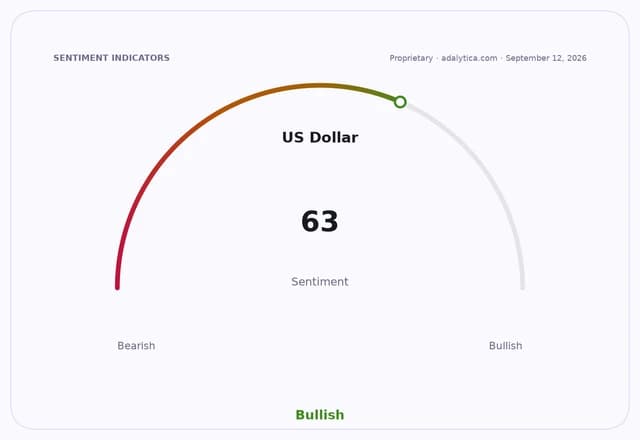
From a trading perspective, the naira remains stronger than its August 24 close of N1,349.99, so the broader trend has not broken down. But the latest session shows the rally is not linear, and the market is still vulnerable to reversals whenever dollar demand rises faster than inflows. The real catalyst now is whether sustained reserve strength and deeper interbank activity can convert into consistent naira appreciation — or whether this remains a liquidity-rich but still dollar-hungry market.
Our view is that the opportunity sits in the second-order beneficiaries of a more functional FX market: banks with stronger treasury flows, exporters earning hard currency, and listed businesses with natural dollar hedges. Until the market proves that higher turnover can defend the naira, investors should treat local-currency exposure with caution and favor names that can earn, hold or convert dollars.
| Entity | Gains | Losses |
|---|---|---|
| Banks | ▲Higher FX turnover | ▼Pricing pressure on liquidity |
| Exporters | ▲Dollar earnings | ▼None |
| Importers | ▲Better market depth | ▼Weaker naira costs |
| Naira bulls | ▲Stronger reserves backdrop | ▼Currency retracement |