Nigeria Oil Output Stayed Near OPEC Quota in July
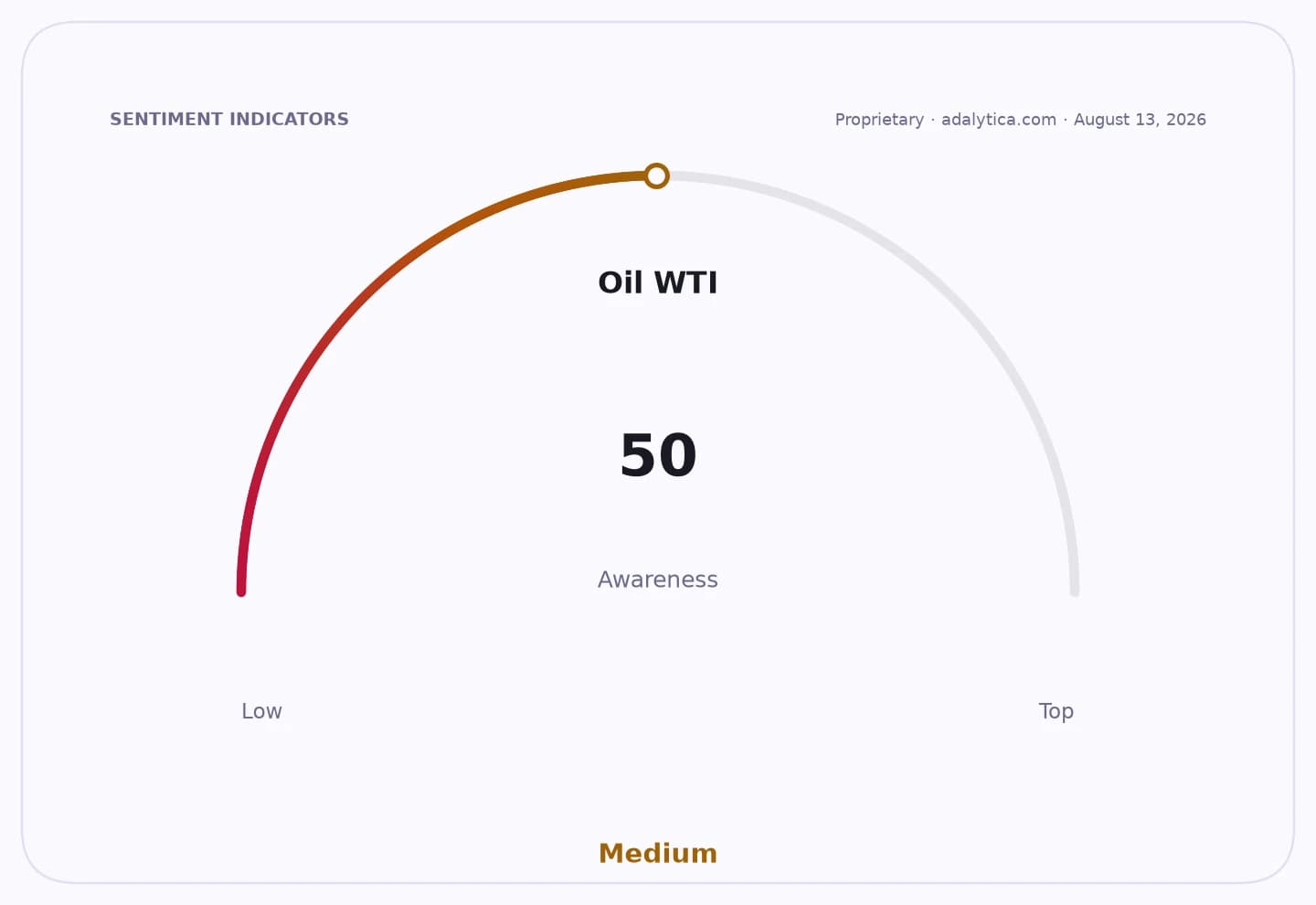
Nigeria stayed just inside its OPEC production target in July even as crude output fell 4% and deepwater volumes weakened, underscoring how little room Africa’s biggest oil producer has to lose barrels without slipping back into breach of the cartel’s quota.
The country pumped 1.546 million barrels a day last month, according to OPEC and the Nigerian Upstream Petroleum Regulatory Commission, about 5,000 barrels a day above its quota. That is a narrow margin for an economy that still depends heavily on oil revenue and has struggled for years with theft, sabotage and underinvestment that keep supply volatile.
For investors, the detail that matters is not the tiny overrun but the fragility behind it. Nigeria’s output still moves around enough to make guidance unreliable for producers, service firms and export buyers, and the deepwater decline points to a sector that has yet to convert incentives into durable growth.
The backdrop remains structural. Nigeria has lost more than $5.6 billion to oil theft and pipeline sabotage, a drag that continues to hit fiscal receipts and deter capital spending. Authorities have tried to lure new investment into offshore fields, but security problems and infrastructure failures keep limiting the pace of recovery.
The quota compliance may help Nigeria avoid further friction with OPEC, but it does little to change the investment case until production becomes steadier and losses from theft are contained. The next test is whether deepwater output can stabilize enough to support higher, more predictable volumes in coming months.
| Entity | Gains | Losses |
|---|---|---|
| Nigeria government | ▲OPEC compliance relief | ▼More oil revenue upside |
| OPEC | ▲Quota discipline | ▼Less tolerance for slippage |
| Oil buyers | ▲Stable near-term supply | ▼No meaningful output boost |
| Investors in Nigerian oil | ▲Policy support for offshore projects | ▼Theft, sabotage and volume volatility |