Nijmegen house prices rise but growth slows
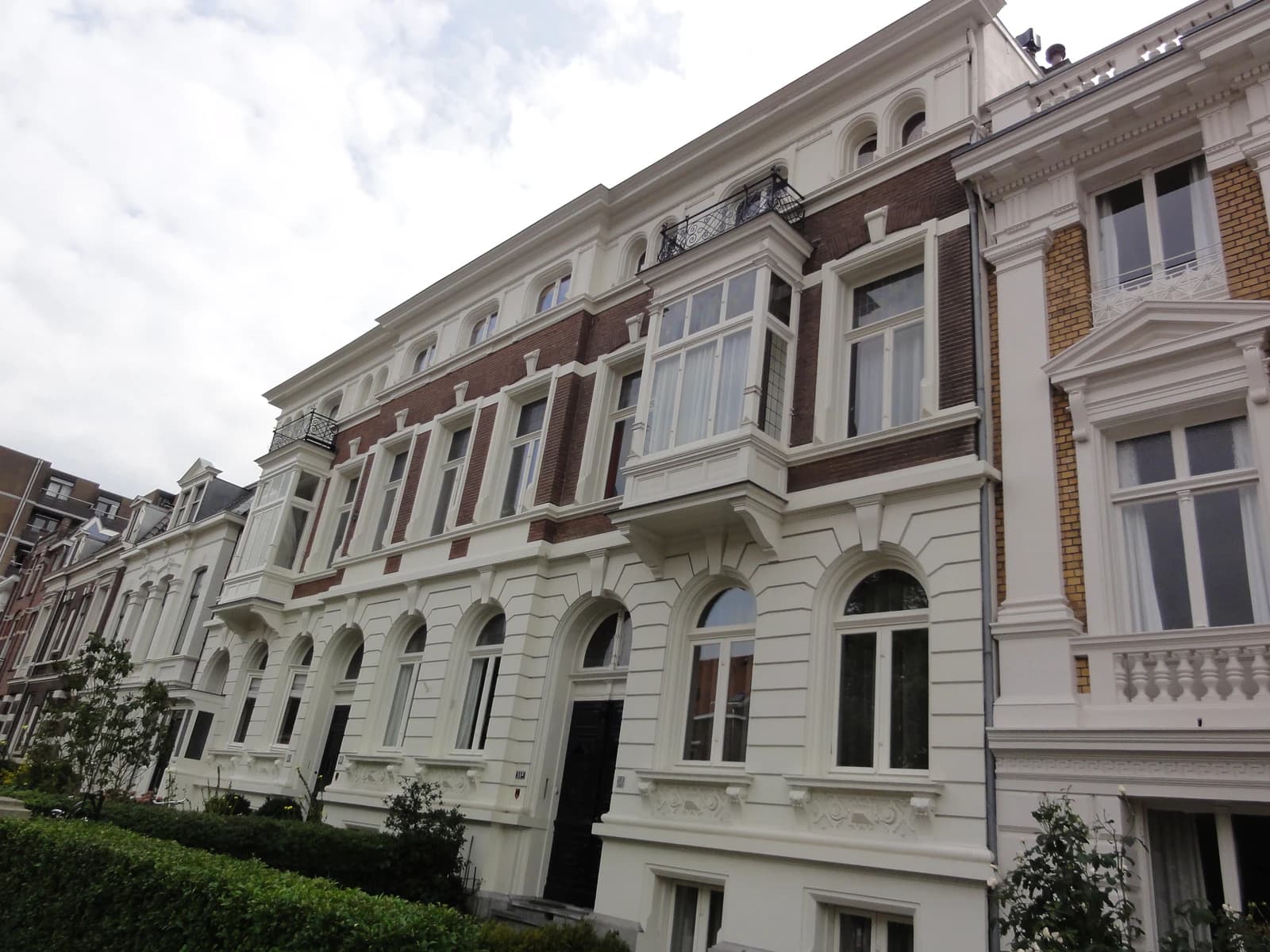
House prices in the Nijmegen region are still climbing, but the pace has slowed to the weakest since 2023, pointing to a housing market that remains short of supply but is losing some of the fever that drove prices sharply higher over the past two years.
The latest reading matters because Dutch home values are still near record levels, yet the rate of increase is easing even as financing conditions remain restrictive. The benchmark Dutch house price index stood at 335.104 in May, up 0.64% from the prior month and about 2.57% higher than a year earlier, according to the data. A forecast for June points to another modest gain of 0.61% to 337.1537, suggesting the market is settling into a slower, more sustainable rhythm rather than reversing outright.
For buyers in and around Nijmegen, that means affordability pressure is no longer intensifying as quickly as it was, but relief is limited. For sellers, prices are still moving in the right direction, just not at the pace that supported aggressive expectations during the post-pandemic surge. The slowdown also fits a wider pattern across housing markets where demand is being restrained by high borrowing costs and tighter financial conditions.
That macro backdrop remains important for investors because Dutch housing is highly sensitive to mortgage rates and bond yields. The 10-year U.S. Treasury yield, included in the dataset as a broader rate benchmark, has been holding around 4.7%, underscoring how elevated long-term rates can keep financing conditions tight globally. In the Netherlands, where mortgage pricing tends to track market rates closely, even small shifts in rates can quickly affect transaction volumes and pricing power.
The local trend is also consistent with a market that still lacks enough homes, especially in desirable urban and commuter areas such as Nijmegen, but where buyers are becoming more selective. Smaller homes and apartments have generally been more resilient in constrained markets because they are the most affordable entry point, while larger properties have less pricing momentum when mortgage costs are high.
For listed housing-related companies, slower price growth can have mixed implications. It may support volumes if buyers feel less urgency, but it can also cap turnover and transaction-related revenue if households delay purchases in hopes of better affordability or lower rates. For homeowners, the key takeaway is that equity values remain supported, but the easy gains from a red-hot market appear to be fading.
The next catalyst will be whether easing inflation and any decline in borrowing costs feed through into mortgage demand later this year. If rates stay elevated, Nijmegen’s housing market is more likely to keep grinding higher at a subdued pace than to reaccelerate. If rates fall, pent-up demand could return quickly to a market that still has too little supply.
| Entity | Gains | Losses |
|---|---|---|
| Existing homeowners | ▲Still- rising values | ▼Faster equity gains |
| First-time buyers | ▲Slightly slower price growth | ▼Affordability relief remains limited |
| Sellers | ▲Supportive pricing | ▼Peak-market momentum |
| Mortgage lenders | ▲Potentially steadier demand | ▼Less transaction frenzy |