Nikkei 225 Falls as Yen Strengthens and Oil Rises
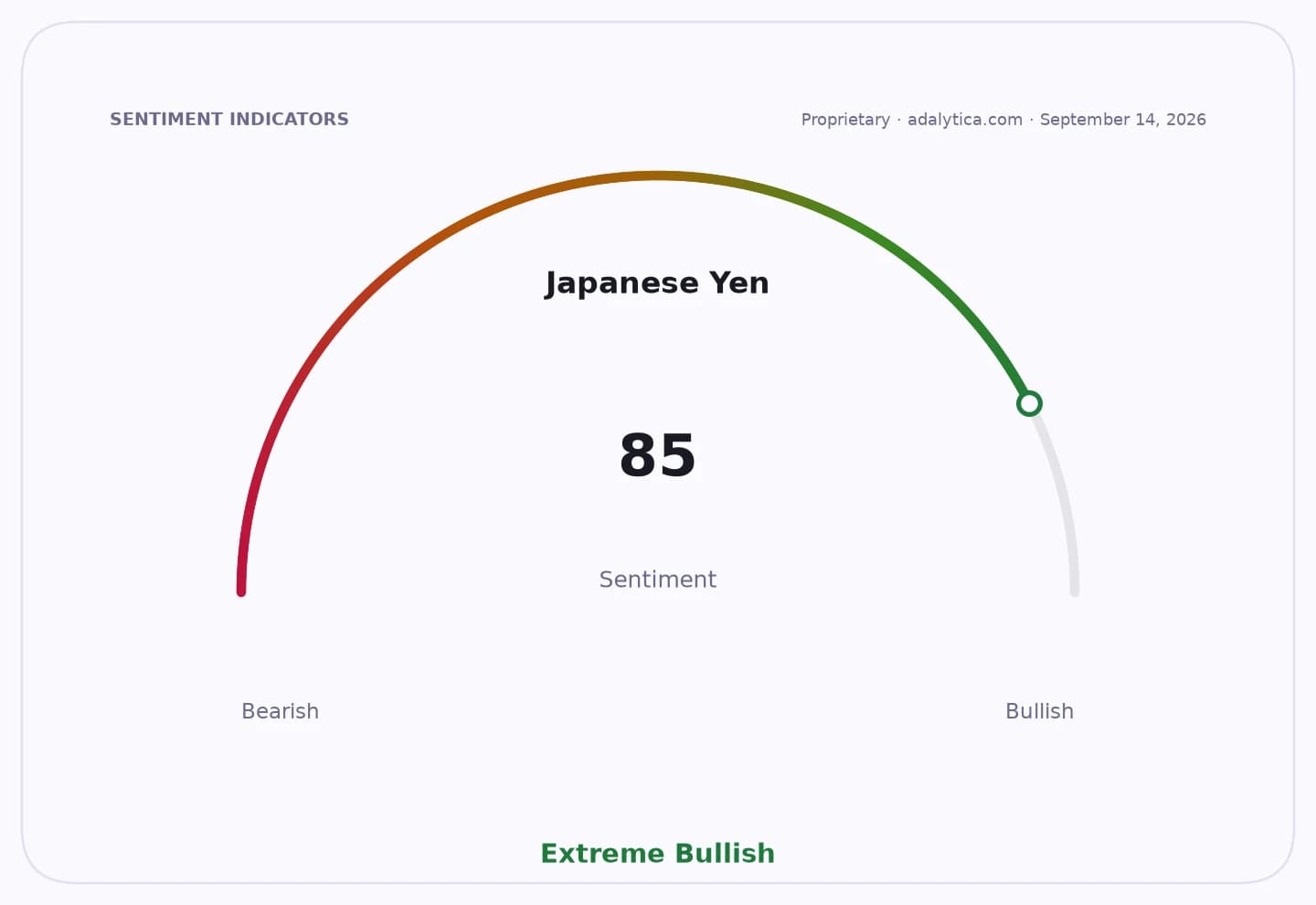
The Nikkei 225 slid 1,259.61 yen, or 1.93%, to 64,011.34 on Friday, after at one point dropping more than 2,000 yen as a faster-than-expected move into the yen and a jump in crude prices rattled investors’ faith in Japan’s high-flying equity market.
That matters because the selloff was not just a routine pullback after a record run. It exposed the market’s dependence on two supports that have powered this year’s surge: a weak yen that boosts exporters and a global AI trade that has carried semiconductor and technology stocks to extreme valuations. When both are challenged at once, the index becomes vulnerable to sharp de-risking.
The immediate trigger was a strengthening yen, which briefly touched around 153 per dollar, its firmest level in seven months, as traders bet the Bank of Japan may move faster on rate hikes while the Federal Reserve looks closer to easing. A stronger currency cuts the overseas earnings translated back into yen for Japan’s exporters, and that hits a market where globally exposed manufacturers still matter far more than in the U.S.
At the same time, oil’s advance and higher long-term yields fed fears that corporate margins could come under pressure just as investors were already uneasy about whether the AI boom has outrun fundamentals. The Nikkei’s decline was broad, with selling centered on AI and semiconductor names that have done much of the heavy lifting in recent months. TOPIX also fell, losing 0.65% to 4,028.30, underscoring that this was not confined to a handful of speculative names.
The market’s reaction is important for investors because it suggests Japan’s rally is increasingly a macro trade, not just a stock-picking story. The Nikkei had been riding momentum from record highs above 68,000 and a wave of foreign inflows into AI-linked shares. But when yen strength and higher input costs collide, the payoff profile changes quickly: exporters lose translation benefits, margin-sensitive companies face cost pressure, and crowded growth trades can unwind fast.
That leaves Japan at an inflection point. If the BOJ tightens while the yen continues to appreciate, the market may have to rotate away from the few names that dominated the rally and toward domestic sectors with pricing power and balance-sheet strength. If global risk appetite stabilizes, the dip could prove a buying opportunity in quality Japan exposure. But for now, the message is clear: the market underestimates how much of the Nikkei’s ascent depended on cheap money, a weak currency and unbroken enthusiasm for AI.
For investors, the actionable takeaway is to favor hedged Japan exposure and the beneficiaries of domestic reflation over unprotected exporters and stretched momentum names. The next catalyst is the BOJ decision, and it could decide whether this is a temporary shakeout or the start of a much deeper repricing.
| Entity | Gains | Losses |
|---|---|---|
| Yen bulls | ▲Stronger currency trend | ▼Exporters’ overseas earnings |
| BOJ hawks | ▲More room for tightening | ▼Equity valuations |
| Domestic pricing-power stocks | ▲Relative resilience | ▼Margin-squeezed manufacturers |
| AI/semiconductor momentum trades | ▲None | ▼Crowded Nikkei winners |