Nikkei Rises on Nvidia Earnings, Yields Cap Gains

The Nikkei rose at the open on Thursday as investors rushed into chip shares after Nvidia’s strong results, but the move underscored a broader market split: enthusiasm for artificial intelligence demand is still powerful, yet rising U.S. bond yields and geopolitical risk are keeping a lid on Japan’s equity rally.
For Tokyo, Nvidia’s numbers matter well beyond one U.S. stock. The company has become the clearest barometer for AI capital spending, and when it beats expectations, it tends to lift semiconductor suppliers across Asia, including names linked to advanced chips, equipment and packaging. That is why the Nikkei’s early advance buying was concentrated in AI-related stocks rather than the market at large.
The reaction also shows how much of Japan’s recent equity performance depends on global technology momentum. The Nikkei has been trading in a narrow, sentiment-driven range, with the index’s 50-day moving average still above current levels and momentum indicators showing the market has not broken into a sustained trend. That leaves it vulnerable to reversals whenever macro stress rises.
Those stress points were visible in the broader backdrop. U.S. yields have been climbing, which makes investors more cautious on richly valued growth stocks and reduces the appeal of equities generally. At the same time, renewed Middle East tensions have kept risk appetite fragile, limiting the follow-through from Nvidia’s earnings beat. In that sense, the Nikkei’s early strength looked more like a sector rotation trade than the start of a broad-based risk-on move.
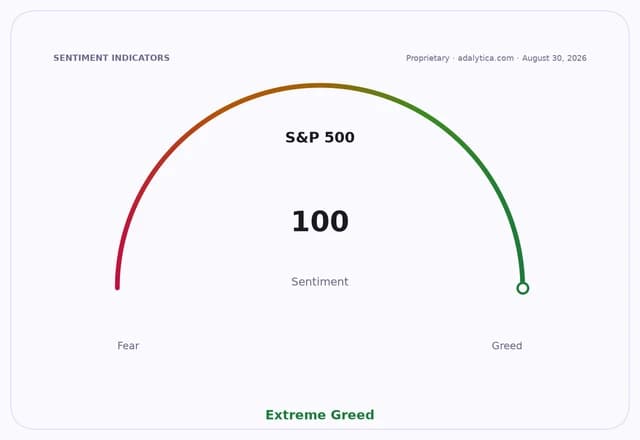
For investors, the key question is whether Nvidia’s results translate into another leg higher for the AI supply chain or merely another short-lived bounce. The bull case is straightforward: strong demand from the world’s dominant AI chipmaker supports spending across the semiconductor ecosystem, and Japanese exporters tied to that cycle could benefit if global tech shares regain leadership. The bear case is that valuations already discount a lot of that growth, while higher rates and political shocks can quickly overwhelm earnings optimism.
The near-term outlook for the Nikkei will likely hinge on two variables: whether U.S. yields stabilize and whether Nvidia’s strength is confirmed by follow-through in other chip names. Until then, the market is likely to keep oscillating between AI-led buying and macro-driven caution.
| Entity | Gains | Losses |
|---|---|---|
| Nvidia and AI chip suppliers | ▲Stronger earnings-driven buying | ▼Valuation reset if yields rise |
| Nikkei exporters and semiconductor names | ▲Early momentum from AI demand | ▼Pressure from risk-off reversals |
| U.S. bond markets | ▲Higher yields and tighter conditions | ▼Equity multiple expansion |
| Equity bulls | ▲Support from AI capex cycle | ▼Geopolitical and rate volatility |