Nikkei Falls on Oil Spike and Middle East Risk
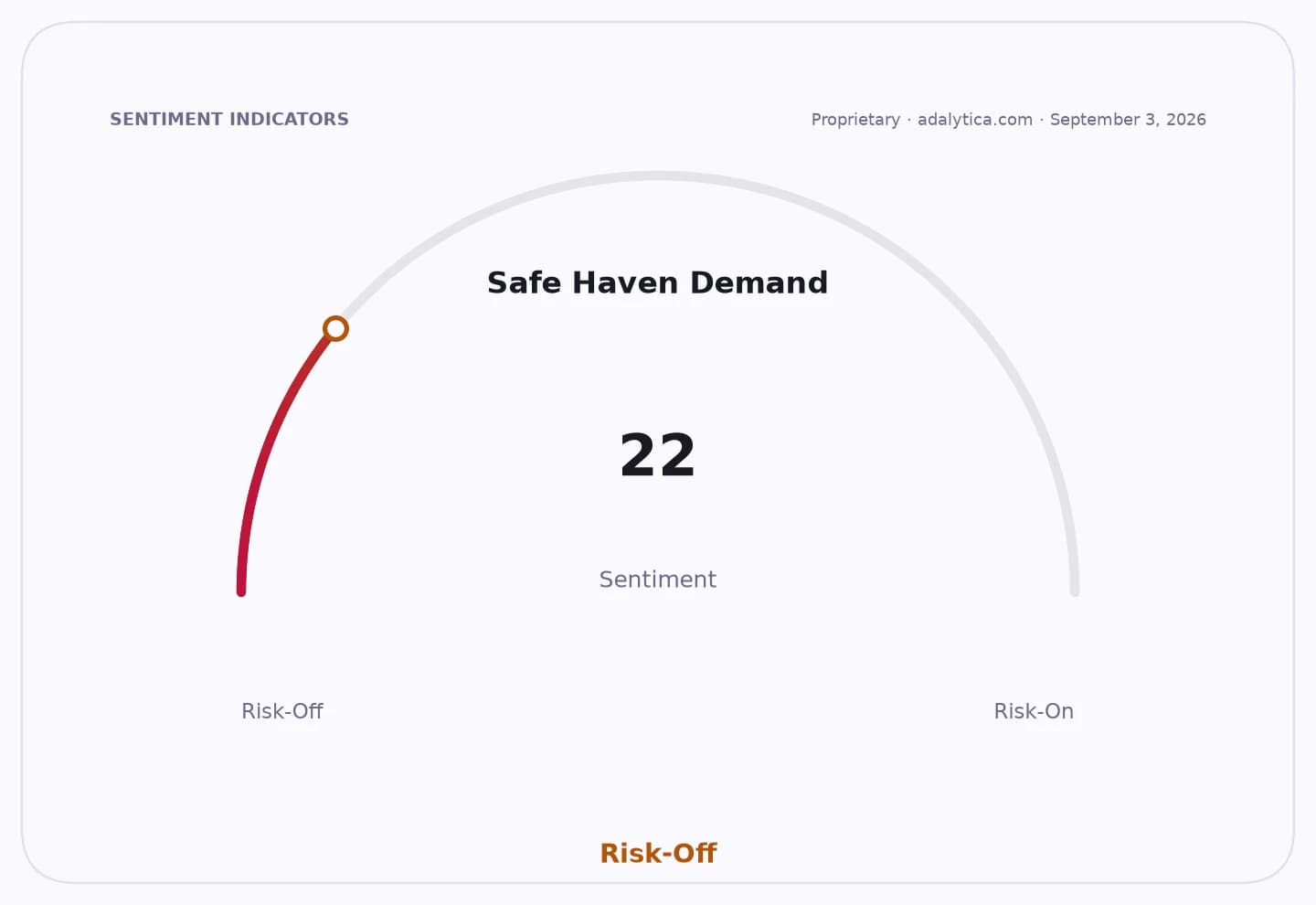
Tokyo shares fell sharply at the start of the week as a fresh jump in oil prices and renewed Middle East conflict pushed investors toward safety and away from riskier assets.
The Nikkei 225 dropped 1.09% to 65,680.83, a loss of 724 points, as traders reacted to fears that U.S. strikes on Iran could widen the conflict and keep energy prices elevated. That matters well beyond a single trading session: for Japan, which relies heavily on imported fuel, more expensive oil raises the cost of power, transport and raw materials, squeezing corporate margins and household purchasing power at the same time.
The move also underscores how vulnerable Japanese equities remain to imported inflation. When crude climbs, the impact tends to show up quickly in Japan because a weaker yen makes those energy imports even more expensive in local currency terms. The dollar was trading a little above 160 yen, leaving the currency fragile despite recent intervention efforts by Tokyo and Washington. That combination is toxic for domestic sentiment because it can lift inflation without delivering enough wage growth to offset the hit.
Investors are also watching the sector damage. Energy-intensive industries, transport groups and parts of manufacturing usually take the first blow when oil spikes, while banks and some exporters can offer relative shelter. In this case, the market’s reaction suggests the oil shock and geopolitical stress are overshadowing any support from a weak yen’s boost to exporters.
Technical indicators show the Nikkei has already lost some momentum. The index slipped below its recent peak and was trading under its 50-day moving average, while the relative strength index has moved back into weaker territory. That does not tell you where the market goes next, but it does confirm that buyers are becoming more cautious after a strong run earlier in the year.
The broader story for investors is simple: when geopolitics lifts oil, Japan often feels the pain faster than many other developed markets. If crude stays near current levels, the pressure on margins, inflation and monetary policy expectations could linger. Long-term investors do not need to trade every headline, but this is a useful reminder that energy shocks still matter — especially for an import-dependent economy like Japan’s.
For patient investors, the key is to separate noise from lasting damage. A one-day slide in the Nikkei is not a thesis changer on its own, but persistent oil strength and a weaker yen would be worth watching closely, especially for companies with heavy fuel exposure.
| Entity | Gains | Losses |
|---|---|---|
| Oil producers | ▲Higher crude prices | ▼Geopolitical escalation risk |
| Japanese exporters | ▲Weaker yen support | ▼Higher imported costs |
| Transport and manufacturers | ▲— | ▼Squeezed margins from fuel costs |
| Safe-haven assets | ▲More demand in risk-off trades | ▼Risk assets, including equities |