Nikkei Inc. overbilled advertisers on circulation data
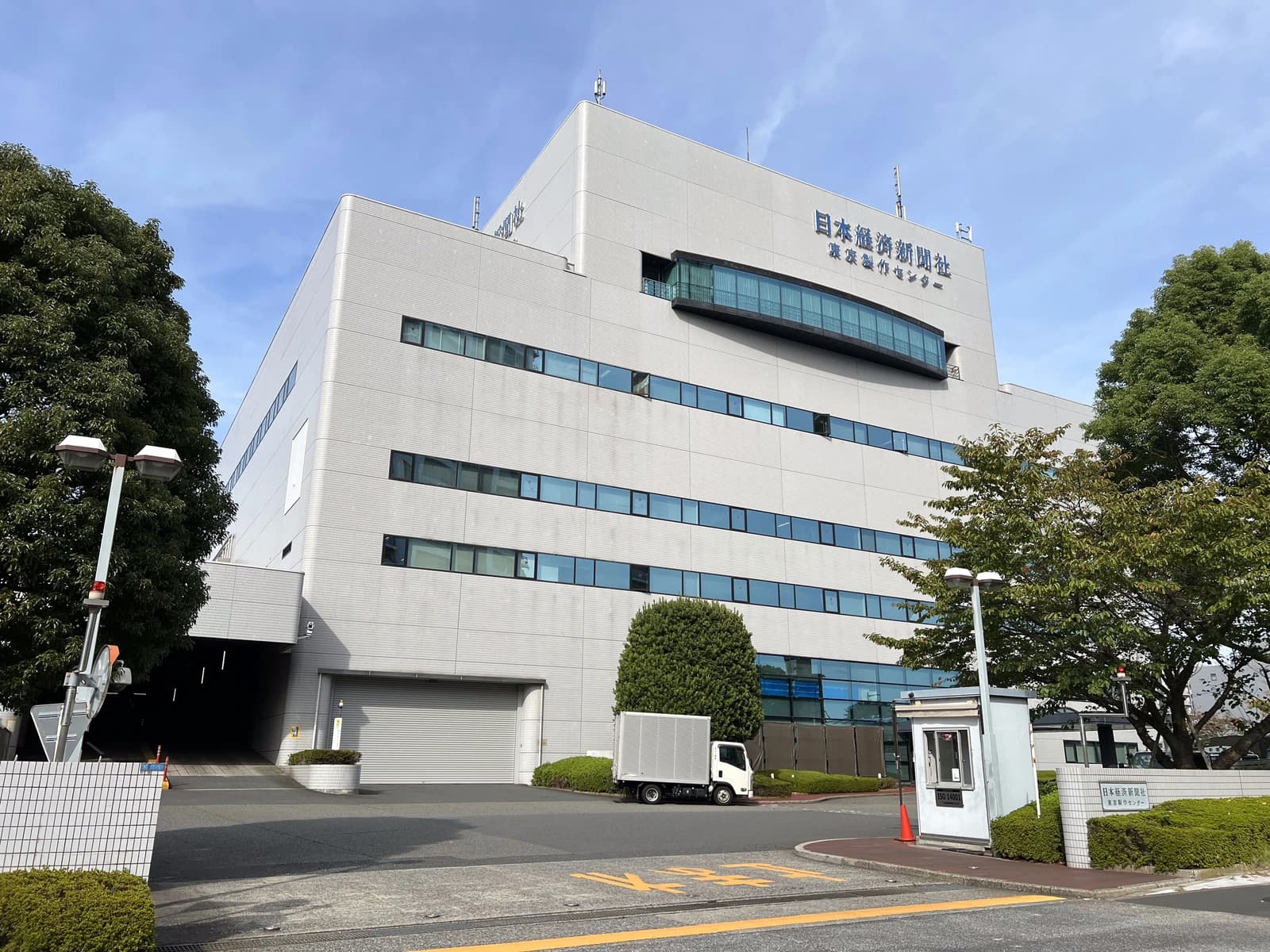
Nikkei Inc. said it overbilled advertisers by inflating circulation figures for its THE NIKKEI MAGAZINE and unlawfully collected tens of millions of yen from two clients, a blow to trust at Japan’s most influential financial newspaper and a reminder that reputational damage can quickly become a commercial risk.
The company said it overstated the number of copies used to calculate ad rates by roughly 15,000 to 250,000 per issue in 29 magazine editions distributed mainly in the Tokyo and Kansai regions between 2022 and 2026, resulting in each advertiser paying several tens of millions of yen more than they should have. Nikkei said it is still investigating whether similar cases occurred elsewhere, and has acknowledged the incident as a serious breach of stakeholder confidence.
The case matters beyond the immediate refund and legal exposure. Nikkei Shimbun is not just another media group; it is a core supplier of business information to Japan’s corporate and financial ecosystem, where credibility underpins readership, advertising pricing and institutional influence. Any evidence that circulation data were manipulated strikes at the basic metrics advertisers use to value reach, potentially forcing tighter verification across print and magazine advertising in a market already under pressure from the shift to digital.
For investors, the issue is twofold. First, the scandal raises the prospect of compensation claims, regulatory scrutiny and added compliance costs at a business with a high dependence on trust-based revenue. Second, it highlights the fragility of print advertising economics, where weaker demand can tempt publishers to defend pricing through less transparent practices. That may be especially damaging for a group whose brand rests on reliability and whose wider media assets depend on maintaining premium relationships with corporate advertisers.
The timing is awkward for Japan’s broader market narrative. Domestic investors are already weighing higher Japanese yields, pressure from energy prices and the impact of global risk aversion on cyclicals and technology shares. A governance lapse at a flagship media institution reinforces the premium investors place on disclosure quality and internal controls across Japan Inc., even in sectors that are not normally treated as direct market movers.
Nikkei said it will work to restore trust, but the larger test will be whether it can prove the misconduct was contained and whether advertisers accept that the problem is exceptional rather than systemic. If further cases emerge, the scandal could become a broader examination of auditing standards in media advertising and another reminder that in businesses built on information, credibility is the asset most expensive to lose.
| Entity | Gains | Losses |
|---|---|---|
| Advertisers | ▲Potential refunds | ▼Inflated ad bills |
| Nikkei Inc. | ▲None if trust restored | ▼Revenue, credibility |
| Competing media outlets | ▲Relative trust advantage | ▼None |
| Investors in media stocks | ▲Better governance discipline | ▼Higher compliance risk |