Nintendo falls after Switch 2 video fails to boost outlook
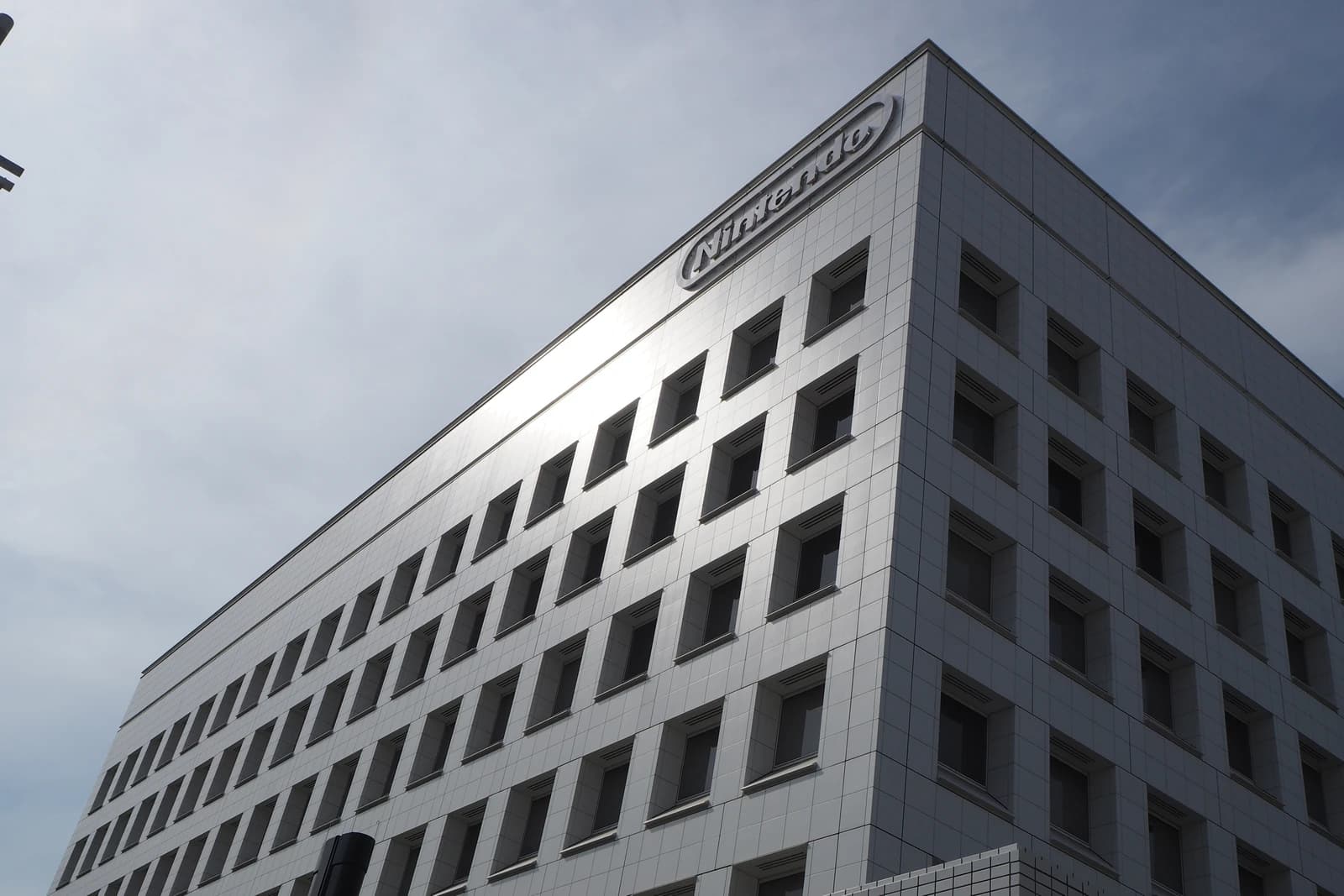
Nintendo shares slid as much as 5.1% after the company’s latest video presentation failed to lift sales expectations, underscoring a market that wants a bigger hardware catalyst from the Switch 2 cycle than nostalgia alone.
The reaction matters because Nintendo is in the middle of a crucial transition: investors are looking for evidence that the Switch 2 can sustain launch momentum, expand the install base and drive a multi-year software upgrade cycle. When a highly anticipated franchise event does not improve the sales outlook, it suggests the market may already be pricing in too much of the near-term upside from legacy brands such as Zelda.
That puts the focus squarely on execution. Nintendo can still monetize its core intellectual property, and the company knows how to turn character equity into hardware pull and recurring software revenue. But this kind of selloff says the bar is rising fast. Fans may show up for special editions, remakes and anniversary tie-ins, yet investors want proof that those releases convert into broader unit sales rather than just short-lived excitement.
The stock’s weakness also reflects a tougher backdrop for Japanese equities tied to consumer electronics and entertainment hardware. The yen’s recent swings can support overseas earnings translation, but they do not change the core issue: Nintendo needs volume, not just buzz. Standard technical indicators on the U.S.-listed shares point to a fragile setup, with the stock trading below its 50-day moving average and a weak RSI reading signaling limited near-term momentum.

The narrative here is simple. Nintendo still has one of the strongest franchises in global gaming, but the market is questioning whether even a powerful Zelda-driven marketing push is enough to justify a higher growth multiple without clearer demand for the new console. That leaves the shares vulnerable until Nintendo delivers evidence that Switch 2 can become a broader platform story, not just a fan-service cycle.
For investors, the tradeoff is clear: the upside remains in Nintendo’s long-lived IP and software leverage, but the near-term risk sits in hardware expectations getting ahead of actual sell-through. Until the company proves the Switch 2 can widen adoption beyond its most loyal buyers, rallies on content announcements may keep fading.
| Entity | Gains | Losses |
|---|---|---|
| Nintendo fans | ▲More Zelda content | ▼Higher hardware price |
| Nintendo software sales | ▲Franchise engagement | ▼Near-term valuation support |
| Rival game publishers | ▲Market share opening if demand softens | ▼Less attention from the showcase |
| NTDOY longs | ▲Long-term IP optionality | ▼Near-term multiple compression |