Nippon Life Plans $13B for U.S. Data Centers
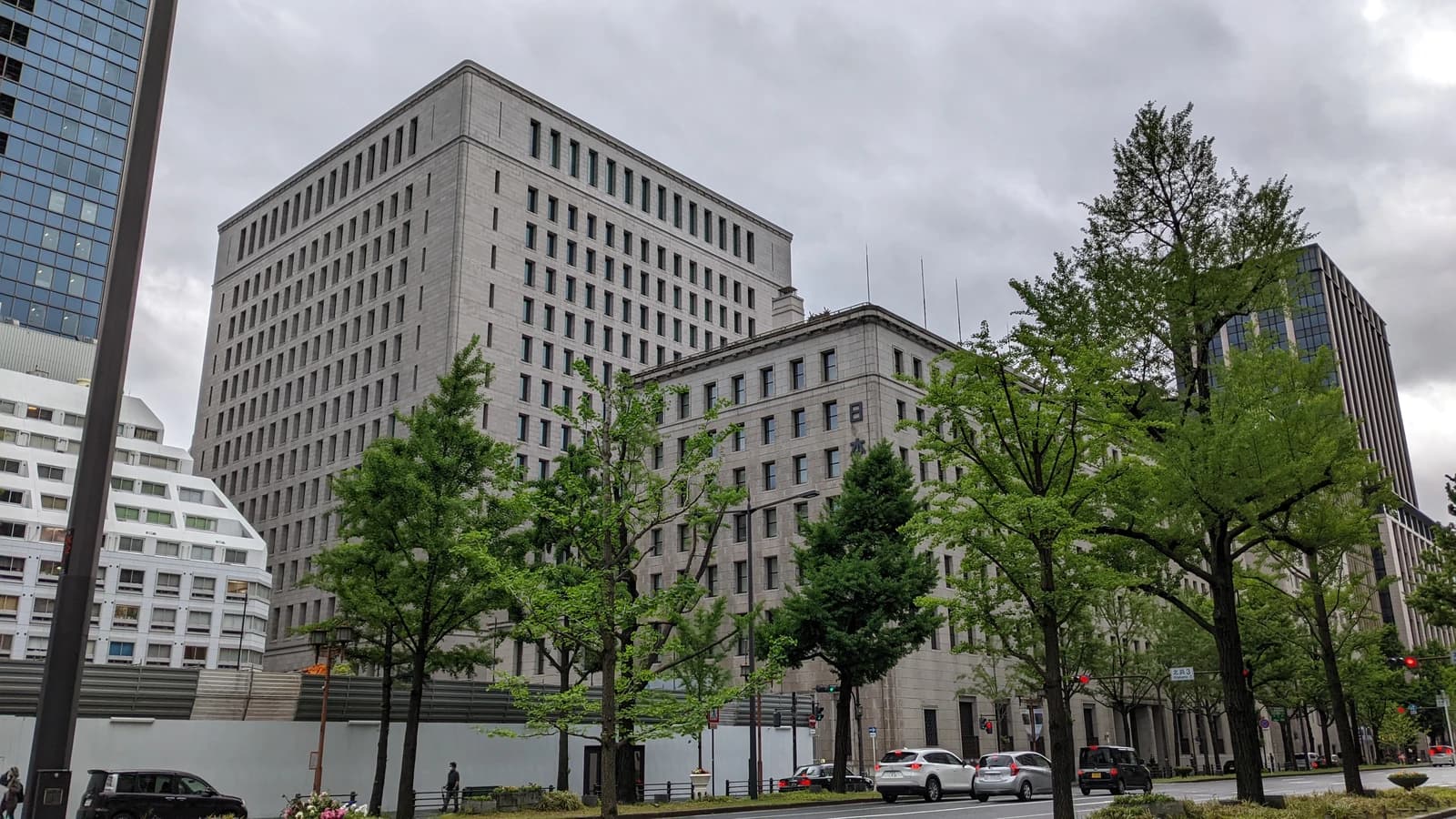
Nippon Life’s plan to allocate $13 billion to finance data centers in the United States underscores how the AI infrastructure boom is pulling Japanese capital deeper into one of the most capital-intensive corners of the American economy.
The move matters because it links one of Japan’s biggest insurers to a financing need that is becoming harder and more expensive to meet. Data centers require large, long-dated pools of capital, and the sector is competing for funds at a time when US borrowing costs remain elevated, with the 10-year Treasury yield around 5% and bank lending rates in many markets at multi-year highs. That makes insurance money, which can match long-duration liabilities with long-duration assets, especially valuable to developers and cloud operators seeking stable funding.
For investors, the announcement is another signal that the AI trade is now extending well beyond semiconductor makers and software names into the balance-sheet businesses that underpin the entire buildout. Data center owners such as Equinix, Digital Realty and American Tower have already benefited from demand tied to cloud and AI workloads, and their shares have reflected that. Equinix closed at $1,056.33 on Sept. 22, well above its 200-day moving average of about $968.65, while Digital Realty finished at $186.14, also above its 200-day average. American Tower, by contrast, has lagged more, trading at $174.22, just under its 200-day average of $175.44, suggesting investors are still discriminating between pure data-center exposure and broader digital infrastructure names.
The broader narrative is that AI is turning data centers into a strategic asset class, not just a real-estate niche. Big technology companies have already committed tens of billions of dollars in future leases and capital spending, and that demand is spilling into the financing market. Google said it had entered into $85.2 billion of future lease payments tied mainly to data centers, while Microsoft and Amazon have flagged persistent power, connectivity and infrastructure constraints in their filings. Nippon Life’s planned allocation suggests traditional lenders and insurers see enough recurring cash flow and tenant quality to justify the risk, even as higher rates pressure returns.
There is still a bear case. The flood of capital could compress yields, while electricity shortages, permitting delays and local pushback could slow project completions and hurt returns. In a higher-rate environment, the economics of new capacity also depend on whether AI demand continues to outpace supply. But for now, the message from one of Japan’s largest insurers is clear: the race to finance AI infrastructure has moved into the mainstream, and US data centers are increasingly being funded as strategic, long-duration assets rather than speculative development projects.
| Entity | Gains | Losses |
|---|---|---|
| Nippon Life | ▲Long-duration income | ▼Higher funding and execution risk |
| US data-center developers | ▲Fresh capital access | ▼Lower yield as capital crowds in |
| Equinix, Digital Realty | ▲Stronger financing demand | ▼Valuation pressure if rates stay high |
| Traditional lenders | ▲Less direct exposure | ▼Lost share to insurer capital |