Nomura Hits 18-Year High on BOJ Rate Hopes

Nomura Holdings is trading at its highest level in 18 years as investors bet that a turning Bank of Japan and stronger returns to shareholders could keep boosting the brokerage and banking group’s earnings power.
The stock’s climb to a near two-decade peak reflects a simple market story: higher Japanese interest rates tend to be good for financial firms, and Nomura has also been leaning into buybacks and capital returns. For long-term investors, that combination matters because it can turn a volatile Wall Street-style trading business into a steadier compounding story if capital is deployed well.
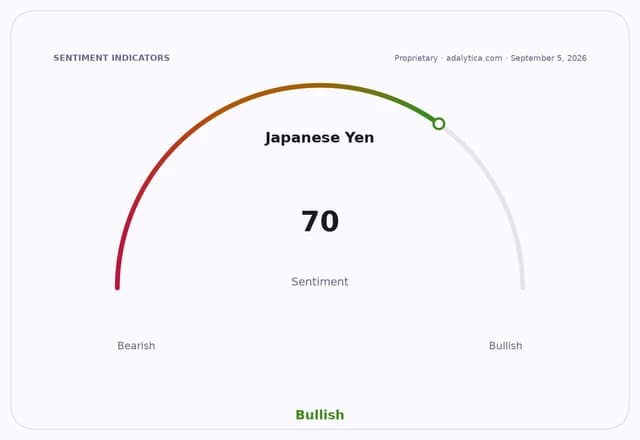
The Bank of Japan has signaled it may consider another rate increase at its Sept. 17-18 meeting, after Governor Kazuo Ueda said policymakers would weigh the move against inflation and the impact of earlier hikes. That has helped push the yen firmer and left investors rethinking the earnings outlook for Japanese financials. Nomura, which recently projected the BOJ could raise rates as many as three times by December if conditions hold, is one of the clearest beneficiaries.
That backdrop also helps explain why the market is willing to pay up for Nomura now. In its latest quarterly results, the company reported annualized return on shareholders’ equity of 15.4%, with net income attributable to shareholders of 145.6 billion yen. Nomura has also been active on buybacks, a sign management is trying to convert its capital base into more visible per-share value. For investors, that is the kind of discipline that can matter more than a one-quarter earnings beat.
The move in Nomura’s stock is part of a broader re-rating of Japanese equities. The Nikkei has remained near record territory, while the yen has moved more than 10% stronger than its recent lows, according to the price data, easing some of the pressure that comes with imported inflation and a weak currency. A stronger yen can be a headwind for exporters, but it often supports domestically oriented financial firms that benefit from improving rate spreads and healthier capital markets activity.
Still, this is not a story for traders chasing a quick pop. The real question is whether Japan is finally moving into a more normal interest-rate regime after years of ultra-loose policy. If that happens, banks, brokers and insurers could enjoy a longer runway of improved profitability, while companies with heavy overseas earnings or margin-sensitive export models may face a more mixed environment.
For investors, Nomura is worth watching as a barometer of that shift. If the BOJ keeps tightening and management keeps returning capital, the stock could have more room to run over the next several years.
| Entity | Gains | Losses |
|---|---|---|
| Nomura | ▲Higher rates, buybacks | ▼Rate-sensitivity risk |
| Japanese banks and brokers | ▲Wider margins, better returns | ▼ |
| Exporters | ▲ | ▼Stronger yen pressure |
| Equity investors | ▲Potential compounding, capital returns | ▼Policy uncertainty |