North Korea Launch Raises South Korea Market Risk
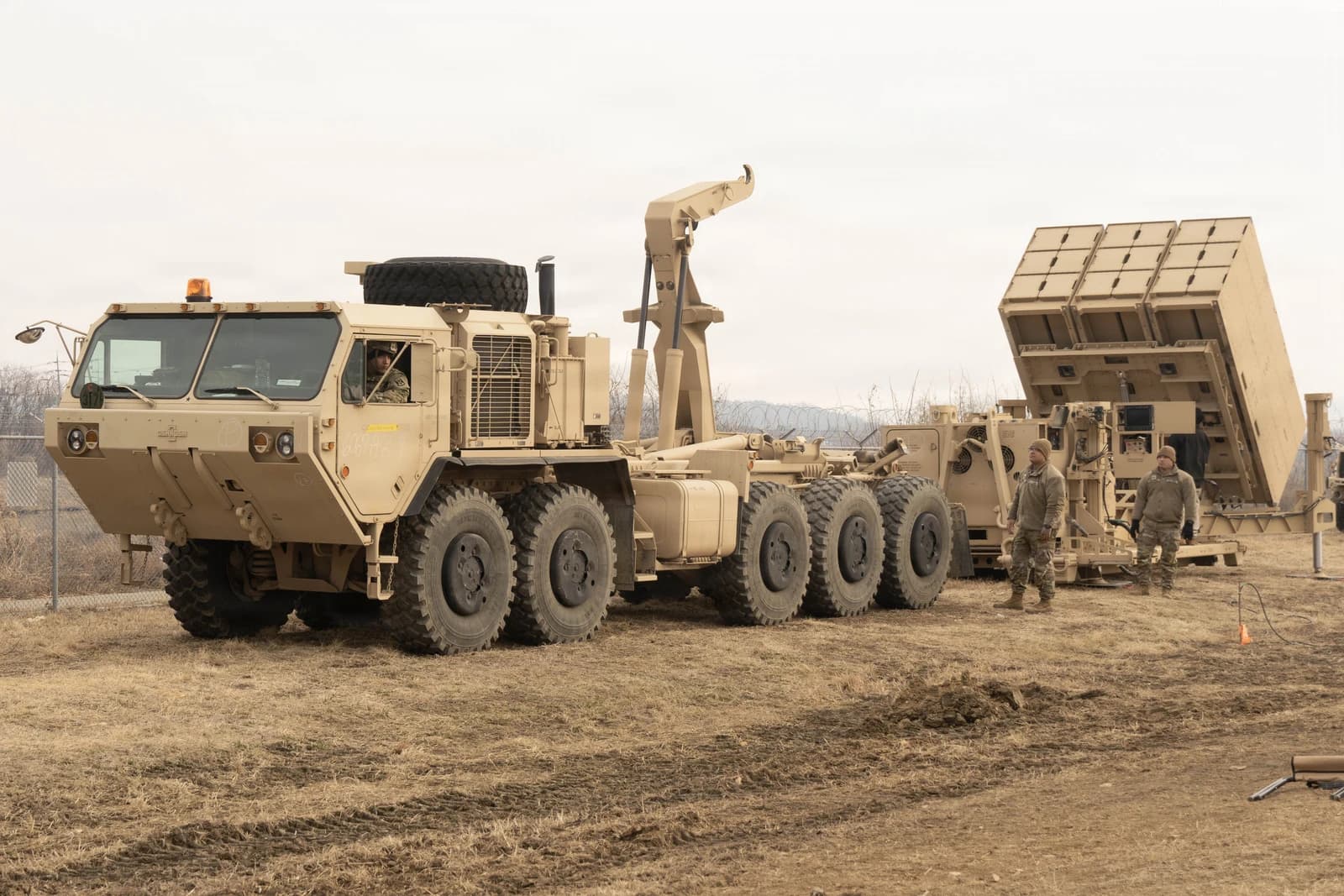
North Korea’s latest launch into the East Sea has renewed pressure on regional security and kept investors focused on the risk that Pyongyang is stepping up weapons activity after a brief pause.
South Korea said the object fired on Sunday afternoon was still being analyzed to determine whether it was a ballistic missile, underscoring how quickly the situation can escalate from an ambiguous launch report into a broader geopolitical event for markets. Japan also condemned the move, adding to the diplomatic fallout and reinforcing the view that North Korea is using periodic tests to signal military readiness and challenge the security architecture built by Seoul, Washington and Tokyo.

The launch came just eight days after North Korea’s previous short-range ballistic missile test on Sept. 12, following the conclusion of the joint Freedom Edge exercises involving South Korea, the United States and Japan. That timing matters because it points to a familiar pattern: Pyongyang tends to respond to allied drills or major security coordination with demonstrative missile activity, which raises the probability of further provocations and keeps defense planners on alert.
For investors, the immediate market effect is usually measured less by the projectile itself than by the probability distribution around future escalation. Higher perceived regional risk can support demand for havens, keep pressure on Korean equities, and lift interest in defense-linked names, while also adding a layer of uncertainty for exporters and supply chains tied to Northeast Asia. South Korea-focused vehicles such as the iShares MSCI South Korea ETF, EWY, and broader emerging-market exposures can remain sensitive to any sign that the incident is part of a sustained cycle rather than an isolated test.
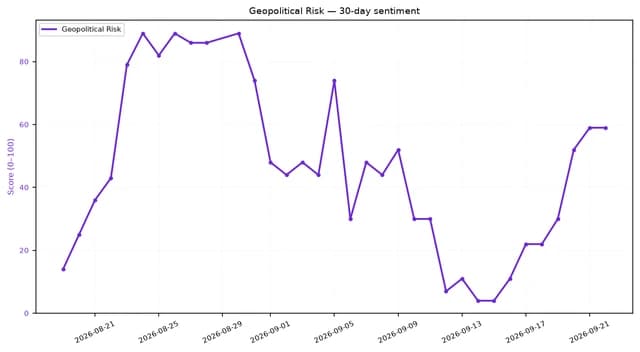
The broader macro backdrop also matters. North Korea’s repeated launches complicate efforts by Seoul and its allies to stabilize the regional outlook at a time when investors are already parsing global geopolitical flashpoints and shifts in US–China relations. Adalytica’s Global Stability Sentiment gauge showed a recent improvement in awareness of geopolitical risk, while its US–China relations measure remained elevated, suggesting markets are still prone to repricing headlines that threaten security or trade across Asia.
For now, the key catalyst is the South Korean military’s classification of the projectile. If it is confirmed as a ballistic missile, the launch would mark another deliberate provocation and strengthen the case for tighter regional defense coordination; if it proves to be a different type of weapon, the episode still underscores how North Korea continues to test response thresholds and keep geopolitical risk embedded in Asian markets.
| Entity | Gains | Losses |
|---|---|---|
| North Korea | ▲Leverage and attention | ▼Diplomatic isolation |
| South Korea and Japan | ▲Security rationale | ▼Market and policy uncertainty |
| Defense contractors | ▲Higher demand expectations | ▼— |
| Korean equities and risk assets | ▲— | ▼Higher geopolitical discount |