North Korea missile launch lifts defense demand case
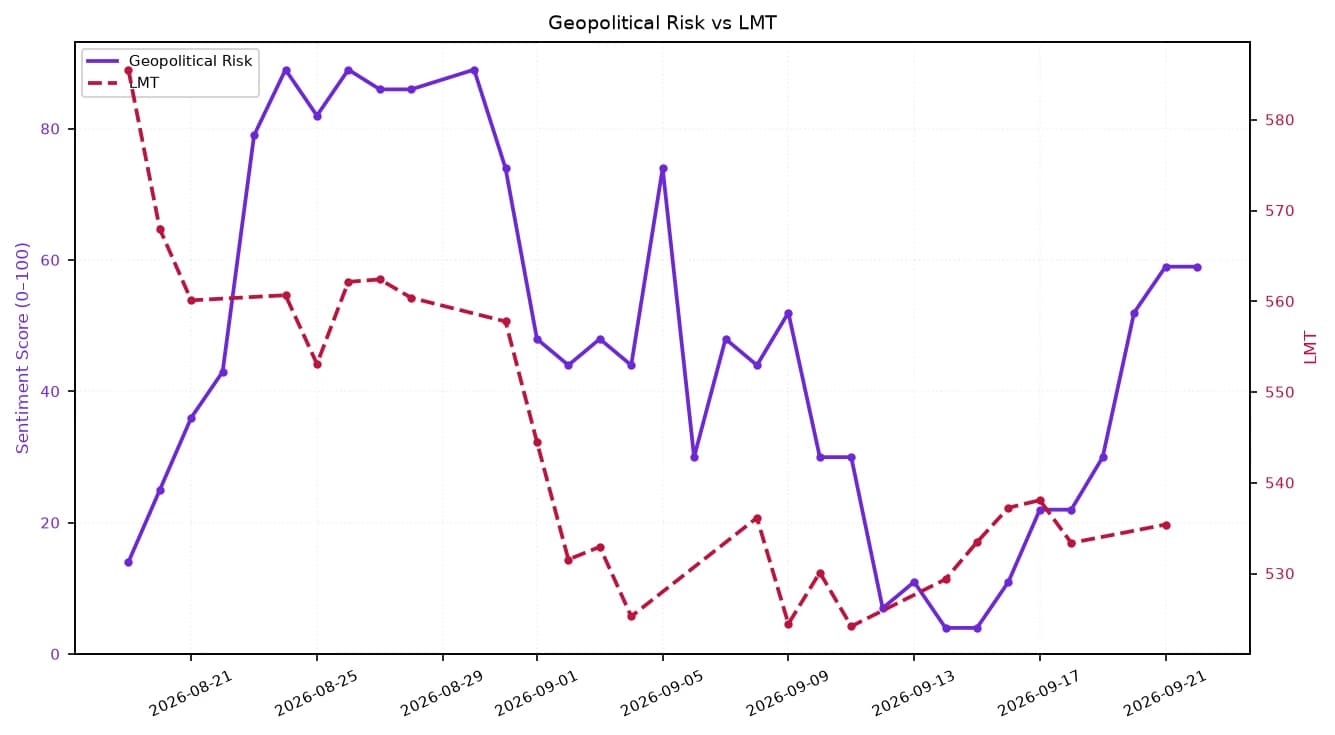
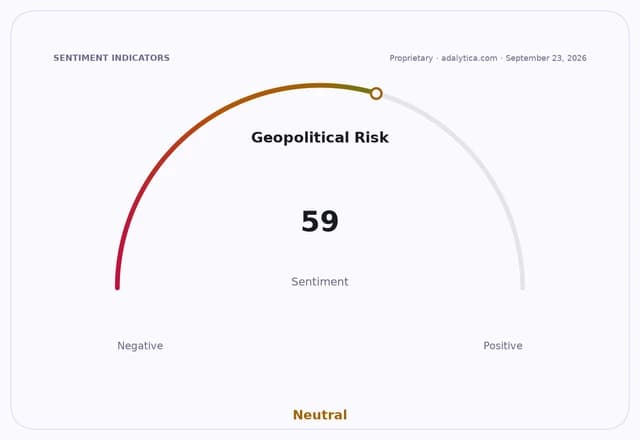
North Korea’s launch of two ballistic missiles into the sea is the latest reminder that geopolitical risk in the Pacific remains a live driver for defense demand, even as markets continue to price in a strong baseline for missile defense and surveillance spending.
South Korea’s military said the short-range missiles were fired after a trilateral exercise with the U.S. and Japan, covering roughly 250 kilometers before landing in the Sea of Japan. The timing matters: Pyongyang has repeatedly used missile tests to answer allied drills, and the latest salvo reinforces the region’s cycle of action and retaliation that keeps military readiness spending from easing.
For defense contractors, the broader investment case is less about one launch than the persistence of the threat environment. Lockheed Martin, RTX and Northrop Grumman have all told investors in recent SEC filings that tensions in the Pacific and elsewhere are supporting demand for their products and services. That backdrop helps explain why shares of the major primes have remained comparatively firm even when tactical indicators suggest some short-term consolidation after strong runs.
Lockheed Martin, which makes missile defense systems and related sensors, has been the most volatile of the group in recent sessions. Its shares closed at $535.40 on Sept. 21, just above the 50-day moving average but still below the 200-day average, after RSI readings recovered from deeply oversold levels earlier this month. The stock had climbed as high as $668.17 in March before slumping sharply, showing how quickly defense names can swing when investors reassess contract timing, margins and budget visibility.
RTX, which also has exposure to missile systems and air defense, finished at $194.34 on Sept. 21, slightly above the 50-day moving average but below the 200-day average after a steep pullback from an August peak of $225.49. Northrop Grumman, meanwhile, closed at $526.66, also below its 200-day average after a sharp decline from a February high near $761.19. The technical picture suggests the sector is digesting gains, even as the fundamental case remains underpinned by elevated threat perceptions.
The economic significance is straightforward: repeated North Korean launches add pressure on Washington, Seoul and Tokyo to sustain procurement of interceptors, radar, command systems and layered air defense. That can support backlog, pricing power and program funding for the prime contractors, though the payoff often comes with long lags and political risk. A single missile test rarely changes earnings estimates, but a steady drumbeat of provocations strengthens the argument for higher allied defense budgets.
Investors will watch whether the latest launch triggers another round of rhetoric, sanctions or joint military drills, and whether that changes procurement priorities in the U.S., Japan and South Korea. The bull case for the defense group is that persistent instability keeps orders flowing and valuations anchored by durable cash generation. The bear case is that much of that security premium is already reflected in share prices, while execution risk, cost inflation and budget delays can still interrupt the trade.
| Entity | Gains | Losses |
|---|---|---|
| Lockheed Martin | ▲Missile-defense demand | ▼Near-term multiple expansion |
| RTX | ▲Air-defense backlog | ▼Technical momentum |
| Northrop Grumman | ▲Sustained security spending | ▼Fading oversold bounce |
| North Korea | ▲Deterrence signaling | ▼Sanctions pressure |