North Korea and Russia deepen wartime partnership
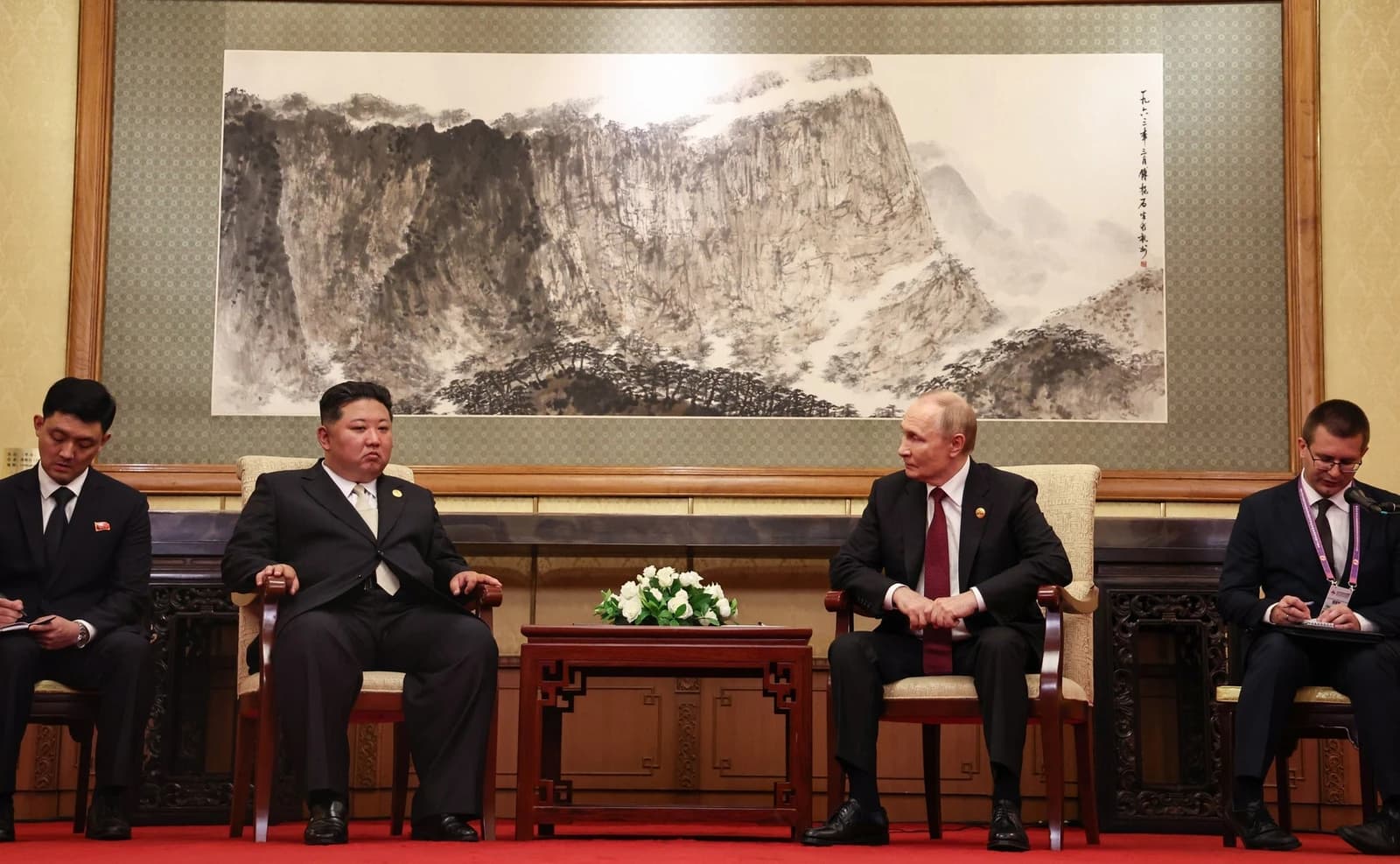
North Korea and Russia are tightening a wartime partnership that is helping Moscow sustain the fight in Ukraine and giving Pyongyang fresh leverage with one of its few major backers.
The latest signal came in a call between Kim Jong Un and Vladimir Putin, where both leaders reaffirmed what North Korea called an expanded strategic alignment “in all fields.” Putin praised North Korean troops for their “bravery” and “heroism” in Russia’s Kursk region, while Kim pledged full support for future Russian actions. That matters because the relationship has moved well beyond diplomacy: North Korea is supplying soldiers, ammunition and soon construction workers and deminers, turning the alliance into a practical war machine.
For investors, the economic significance is indirect but real. Every step that prolongs the war keeps sanctions, defense spending and geopolitical risk elevated across Europe and Asia. It also raises the odds of more pressure on Russia’s military supply chain, financial system and energy exports, while encouraging South Korea, Japan and the U.S. to harden their security posture. In markets, that usually means a longer runway for defense contractors, more demand for missile defense and surveillance systems, and a persistent risk premium in currencies and broader risk assets.
The timing is important. The call came just days before Putin’s meeting with Donald Trump in Alaska to discuss a cease-fire proposal in Ukraine. That suggests Moscow is not entering negotiations from weakness, but with a backstop from Pyongyang. For Russia, North Korea helps offset battlefield attrition and ammunition shortages. For North Korea, the relationship brings strategic protection, political relevance and likely access to technology, energy support and other economic benefits that are harder to quantify but crucial for a sanctioned state.
There is also a military logic behind the alliance. Ukraine has been targeting Russia’s bomber fleet and other long-range strike assets, trying to squeeze the Kremlin’s ability to launch cruise missiles. As Russia leans more on ballistic missiles and other hard-to-intercept weapons, the need for sustained production and battlefield support only grows. North Korean manpower and munitions help fill those gaps, even if the arrangement is costly in diplomatic terms.
The broader message for long-term investors is that this is not a short-lived headline. It is another sign that the war in Ukraine is evolving into a wider security contest involving Russia, North Korea, the U.S. and key Asian allies. That keeps defense budgets, sanctions enforcement and supply-chain realignment in focus for years, not weeks. If you invest with a multi-year horizon, the right takeaway is not to chase headlines but to watch which companies and sectors benefit from a world where geopolitical risk stays stubbornly high.
| Entity | Gains | Losses |
|---|---|---|
| Russia | ▲More ammo and manpower | ▼Greater sanctions isolation |
| North Korea | ▲Strategic backing and leverage | ▼Deeper diplomatic isolation |
| Ukraine | ▲Stronger international support | ▼Faces a longer war |
| Defense contractors | ▲Higher demand for weapons | ▼Peace-deal driven slowdown |