North Korea Workers Abroad Fund Weapons Programs
A U.N.-backed monitoring team says North Korea is still sending as many as 100,000 workers abroad, concentrated in China and Russia, generating up to 124 billion yen a year that it says is funneled into Pyongyang’s weapons programs.
The report matters because it shows one of North Korea’s most durable foreign-currency lifelines remains intact despite years of sanctions. By the team’s estimate, the workers earned $450 million to $800 million in 2025, with 80% to 90% of wages confiscated by North Korean authorities, giving the regime a steady source of hard currency for nuclear and missile development.
China remains the biggest destination, with an estimated 20,000 to 70,000 North Koreans working mainly in manufacturing, construction, IT and food service in the northeast provinces of Liaoning, Jilin and Heilongjiang. The report said about 10,000 more entered China between January 2025 and January 2026, underscoring how sanctions enforcement has failed to choke off the labor pipeline.
Russia has become the other key hub, with 15,000 to 30,000 North Koreans deployed there, including work tied to military drone production, according to the report. The monitoring team said some workers are disguised as students, a sign of how Pyongyang and its partners are adapting to restrictions.
For investors, the immediate impact is less about direct market exposure than about geopolitics, sanctions enforcement and the risk of deeper scrutiny on companies and industries operating in China and Russia. The report adds to concern that North Korea’s financing channels remain resilient even as global tension around sanctions, defense spending and supply-chain security stays elevated.
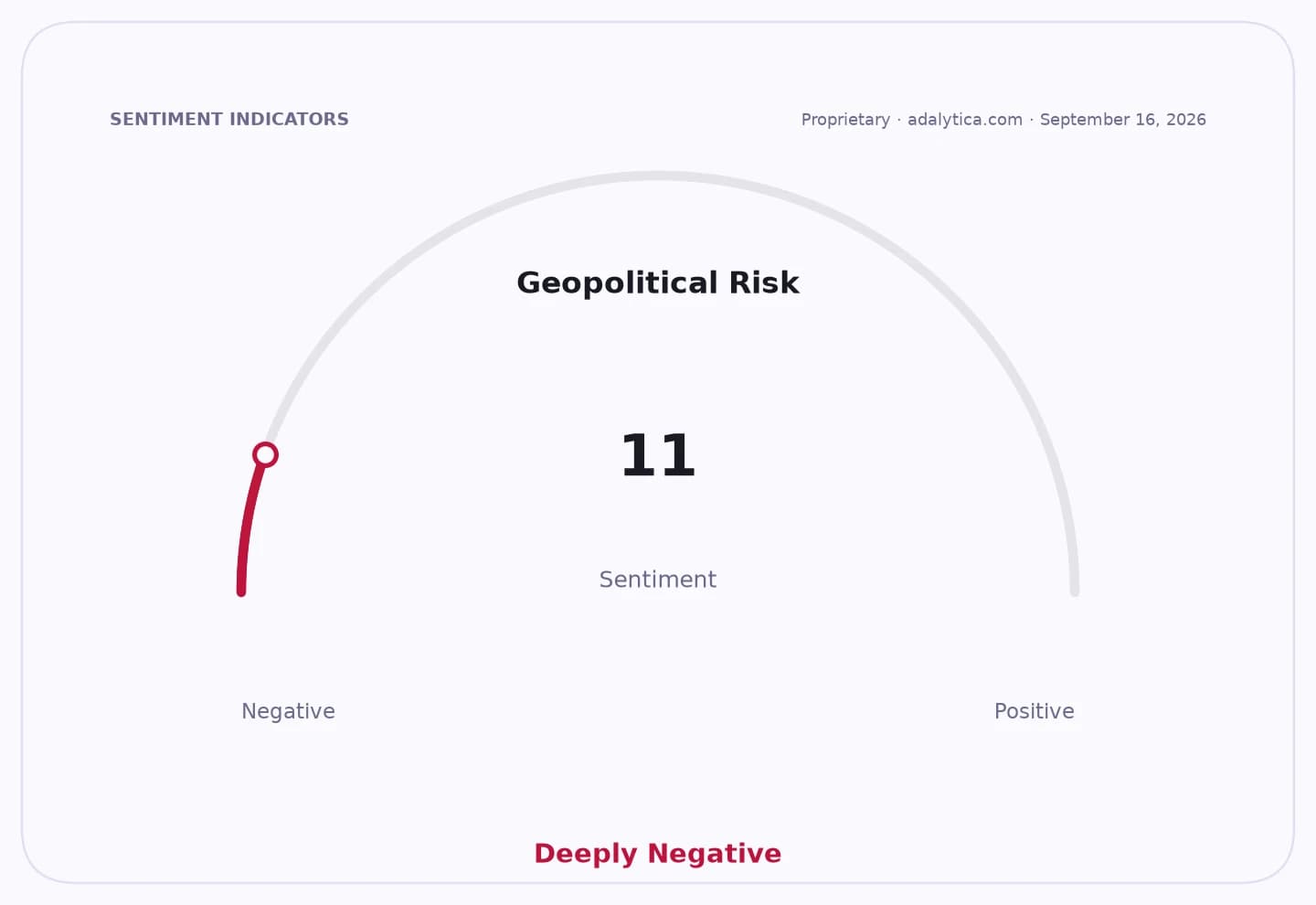
The findings also land against a broader deterioration in global stability sentiment, with markets still sensitive to escalation on the Korean peninsula and to any signs of tighter secondary-sanctions enforcement. The U.N. Security Council resolution requires member states to repatriate North Korean workers, and the report calls for immediate compliance, but the scale disclosed suggests that enforcement pressure is likely to stay uneven.
| Entity | Gains | Losses |
|---|---|---|
| North Korea | ▲Hard currency inflows | ▼Sanctions pressure |
| China and Russia | ▲Cheap labor supply | ▼Compliance scrutiny |
| U.N. sanctions regime | ▲Renewed focus | ▼Credibility from weak enforcement |
| Global investors | ▲Clarity on geopolitical risk | ▼Higher tail-risk in Asia and defense sectors |