Nvidia AI chip margins and hyperscaler rival chips
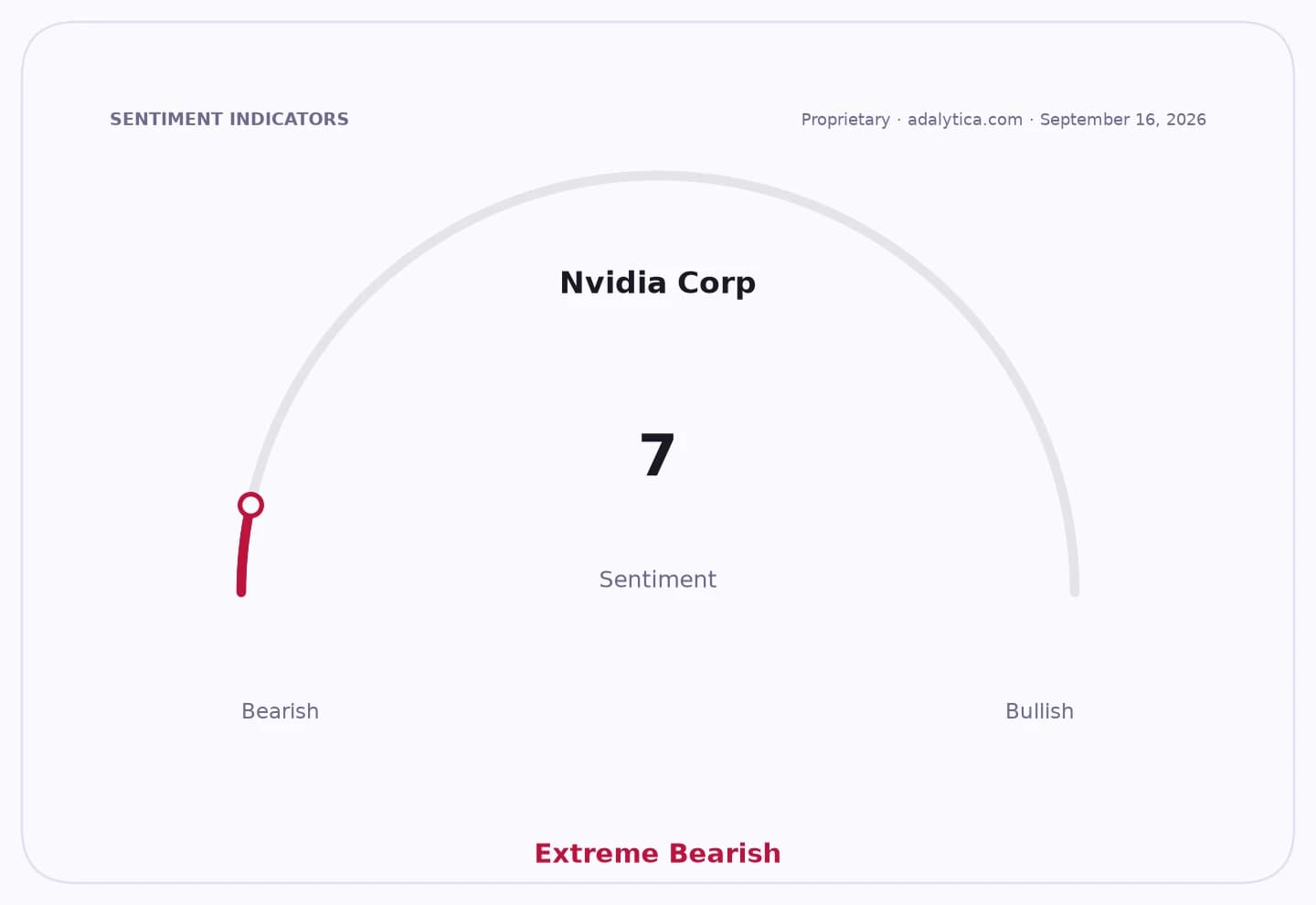
Nvidia’s extraordinary pricing power in AI chips is turning into the central trade in the market, but the bigger question now is whether that model can keep funding the next wave of competitors before the AI boom cools.
That is the real force behind investor Steve Eisman’s “modern Robin Hood” framing: Nvidia is extracting unusually rich margins from the biggest hyperscalers, then using that cash flow to help finance the ecosystem that ultimately wants to replace it. For investors, that makes Nvidia both the clearest beneficiary of AI capex and the most important barometer of whether the spending cycle is still in its early innings or moving toward commoditization.

The thesis cuts both ways. On one hand, Nvidia’s dominance remains undeniable. The company sits at the toll booth of AI infrastructure, charging premium prices for the chips that power training and inference across the data center. On the other, those same customers — Microsoft, Amazon, Alphabet and Meta among them — are racing to design their own silicon because they do not want to keep paying Nvidia’s rent forever. That tension is exactly why the market underestimates how much of today’s AI buildout is still a race against time.
The stock action shows just how much that debate matters. Nvidia shares closed at $212.17 on Sept. 15, below their 50-day moving average of $213.02 and well above the 200-day average of $197.42, a sign the long-term trend is still intact even as momentum has cooled. Its relative strength index near 50 suggests the stock is not washed out, but neither is it in the kind of euphoric setup that typically fuels another vertical move. In other words, investors are waiting for proof that the AI cash machine is still compounding faster than the skeptics expect.

Eisman’s warning goes beyond Nvidia itself. He pointed to the possibility that if OpenAI or Anthropic were to stumble before the competitive field broadens, the AI trade could start to look less like an industrial buildout and more like the early internet bubble, where the first wave of winners failed to justify the capital being thrown at them. That is why Nvidia matters so much to portfolio positioning: it is not just a chip story, but the market’s cleanest proxy for whether AI spending is generating durable returns or simply recycling capital through a handful of entrenched vendors.
The investment implication is straightforward. If AI infrastructure demand keeps running hot, Nvidia remains the highest-quality way to own the capex supercycle, even as hyperscaler chip efforts slowly erode pricing power. If the spending cycle cracks, Nvidia’s premium multiple becomes vulnerable fast, and the whole AI complex — from megacap cloud names to secondary chip suppliers — can re-rate lower together.
For now, the trade is still to respect Nvidia’s dominance, but not to ignore the second-order effect: every quarter of enormous hyperscaler spending accelerates the day they try to break free. That makes Nvidia both the kingmaker of AI and the company most exposed to its eventual commoditization. The best way to play it is to own the infrastructure leaders early, but pair that exposure with discipline, because the market is still pricing in perfection.
| Entity | Gains | Losses |
|---|---|---|
| Nvidia | ▲AI capex surge | ▼Future pricing power |
| Hyperscalers | ▲Short-term AI access | ▼Margins from Nvidia rents |
| Custom chip makers | ▲Demand from cloud giants | ▼If AI capex slows |
| AI skeptics | ▲Validation if spending cracks | ▼If AI buildout keeps compounding |