NVIDIA expands AI infrastructure in Australia
NVIDIA is expanding its AI infrastructure footprint in Australia with eight local partners, a move that underscores how the chipmaker is turning surging demand for accelerated computing into a global buildout of power-hungry “AI factories.”
The project matters because it extends NVIDIA’s dominance beyond chip sales into the full stack of AI deployment — hardware, networking, software and ecosystem support — at a time when governments and companies are racing to secure compute capacity. NVIDIA said the facilities could reach two gigawatts by 2027, enough electricity to power about 1.5 million homes, highlighting just how closely the next phase of AI growth is tied to energy, data-center capacity and grid access.
The Australian partners include Firmus, Sharon AI, IREN, ResetData, Megaport, CDC, NEXTDC and AirTrunk. They will operate the sites while NVIDIA supplies the technology backbone, a model that helps broaden access to its architecture without forcing the company to own all the capital-intensive infrastructure itself. For NVIDIA, that can mean faster market penetration and stickier customer relationships. For Australia, it signals an attempt to position itself as an AI hub using its existing strengths in renewable energy, digital infrastructure and technical talent.
The scale is large even by AI standards. Sharon AI said it is deploying up to 68,000 NVIDIA GPUs, a reminder that the industry’s appetite for compute is still rising sharply despite investor worries about whether spending can keep pace with eventual monetization. The deal also ties into local demand from companies such as Atlassian and healthcare AI developer Heidi, which are already using NVIDIA’s tools to build language, reasoning and speech applications tailored to Australian users.
That local angle matters economically. AI infrastructure investment can support construction, power demand, high-value technical jobs and cloud-related services, while also creating demand for network operators, colocation providers and utilities. It also raises the stakes for electricity pricing, permitting and grid reliability, all of which could become bottlenecks if the planned buildout accelerates toward the 2-gigawatt target.
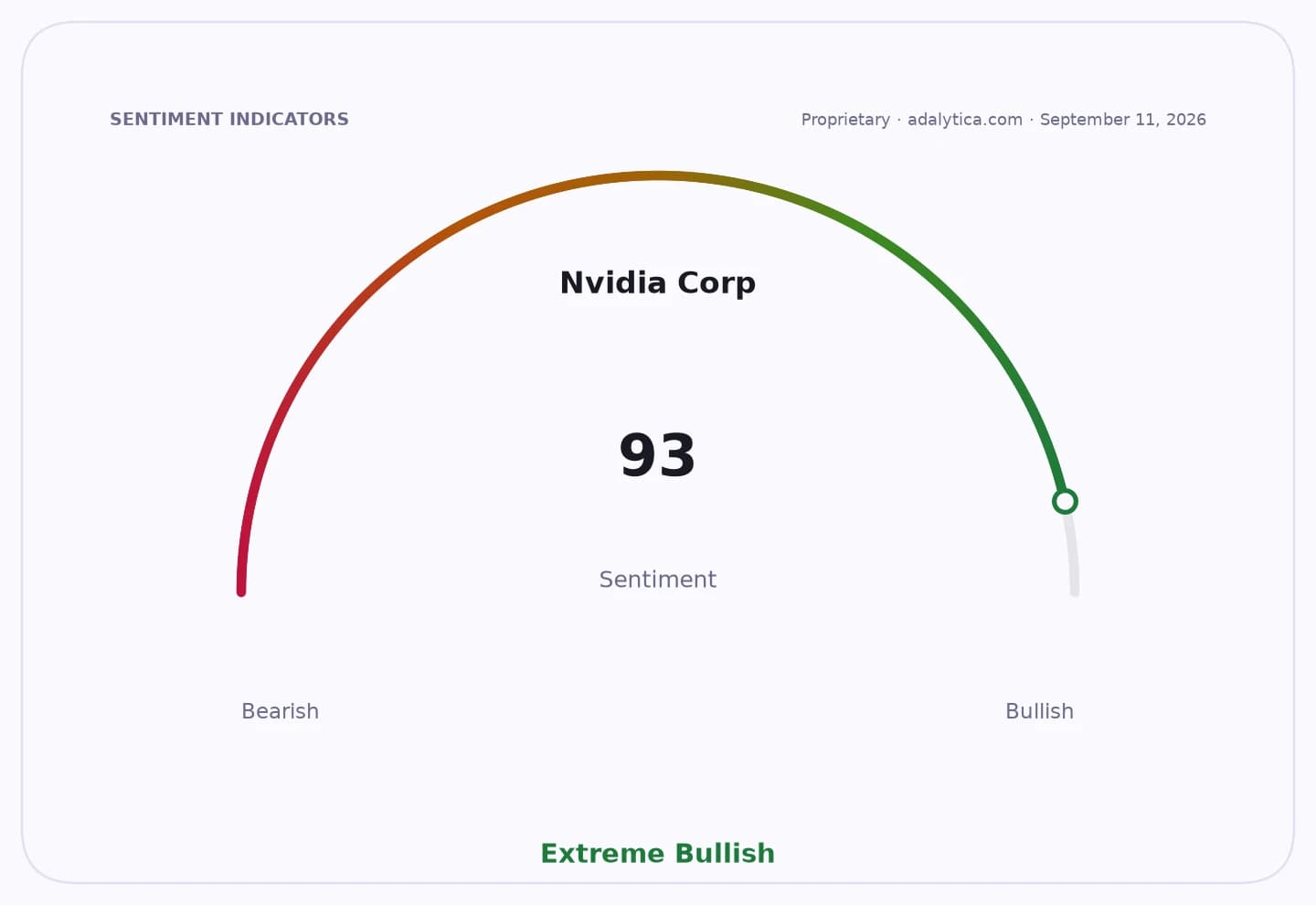
For investors, the partnership is another sign that the AI capex cycle remains intact, even after periods of volatility in technology shares. NVIDIA’s stock has been consolidating below its recent highs, with standard technical indicators such as the 50-day moving average and RSI pointing to a still-active but less euphoric trend. The broader AI trade, meanwhile, has been choppy, but the company’s ability to keep announcing infrastructure wins suggests demand is broadening geographically and moving deeper into sovereign and enterprise use cases.
The bull case is that NVIDIA keeps monetizing the AI buildout through every layer of the stack while expanding its addressable market outside the U.S. The bear case is that the sector keeps adding capacity faster than applications generate returns, leaving investors exposed if capital spending slows or power constraints bite. For now, the Australian deal says the opposite: AI demand is still pulling in chips, data centers and electricity at scale, and NVIDIA remains at the center of that trade.
| Entity | Gains | Losses |
|---|---|---|
| NVIDIA | ▲More global AI demand | ▼Less dependence on U.S. customers |
| Australian partners | ▲Access to NVIDIA stack | ▼Heavy capital and power needs |
| Local enterprises | ▲Faster AI deployment | ▼Higher compute competition |
| Utilities/grid operators | ▲New electricity load | ▼Pressure on capacity and pricing |