NVIDIA and Alphabet back AI data center grid coalition
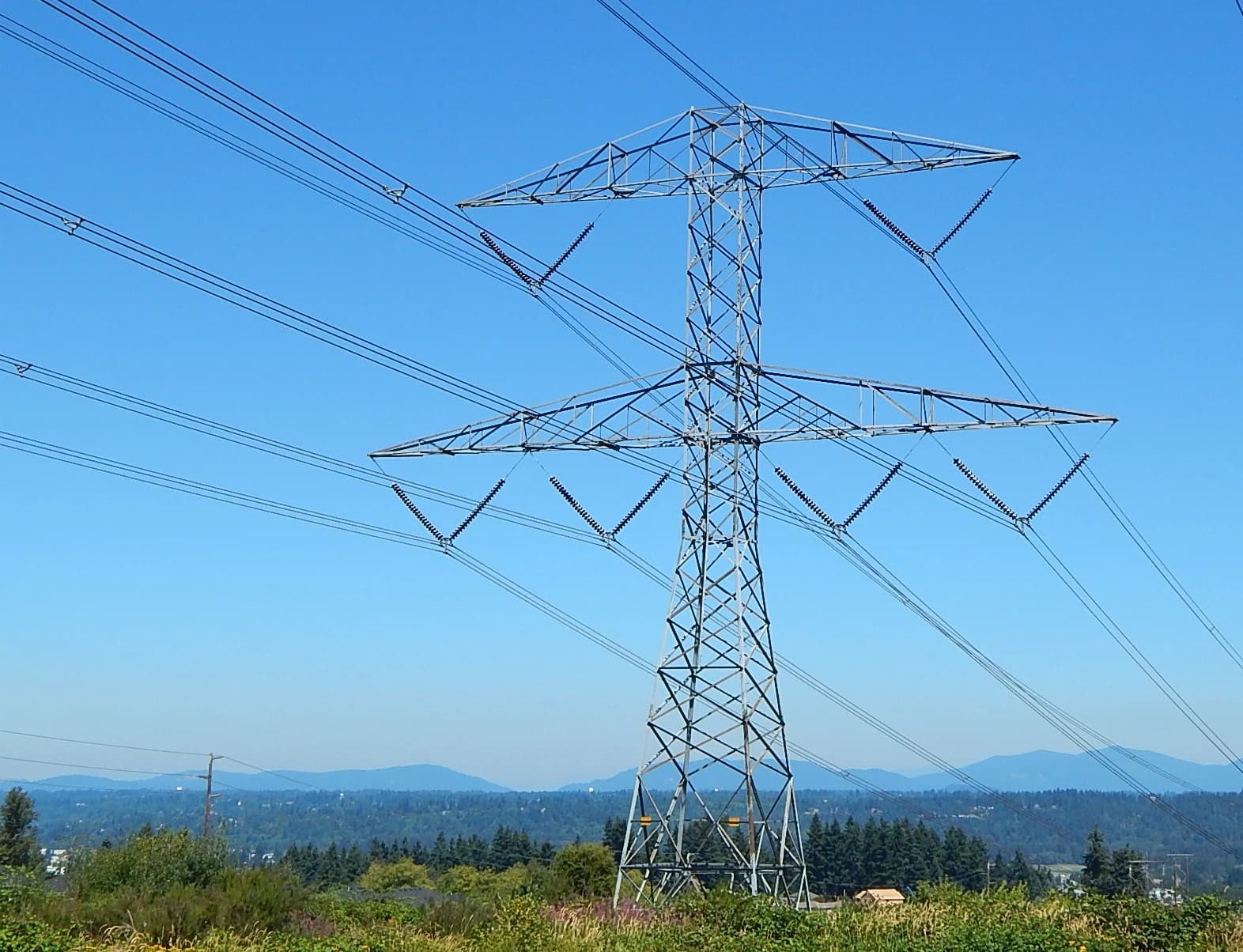
NVIDIA and Alphabet’s Google have joined with Emerald AI to form a coalition aimed at getting AI data centers connected to the US power grid faster, a move that could unlock more capacity for the industry while reducing the need for expensive grid upgrades.
The AI Energy Management Alliance, or AEMA, is pushing a model in which new data centers would be designed to flex power use, shift workloads and respond to emergencies in exchange for quicker utility hookups and possible cost sharing. That matters because developers often wait years for interconnection approval as utilities try to ensure enough capacity during peak demand, and the bottleneck has become one of the biggest constraints on the AI buildout.
Emerald AI chief executive Varun Sivaram said new US data centers can wait a decade or more to connect to the grid, even though the grid operates at about 50% utilization on average. He argued that if AI facilities can reduce demand during the worst hours of the year, the US could unlock as much as 100 gigawatts of existing grid capacity for flexible data centers.
The coalition is also a direct response to rising political and public pressure over the power and environmental costs of AI infrastructure. Data centers have become a flashpoint for regulators and communities worried about electricity prices, reliability and local disruption, and lawmakers have already begun exploring ways to make developers pay more of their own energy costs.
For NVIDIA and Google, the initiative is strategically important because both companies depend on rapid AI infrastructure expansion. NVIDIA has said in regulatory filings that it is securing land, power and capacity for customers deploying its products, while Google has also disclosed growing power and supply constraints around cloud and AI demand.
Investors are likely to watch whether AEMA’s model wins support from state regulators and federal policymakers, because faster interconnections could accelerate hyperscale buildouts, hardware orders and cloud capacity expansion. It could also improve the economics for utilities and data center operators by reducing the need for immediate large-scale transmission investment.
NVIDIA shares closed at $222.27 on Sept. 18, above its 50-day moving average of $214.07 and its 200-day average of $198.02. Google parent Alphabet ended at $349.54, with its 50-day average at $345.40 and 200-day average at $337.09. Microsoft, another major AI infrastructure buyer, closed at $493.78 after a volatile stretch tied to capital spending and power constraints.
The next test is regulatory: whether governors, utilities and Washington adopt standards that let flexible data centers trade operational discipline for faster hookups, or whether grid bottlenecks keep slowing the AI buildout.
| Entity | Gains | Losses |
|---|---|---|
| NVIDIA | ▲Faster data-center deployment | ▼Grid-connection delays |
| ▲Quicker cloud capacity growth | ▼Higher power bottlenecks | |
| Utilities | ▲Shared costs, load flexibility | ▼Peak-demand strain |
| Data center developers | ▲Faster hookups | ▼Less operational freedom |