NVIDIA DRIVE adds 120-degree adaptive lidar
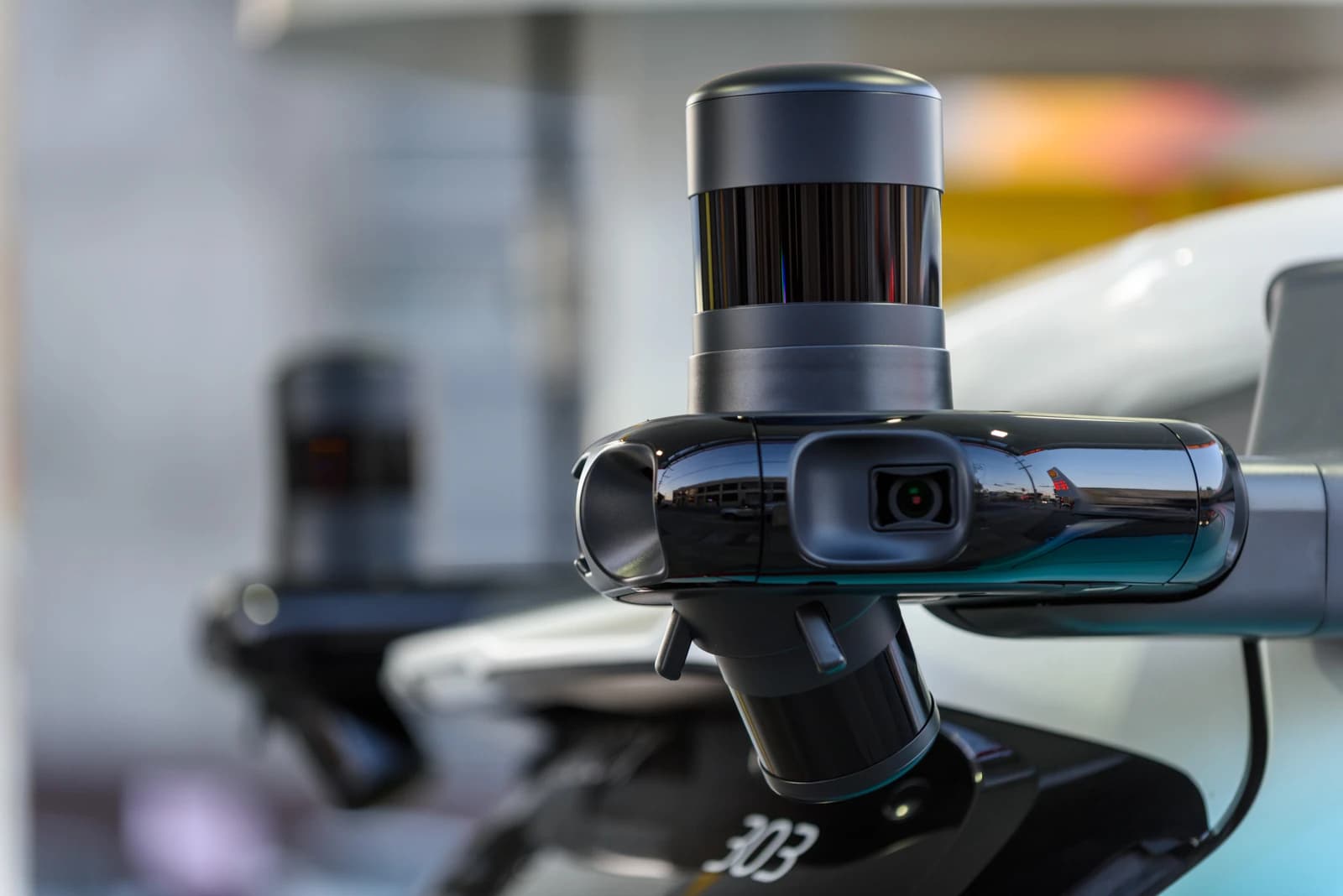
NVIDIA’s DRIVE platform is moving deeper into the autonomous-driving stack with integration of a 120-degree wide-angle adaptive lidar, a shift that could widen the company’s addressable market just as automakers sharpen spending on vehicle intelligence and safety.
The economic significance is bigger than a product feature update. By pairing its compute and software platform with a more capable sensing layer, NVIDIA is strengthening its claim to be the central architecture in next-generation driver assistance and autonomy, not just the supplier of in-car AI processors. That matters because the automotive market is one of the few places where chip demand can become durable, recurring and high-value, particularly if more carmakers standardize around bundled hardware-software systems rather than buying parts piecemeal.
Investors should see the move as part of a broader race to own the self-driving “toll road.” The market often focuses on NVIDIA’s data-center AI revenue, but automotive remains a long-duration option on compute, autonomy and robotics. If DRIVE can combine processing, perception and sensor integration into a stickier platform, the company gets another layer of ecosystem lock-in and a clearer path to monetizing software and services over time. That is the kind of optionality the market routinely undervalues until adoption becomes visible in revenue.
The timing also matters. NVDA shares have climbed to $219.22, well above the 50-day moving average of $205.73 and the 200-day moving average of $193.41, while RSI readings near 59.5 suggest momentum has improved without flashing extreme overbought conditions. After a volatile stretch earlier this year, the stock is regaining technical strength as confidence returns to AI-linked names. Adalytica’s NVIDIA earnings sentiment gauge is also back at 43, neutral, with awareness elevated at 75, underscoring that investor attention is rising even if enthusiasm is not yet euphoric.
For the autonomous-vehicle ecosystem, the winner is the supplier that can make sensing and inference work as one system. That puts pressure on point-solution lidar vendors and boosts platform players that can turn autonomy into a full-stack offering. A wide-angle adaptive lidar is especially relevant because it improves the near-field and peripheral vision that matters in urban and low-speed scenarios, where most driver-assistance deployments are likely to scale first. If adoption follows, the upside is not just in unit sales but in higher attach rates for software, mapping and compute.
Aviation, industrial robotics and advanced driver-assistance systems all point to the same investment truth: the next phase of AI monetization will not be limited to data centers. It will move into the physical world, where every added sensor, processor and software layer can increase average selling prices and recurring revenue. NVIDIA’s latest DRIVE integration is another reminder that the company is trying to own that transition.
For investors, the trade is straightforward: stay exposed to NVIDIA as an AI infrastructure leader, but watch for second-order beneficiaries in lidar, automotive AI and robotics that can ride the same secular wave. The market is still underpricing how much value accrues to the platform that becomes the default nervous system for autonomous machines.
| Entity | Gains | Losses |
|---|---|---|
| NVIDIA | ▲Deeper auto-stack control | ▼Point-solution rivals |
| Automakers | ▲More integrated autonomy tools | ▼DIY sensor/software costs |
| Lidar suppliers | ▲Higher adoption potential | ▼Commoditized vendors |
| Investors in AI infrastructure | ▲New long-tail upside | ▼Narrow chip-only thesis |