Nvidia Earnings, Oil Prices Move Asian Stocks
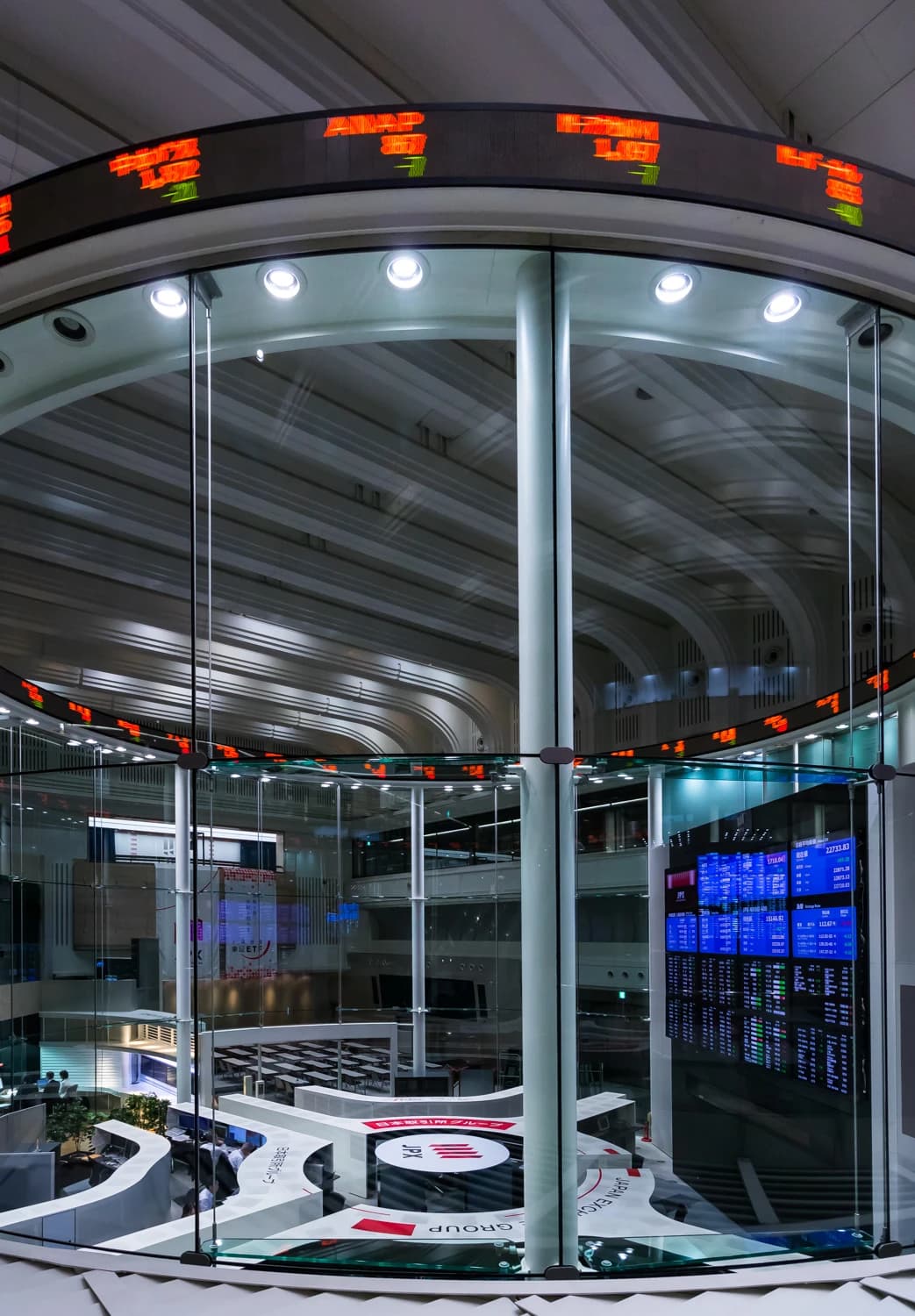
Asian stocks were mixed on Wednesday as traders waited for Nvidia’s earnings, while a retreat in oil prices took some heat out of inflation fears and helped steady the broader risk backdrop.
That combination matters because the market is being pulled by two of the most important forces in global finance: the AI capex cycle and the direction of energy prices. Nvidia has become the market’s cleanest read on data-center spending, semiconductor demand and the durability of the artificial intelligence trade. Oil, meanwhile, remains the fastest-moving input into inflation expectations, bond yields and growth sentiment.

The result is a session defined less by conviction than by positioning. Investors are reluctant to chase risk before Nvidia’s numbers, but they are also getting a helpful macro tailwind from cheaper crude. WTI was recently around $86.74 a barrel in the latest forecast data, down from a recent peak above $109 in May, while the U.S. 10-year Treasury yield hovered near 4.72%, leaving markets highly sensitive to any fresh inflation impulse.
For equity investors, the key question is whether Nvidia can confirm that hyperscalers and enterprise buyers are still spending aggressively enough to justify the sector’s premium valuations. Nvidia shares were recently around $213, while the Philadelphia semiconductor index, SOXX, sat near $514 after a violent run-up and pullback that has left it well above its 200-day moving average but below its recent highs. That backdrop tells you the market still believes in the AI trade — but it is no longer willing to pay any price for it.
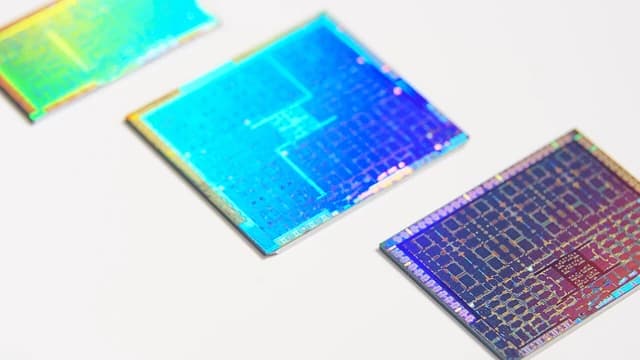
The more interesting second-order effect is what comes after the headline chip name. If Nvidia delivers another clean beat and strong guidance, the next leg of the rally should favor the picks-and-shovels around AI infrastructure: foundry capacity, advanced packaging, networking, power equipment and data-center buildout names. TSMC remains the obvious toll road in that chain, while suppliers tied to high-performance computing and power demand are set up to benefit if capex stays hot into 2027.
Oil’s decline is equally important, even if it is getting less attention than Nvidia. Lower energy prices relieve pressure on consumers, support margins for importers and reduce the odds of a renewed bond-market selloff. That is good news for growth stocks, especially expensive technology names that are most vulnerable when yields climb. Energy shares, by contrast, are losing one of their strongest supports as crude cools.
The narrative connecting the session is simple: markets are trying to decide whether AI spending can keep outrunning tighter financial conditions, and falling oil is giving that story a little room to breathe. If Nvidia confirms demand, the winners will be the chipmakers and infrastructure suppliers that power the buildout. If it disappoints, the market’s most crowded trade will finally have to confront valuation risk. For investors, that argues for staying exposed to the AI supply chain, but with a sharper focus on quality, balance-sheet strength and the companies that sell the infrastructure rather than the dream.
| Entity | Gains | Losses |
|---|---|---|
| Nvidia | ▲Confirms AI demand | ▼Misses high expectations |
| Semiconductor suppliers | ▲More capex orders | ▼Slower AI spending |
| Consumers/importers | ▲Lower fuel costs | ▼— |
| Energy stocks | ▲— | ▼Softer crude prices |