Nvidia H100 rental rates rise after Burry depreciation claim
Nvidia CEO Jensen Huang is using fresh evidence from the chip market to undercut Michael Burry’s bearish case that AI semiconductors are being depreciated too slowly, a debate that matters because it goes straight to reported profits across the biggest AI buyers and, by extension, the durability of the sector’s earnings boom.
Huang on Tuesday amplified a post showing Nvidia’s older Hopper H100 chips renting for 22% more month over month, after CoreWeave said it would keep renting older Ampere A100 processors through 2029. That suggests the chips are not becoming obsolete anywhere near as fast as Burry argues, and that companies extending their useful life to six years may actually be understating, not overstating, their productivity.
The accounting fight matters because many tech firms have been spreading the cost of Nvidia GPUs over six years, while Burry argues the life span should be closer to two or three years. If the hardware keeps generating revenue for far longer, depreciation charges are not flattering earnings — they may still be too conservative.
For investors, that supports the case that demand for Nvidia’s installed base remains strong even as buyers shift to Vera Rubin and Blackwell. It also reinforces the view that older chips retain resale and rental value, a key signal for the economics of AI infrastructure and for the cloud, neocloud and data-center operators who have spent heavily on Nvidia systems.
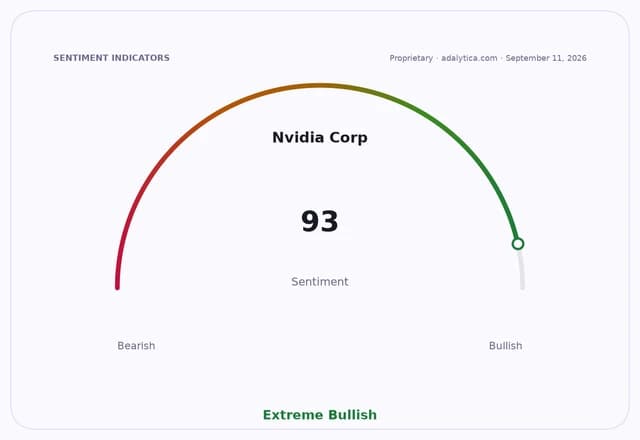
Nvidia shares were last around $218.36, down 2.5% in the latest session, but still above the 50-day moving average of $211.94 and well above the 200-day average of $196.91. The broader market was softer too, with the S&P 500 ETF closing at 757.83 and Adalytica’s S&P 500 trade signals showing “Extreme Fear,” even as Nvidia’s own Adalytica earnings sentiment remained in “Extreme Greed.”
The bigger takeaway is that the AI trade is still being supported by hard asset utilization, not just narrative. If older Nvidia GPUs keep commanding higher rents years after launch, Burry’s short thesis on overstated chip life becomes harder to sustain — and investors will watch upcoming AI spending and earnings updates to see whether this pricing strength persists.
| Entity | Gains | Losses |
|---|---|---|
| Nvidia | ▲Stronger chip-life thesis | ▼Bearish depreciation argument |
| Jensen Huang | ▲Credibility on GPU durability | ▼Michael Burry's short case |
| AI buyers and renters | ▲Longer asset utility | ▼Higher rental costs |
| Short sellers | ▲Harder valuation setup | ▼AI infrastructure bulls |