Nvidia H100 Shortage Highlights AI Demand
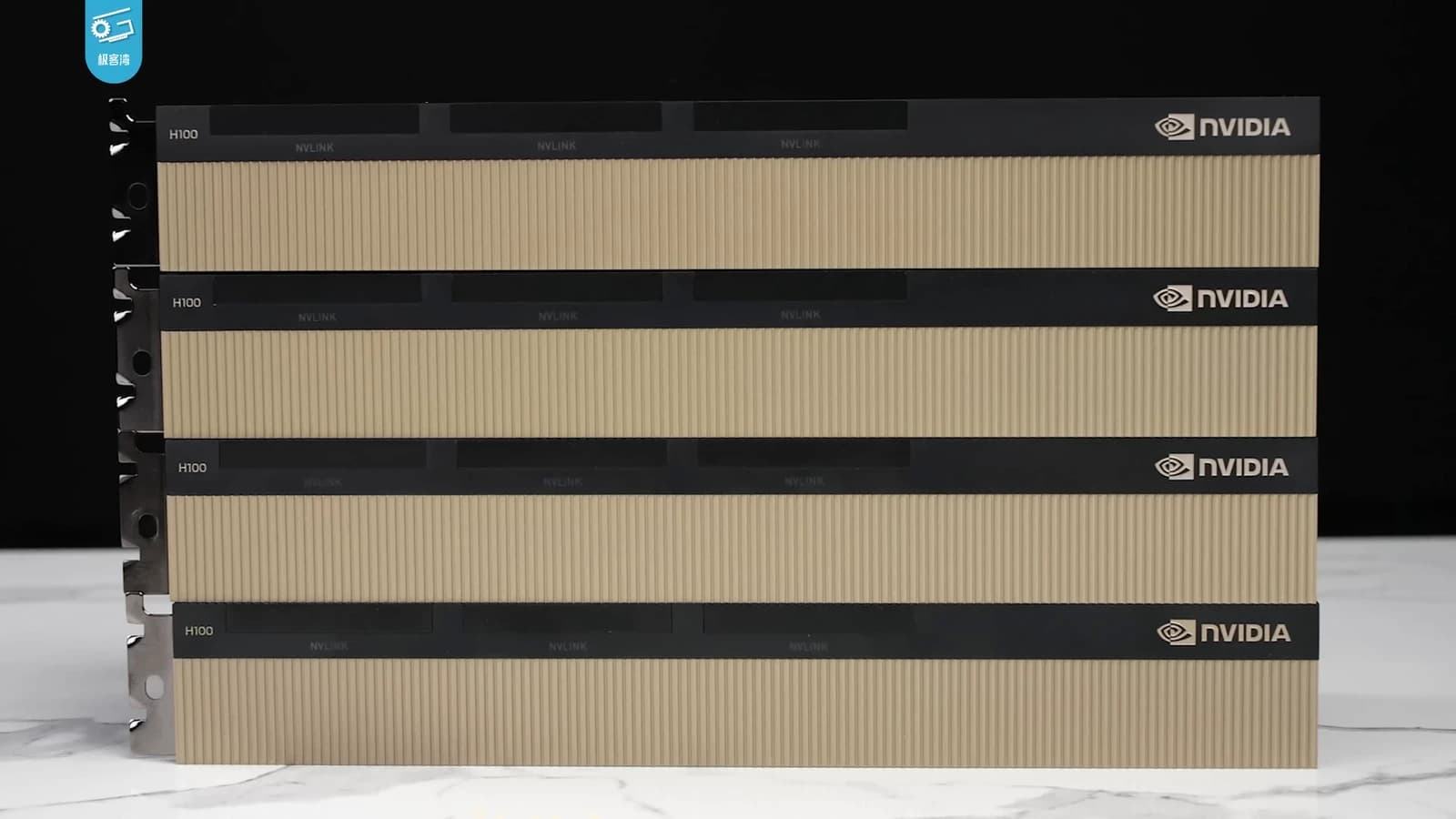
Nvidia’s older H100 accelerator is becoming hard to find again, and that shortage matters because it shows the AI buildout is still running ahead of supply even as the market tries to normalize around newer chips.
For investors, the key point is not just that one model is scarce. It’s that the AI infrastructure cycle is still strong enough to keep demand elevated across generations of Nvidia hardware, from the H100s that powered the first wave of generative AI deployments to newer products now pulling the same supply chain in multiple directions. When the “old” chip is still in short supply, it usually means customers are still buying whatever they can get to keep data centers running, training models, or expanding inference capacity. That is a healthy sign for the entire AI spend cycle.
Nvidia’s own filings reinforce that picture. The company said its supply and capacity commitments surged to $279 billion from $119 billion in just one quarter as it tries to meet future demand. That is a staggering backlog by any standard, and it helps explain why even legacy chips remain scarce. Nvidia is still the bottleneck, and bottlenecks often translate into pricing power, especially when customers are racing to secure compute before competitors do.
The market has already noticed. Nvidia shares have climbed to around $230, with the stock sitting above both its 50-day and 200-day moving averages, while momentum indicators remain constructive. That does not make the stock cheap, but it does suggest investors continue to view Nvidia as the cleanest way to own the AI supply chain. The broader AI ecosystem is benefiting too: Super Micro Computer, which assembles high-performance server systems, has rebounded sharply, while Advanced Micro Devices has also seen powerful interest from investors trying to play the same theme. The scarcity of older H100s is a reminder that the AI boom is still broad enough to lift multiple suppliers and partners.
There is a second, more important investment lesson here. Supply constraints are not always a warning sign for demand; sometimes they are evidence of it. Nvidia can ship newer chips, but customers with urgent workloads often do not wait for the latest release. They buy what is available, which keeps older inventory valuable and supports the economics of the whole platform. That helps explain why AI hardware remains one of the most compelling long-term technology themes even after an enormous run in the shares.
The risk, of course, is that supply eventually catches up or customers slow their pace after a heavy spending burst. But as long as hyperscalers, model builders, and enterprise buyers keep expanding their AI infrastructure, Nvidia should remain the central toll collector. For long-term investors, the scarcity of H100s is not just a supply-chain footnote — it is another sign that the AI arms race is still in full swing. Worth watching, and for patient investors, still a story to keep on the buy-and-hold list.
| Entity | Gains | Losses |
|---|---|---|
| Nvidia | ▲Pricing power; backlog visibility | ▼Supply strain |
| AI chip buyers | ▲Faster deployment if they secure chips | ▼Higher costs; delays |
| Super Micro Computer | ▲More server demand | ▼Parts tightness |
| Advanced Micro Devices | ▲Spillover investor interest | ▼Comparisons with Nvidia's dominance |