Nvidia H200 China licenses have not led to shipments
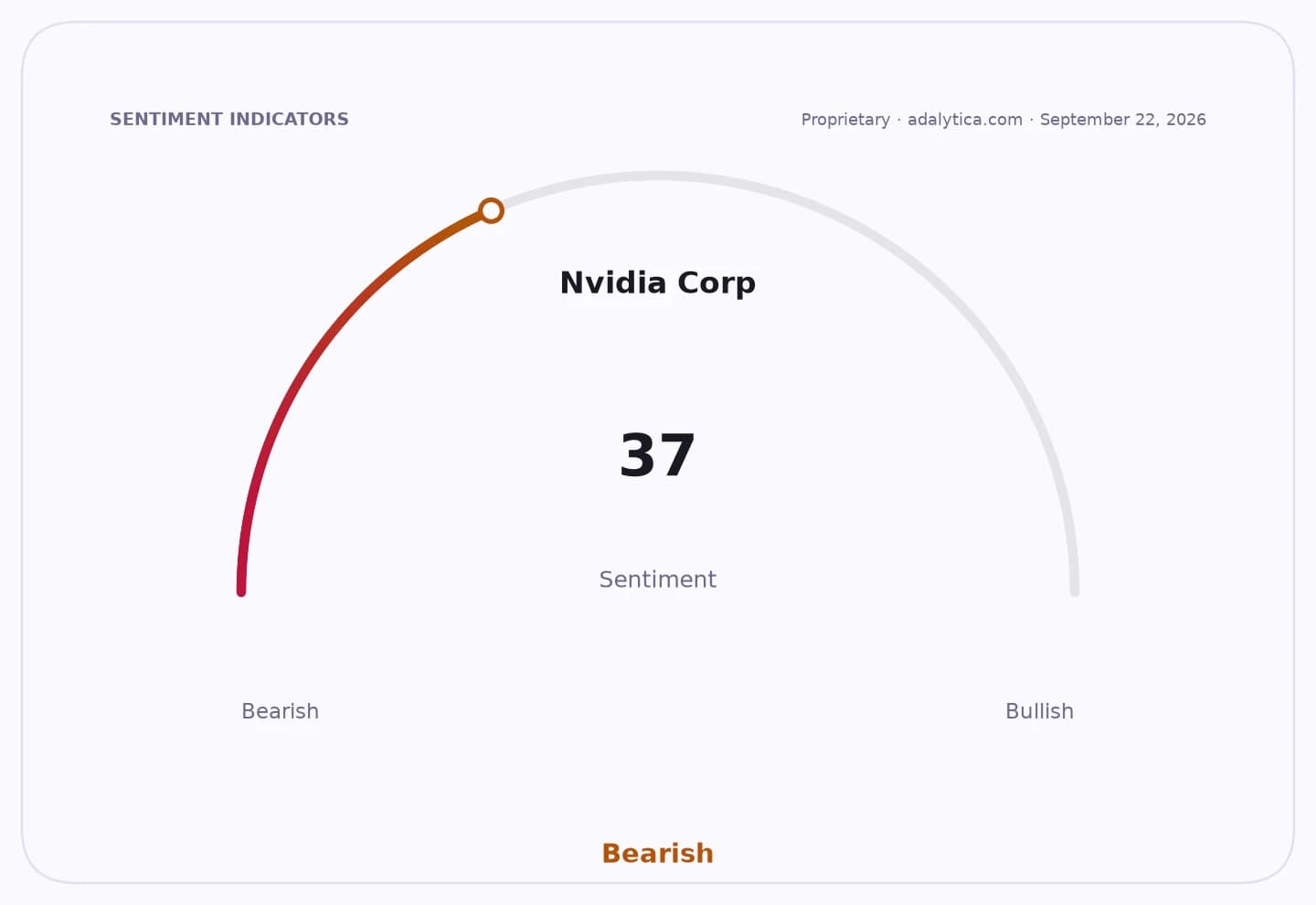
The US has started issuing permission for Nvidia’s H200 chips to be sold to China, but the bigger market message is that export clearance is not the same as a revenue stream: according to C4ADS, roughly 10 Chinese companies have licenses, yet no deliveries have been made and shipments are expected to remain at zero through mid-2026.
That gap matters because it turns a potentially meaningful policy easing into a slow-moving and uncertain commercial pipeline. Washington is allowing limited access to one of Nvidia’s flagship artificial intelligence accelerators, but the licensing regime, inspections in the US and political scrutiny are still preventing the kind of large-scale China sales that once helped underpin Nvidia’s data-center growth. For investors, the question is not whether Nvidia can sell some H200s into China, but whether those sales can overcome the regulatory friction, the delayed fulfillment and Beijing’s accelerating push toward domestic alternatives.
The theoretical ceiling looks sizeable. C4ADS said each approved entity can buy as many as 75,000 units, implying a possible 750,000-chip allocation across the group. In practice, however, the report says no physical shipments have occurred, and Commerce Secretary Howard Lutnick told Congress that the process remains effectively blocked as China redirects capital into local production. That leaves the licenses looking more like an option on future demand than an immediate earnings catalyst.
The timing is awkward for Nvidia. The company has already told investors in regulatory filings that H200 shipments under the US government’s licensing program have amounted to less than 1% of its latest-quarter data-center revenue. It also warned that export controls make pre-sale and post-sale support more cumbersome and can push overseas customers toward competitors. On the market side, Nvidia shares have recovered to around $228.16, above both the 50-day moving average of $214.90 and the 200-day average of $198.50, suggesting traders are still willing to price in long-term AI demand even as China remains constrained.
The broader strategic shift is that the US is now trying to manage, rather than simply shut off, a China market that has become increasingly important to Nvidia’s competitive positioning. That has benefits and risks. On one hand, any resumption of legal H200 sales would support revenue, preserve customer relationships and limit the incentive for Chinese buyers to move entirely to local suppliers or grey-market channels. On the other, the limited and delayed nature of the permissions may accelerate the very substitution Washington is trying to avoid.
That substitution is already visible. C4ADS said it identified three “gray” routes used to move sanctioned Nvidia chips from 2022 through January 2026, with the value of that shadow trade running from several million to several billion dollars. At the same time, Chinese rivals are scaling up. Huawei is targeting output of 600,000 Ascend 910C processors by 2026, with total Ascend-family chip production potentially reaching 1.6 million units, while Tencent, DeepSeek and Moonshot AI are already expanding infrastructure built on domestic compute.
For investors, the key implication is that China is becoming less of a linear upside story for Nvidia and more of a contested, policy-shaped market with diminishing visibility. Bulls can argue that even constrained access keeps Nvidia embedded in the Chinese AI stack and protects some share against local challengers. Bears will note that every delay gives Huawei and others more time to mature, reducing the long-term value of any eventual relaxation.
The next catalyst is whether any of the licensed H200 permissions convert into actual contracts and shipments, and how much of Nvidia’s China demand is diverted into domestic hardware instead. Until then, the policy shift is real, but the revenue effect remains mostly hypothetical.
| Entity | Gains | Losses |
|---|---|---|
| Nvidia | ▲Retains China access option | ▼Faces delayed, limited sales |
| Chinese AI buyers | ▲Legal route to H200s | ▼Continued supply uncertainty |
| Huawei and local chipmakers | ▲More room to gain share | ▼Lose urgency if imports resume |
| US regulators | ▲Tighter control over exports | ▼Must manage loopholes and enforcement |