Nvidia Faces Higher Server Prices in AI Buildout
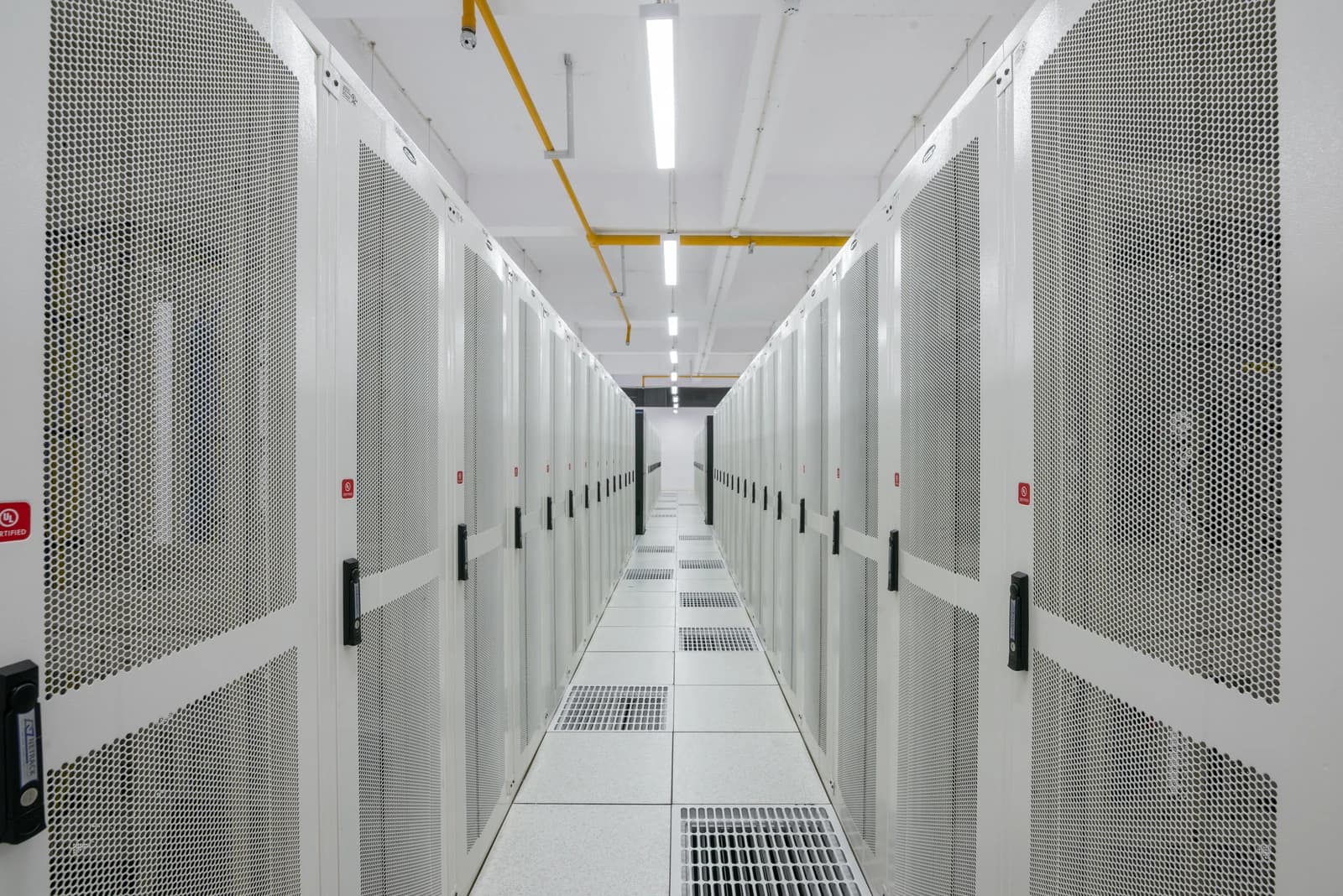
Nvidia shares were in focus Monday after a report said server prices are expected to climb by more than 15%, a sign that AI infrastructure costs are still moving higher even as demand for accelerated computing remains intense.
That matters because server pricing is one of the clearest read-throughs on the economics of the AI buildout. If data-center systems become more expensive, it usually reflects a mix of stronger demand, tighter supply chains and the growing content value of chips, networking and memory inside each rack. For Nvidia, higher server prices can reinforce the idea that AI spending is still expanding faster than customers can absorb it, which supports pricing power across the ecosystem. For buyers, however, it raises the hurdle rate for new deployments and may force slower procurement decisions or more selective capex plans.
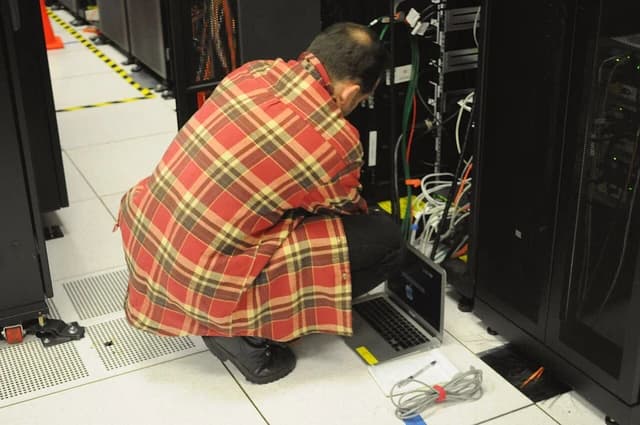
The market reaction also points to how investors are still balancing growth against valuation. Nvidia closed at $214.72 on Aug. 21, up sharply from $177.85 on Jan. 20 and above its 200-day moving average of $195.12, showing the stock has recovered its long-term trend even after a late-August pullback. Its 50-day average stands at $207.58, while RSI readings near 59.5 suggest momentum is no longer stretched after becoming overheated earlier in the month. That combination leaves the shares sensitive to any evidence that AI spending remains durable — or that pricing may be peaking.
The move comes against a broader backdrop in which Nvidia’s suppliers and customers are still tied to the same capex cycle. Super Micro Computer, a key server partner in the AI chain, has also been volatile, while Dell Technologies has stayed elevated after a sharp run tied to AI server demand. A report of higher server prices therefore does not only speak to Nvidia’s revenue opportunity; it also hints at who captures the next round of margins in the AI stack, from chip makers to system integrators and hyperscale buyers.
Bullish investors will argue that price increases confirm the market is still underestimating the scale of AI infrastructure demand and the limited near-term ability of supply to catch up. The bear case is that rising server costs eventually squeeze return on investment for cloud providers and enterprises, making future orders more uneven even if near-term demand remains firm.
What to watch next is whether the pricing pressure shows up in more formal guidance from server makers, cloud vendors and Nvidia’s own supply chain commentary. If it does, investors may have to separate another leg of AI revenue growth from a harder question: how much of the economics will accrue to the hardware vendors, and how much will be absorbed by customers trying to build out capacity at any cost.
| Entity | Gains | Losses |
|---|---|---|
| Nvidia | ▲Stronger pricing backdrop | ▼Harder comparisons if demand cools |
| Server makers | ▲Higher revenue per unit | ▼Margin pressure from component costs |
| Cloud buyers | ▲Capacity expansion | ▼Higher AI infrastructure bills |
| Long Nvidia holders | ▲AI demand confirmation | ▼Risk of valuation compression |