Nvidia at $206.70 as hyperscaler AI capex stays strong
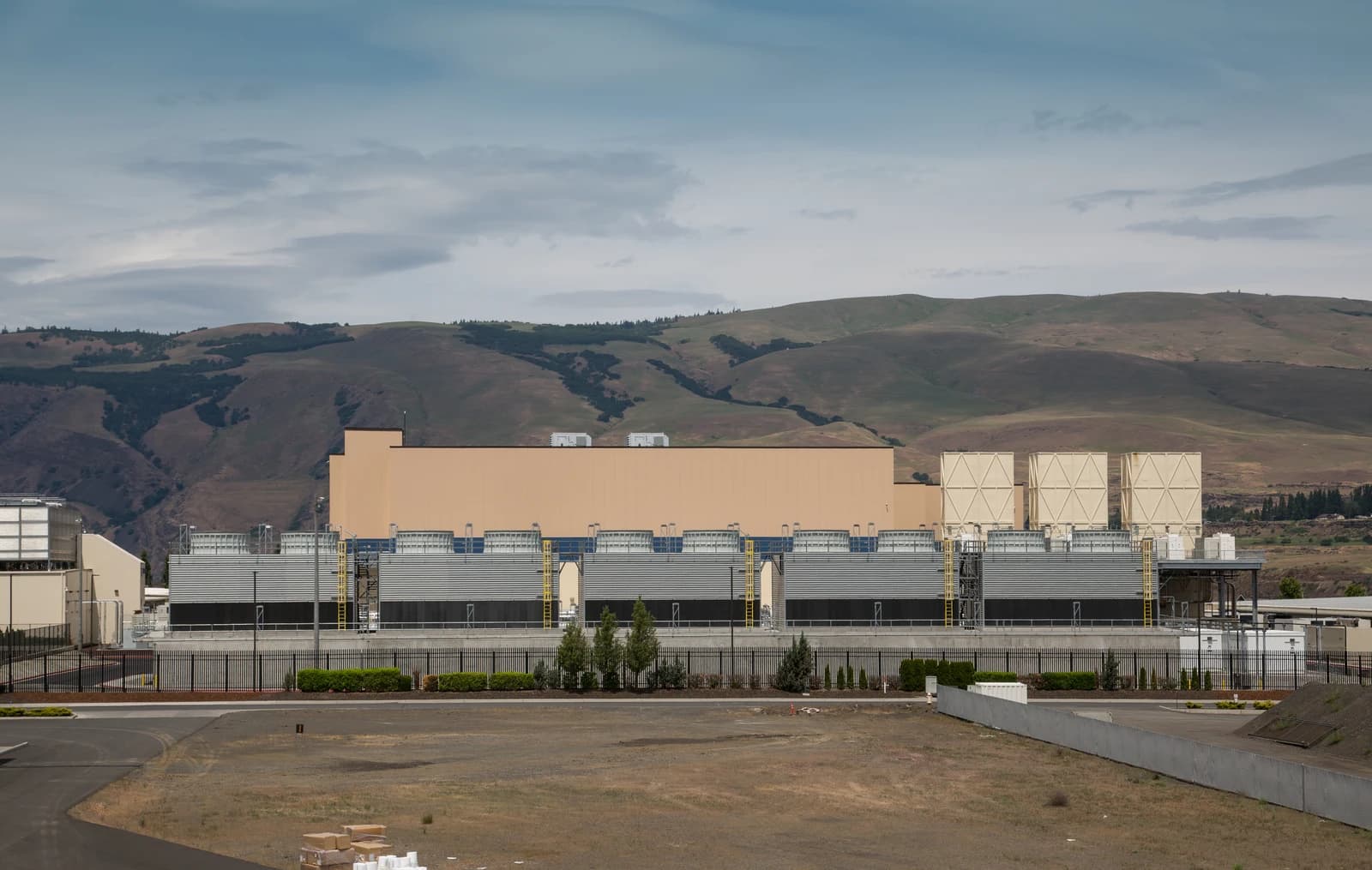
AI infrastructure demand is still being financed, not debated, and that is the clearest takeaway for investors watching whether hyperscaler capex can keep the semiconductor cycle alive. Nvidia closed at $206.70 on Aug. 3, with Microsoft at $488.97 and Amazon at $285.48, levels that point to renewed confidence that the biggest cloud buyers are still pushing ahead with data center buildouts even as the market questions the pace and payoff of AI monetization.
That matters because hyperscaler capital spending is the transmission mechanism between AI hype and real earnings. When Microsoft, Amazon and Alphabet keep pouring money into servers, networking gear, power systems and buildings, the benefits flow quickly to Nvidia, networking vendors, memory suppliers, electrical equipment makers and construction chains. When they hesitate, the entire AI supply chain gets repriced. The latest price action suggests investors are again leaning toward the bull case: capex remains robust enough to support demand for accelerated computing, even if returns on that spending will be slower and less linear than the market once assumed.
The share performance also shows how uneven sentiment has become beneath the surface. Nvidia’s stock has recovered to just above its 50-day moving average, with the 200-day line at $193.06, while its RSI reading of 45.7 suggests the name is no longer stretched after recent swings. Microsoft, by contrast, has surged far above both its 50-day and 200-day moving averages, with RSI at 81.4, a sign that investors are rewarding the software giant for AI-related infrastructure and cloud momentum but may also be pricing in a lot of good news already. Amazon’s move back above its 50-day and 200-day averages, with RSI at 69.0, similarly points to a market that is willing to fund the next leg of AI infrastructure spending.
The underlying story is that the hyperscalers are still treating AI capacity as a strategic necessity. Recent SEC filings from Microsoft, Amazon, Alphabet and Meta all point to continued large-scale investment in data centers, servers, network equipment and related infrastructure. Microsoft has said its cloud and AI strategy requires substantial investment and depends on customer demand and competitive dynamics. Amazon has described technology and infrastructure spending as central to improving efficiency at scale. Alphabet has highlighted technical infrastructure spending, including servers, network equipment and data center construction, while Meta has flagged rising infrastructure investments tied to AI initiatives, including third-party cloud capacity and network infrastructure.

For Nvidia, that is the most important macro variable. Its results are increasingly tied not just to AI enthusiasm, but to the cadence of hyperscaler deployment, and the market is effectively asking whether the next wave of buildout will stay broad enough to absorb supply. The stock’s technical position is constructive but not euphoric, with the price only slightly above the 50-day average and the MACD still negative, implying momentum has improved but has not fully reset to a powerful uptrend. That leaves room for both upside and disappointment depending on whether the spending cycle broadens beyond the first movers.
The bear case is that hyperscaler capex is becoming more crowded, more capital intensive and more exposed to scrutiny over returns. Heavy spending can support Nvidia and the broader AI supply chain in the near term, but it also raises the hurdle for operating leverage later. The bull case is that cloud demand, enterprise AI adoption and model training needs are still early enough to justify sustained investment, especially if new workloads keep driving utilization of GPUs, memory and networking. In that scenario, Nvidia remains the clearest public-market beneficiary, while Microsoft and Amazon gain from owning the platforms that monetize the infrastructure.
For investors, the next catalyst is not another abstract debate about AI potential but the next round of hyperscaler spending commentary, particularly around whether 2026 budgets stay elevated and whether deployment shifts from training toward inference and commercial rollout. If capex keeps rising, Nvidia and the rest of the AI hardware stack should remain supported. If the hyperscalers start signaling discipline, the market’s most expensive AI trade will have to stand on earnings, not spending alone.
| Entity | Gains | Losses |
|---|---|---|
| Nvidia | ▲GPU demand visibility | ▼Faster capex slowdown |
| Microsoft | ▲Cloud/AI capacity buildout | ▼Margin pressure from spending |
| Amazon | ▲AWS infrastructure scale | ▼Near-term free cash flow |
| Hyperscaler suppliers | ▲Orders for chips, gear, power | ▼If budgets are trimmed |