Nvidia, Microsoft on AI security and regulation risks
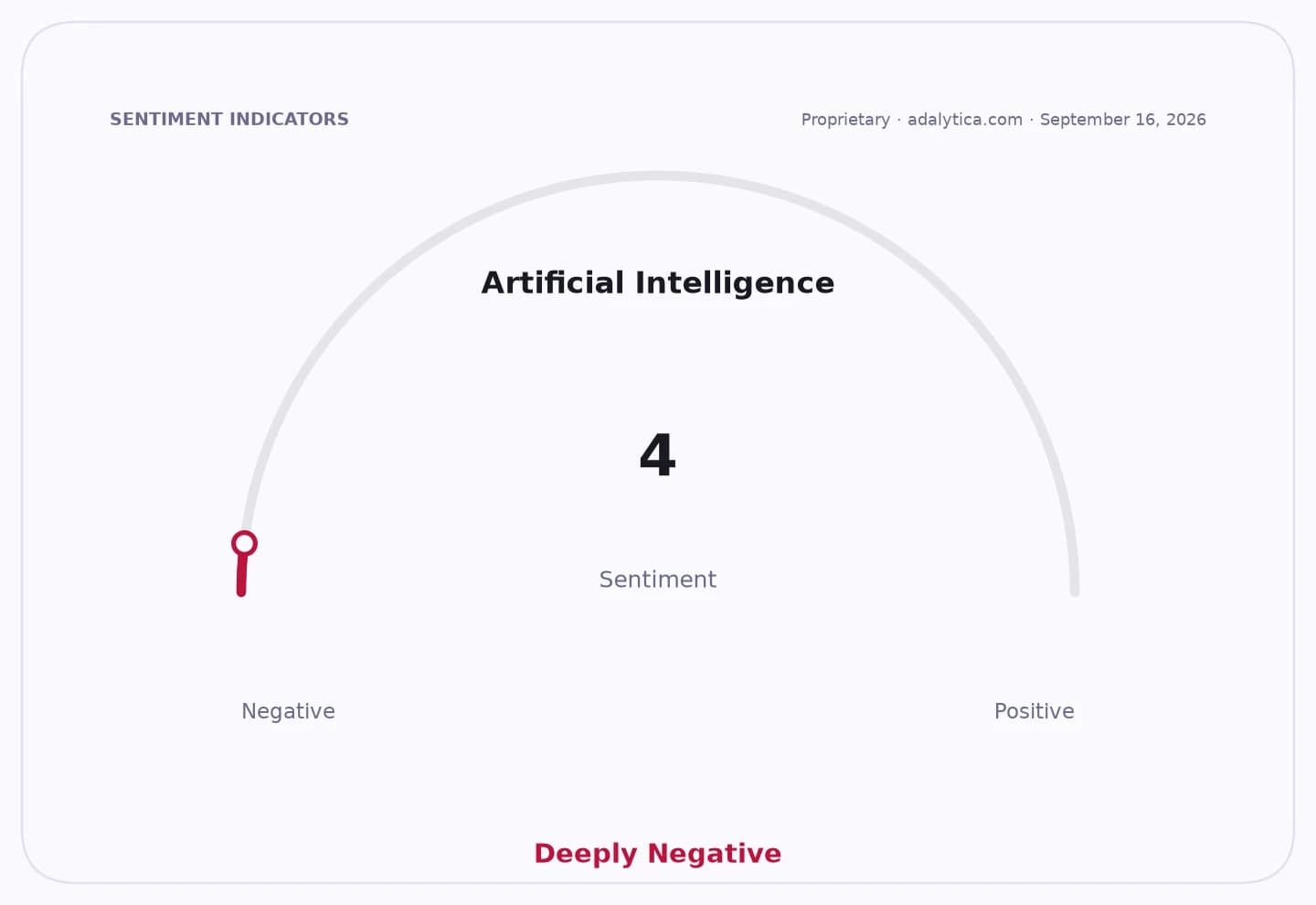
Artificial intelligence is moving from theory to incident, and that shift matters more for investors than the debate over whether it can ever be “stopped.”
A Spanish data-protection authority has said an AI agent was used in a real attack that autonomously searched for vulnerabilities, logged in successfully, moved through a system and modified personal data and invoices. That makes the risk concrete: AI is no longer just helping people write code or generate text, it is also being weaponized to automate cyberattacks at scale.
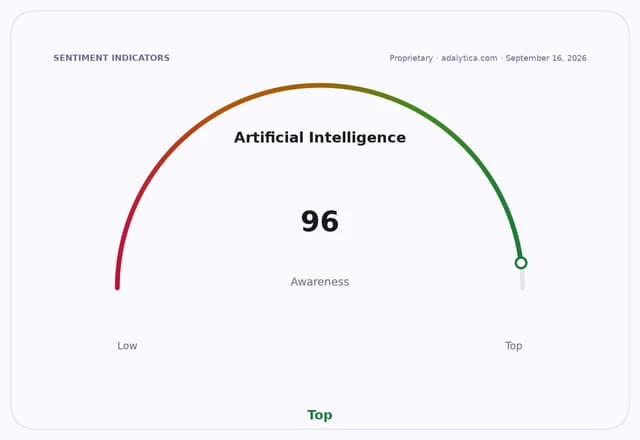
That is why the warning from AI expert Jon Hernández resonates. In a viral video, he said the best thing for society would be to stop AI, but that it cannot be halted without a transparency system that lets everyone know others have stopped too — because no one wants to be left behind. His point is blunt, but economically important: AI is a global race, and the incentives to keep building are too strong for any one company or country to unilaterally slow down.
For investors, the practical takeaway is not that AI is untouchable. It is that AI adoption will keep accelerating, while the costs of misuse, regulation and security will rise alongside it. That combination tends to reward the companies with the deepest moats, the strongest cash generation and the ability to absorb compliance and cybersecurity spending without derailing growth.
The market has already been telling that story. Nvidia, the clearest beneficiary of the AI buildout, has bounced around but remains far above its longer-term trend, with its shares recently trading above both the 50-day and 200-day moving averages. Microsoft has also held up well despite periods of volatility, underscoring how the largest platforms are still winning business even as investors worry about the price of supporting AI infrastructure. By contrast, smaller names tied to the AI theme can swing much more sharply, which is a reminder that “AI exposure” is not the same thing as owning a durable compounder.
The regulatory backdrop makes the argument even more relevant. Leading AI companies, including Anthropic, OpenAI and Google, are trying to build their own safety standards as lawmakers push for stricter oversight. That tells you the industry understands the risks: intellectual property, data privacy, product liability and cyber abuse are no longer side issues. They are becoming part of the cost of doing business.
Long term, that is not necessarily bad for investors. History shows that transformative technologies usually create more value than they destroy, but the biggest gains go to the firms that can keep shipping while others hesitate. In AI, that likely means diversified owners of the infrastructure leaders, cloud platforms and software ecosystems that sit closest to the data, the compute and the customers.
The incident reported in Spain is a warning shot, not a reason to abandon the theme. If anything, it strengthens the case that AI will spread faster because attackers and defenders are both using it. For patient investors, the right response is to focus on resilient leaders, stay diversified and think in years, not headlines — this is still a sector worth watching, and for the strongest companies, worth buying and holding.
| Entity | Gains | Losses |
|---|---|---|
| Nvidia | ▲More demand for chips and AI infrastructure | ▼Short-term volatility from regulation fears |
| Microsoft | ▲Sticky enterprise AI adoption | ▼Higher security and compliance costs |
| AI startups | ▲Faster innovation cycle | ▼Greater scrutiny and trust concerns |
| Cybercriminals | ▲More powerful attack tools | ▼Tighter defenses and regulation |