Nvidia, Microsoft, Alphabet Face AI Pricing Pressure
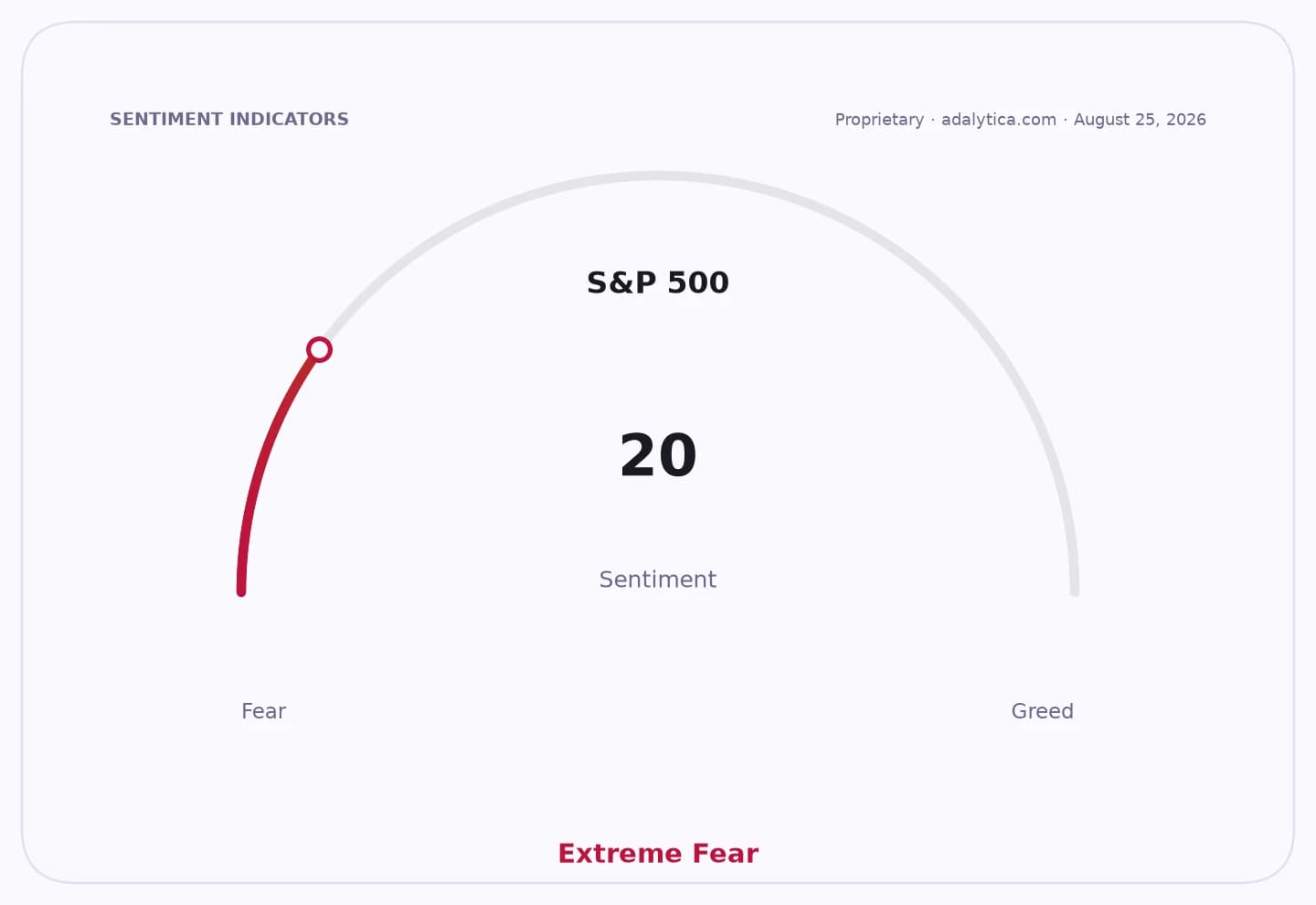
Artificial intelligence is becoming a race to the bottom on pricing, but the bigger market story is that the bottom keeps getting more expensive as the industry burns cash to stay competitive.
That dynamic is now showing up across mega-cap tech and the broader market. Microsoft, Alphabet and Nvidia have all been volatile as investors weigh whether AI demand can keep absorbing rising inference, training and infrastructure costs, while lower-cost AI models are squeezing premium offerings and forcing incumbents to spend more to defend share.
Microsoft closed at $489.84 on Aug. 25, up from $483.24 two sessions earlier, but the stock remains well below its recent highs and still trades with the kind of churn that reflects margin anxiety rather than clean growth enthusiasm. The shares have recovered from a June slide that took them as low as $352.17, when the 14-day RSI dropped to 15.3, but the rebound has not erased the market’s concern that AI investment is still outrunning near-term returns.
Alphabet is showing a similar split. The stock ended at $347.12 on Aug. 25, just under its 50-day moving average of $351.32, with RSI at 32.4 and a flat MACD reading, a technical setup that points to cautious trading rather than conviction buying. Investors are watching whether Google’s AI push can protect search and cloud share without turning into a prolonged margin drain.
Nvidia, the clearest hardware winner from the AI buildout, is also showing that the market is no longer treating AI spend as a one-way trade. The chipmaker finished at $211.91 on Aug. 25, below its 50-day average of $207.78 but still above its 200-day line of $195.26, as traders look past near-term demand and toward whether customers can keep funding the next wave of AI infrastructure at current prices.
That matters for the economy because AI spending is no longer just a growth story; it is a capital-allocation story. Higher pricing pressure in AI services tends to push companies toward heavier infrastructure spending, more aggressive model optimization and lower unit economics, which can lift revenue while compressing returns on invested capital.
Credit markets are already reflecting some of that tension. The average high-yield spread narrowed to 2.69 percentage points on Aug. 24 from 2.75 points two sessions earlier, suggesting investors are not pricing broad stress yet, even as Treasury yields remain near 4.708% in forecast terms for Aug. 24 and the labor market stays relatively stable, with U.S. unemployment forecast at 4.09% for August.
For investors, the message is straightforward: AI remains strategic, but leadership is getting harder to earn. The winners may be the firms with the cheapest compute, the deepest balance sheets and the most scalable distribution, while model makers and app providers face pressure to cut prices faster than they can cut costs.
The next test is earnings and guidance from AI-heavy names, especially Nvidia, Microsoft and Alphabet, where investors will look for proof that demand is still outrunning the industry’s race to the bottom.
| Entity | Gains | Losses |
|---|---|---|
| Nvidia | ▲Hardware demand from AI buildout | ▼Pressure if customers cap spending |
| Microsoft | ▲AI platform usage and cloud demand | ▼Margin strain from AI infrastructure costs |
| Alphabet | ▲Scale in AI and search defense | ▼Pricing pressure from cheaper models |
| AI buyers/enterprises | ▲Lower model prices | ▼Vendors passing on higher capex |