Nvidia, Microsoft, Amazon rise on AI capex demand
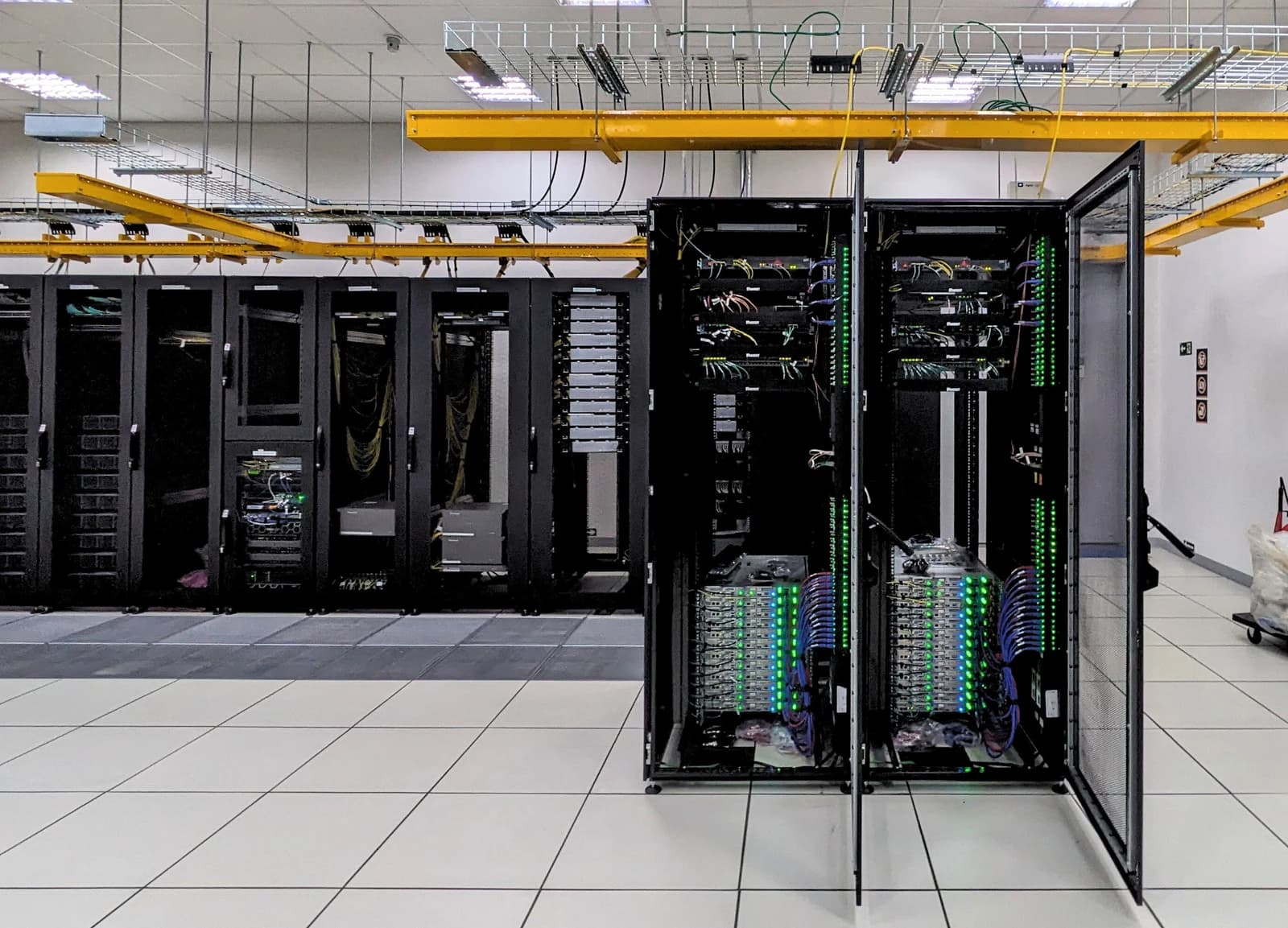
Artificial intelligence is now doing part of the work once attributed to a surging oil market: it is helping keep growth, industrial output and long-duration asset demand elevated even as traditional commodity cycles lose some of their grip on the macro story.
That matters because the latest U.S. data still point to an economy that is expanding rather than stalling. Industrial production is running at 102.99, well above its 2020 trough and still edging higher, while unemployment is holding near 4.1% and the 10-year Treasury yield is around 4.95%. In other words, investors are looking at an economy that is not being carried by cheap energy so much as by capital-intensive spending tied to AI infrastructure, semiconductors and cloud capacity.

The market evidence is clearest in the equity tape. Nvidia closed at $218.29 on Sept. 11, after a recent run that left the stock above both its 50-day and 200-day moving averages, while Microsoft finished at $495.63 and Amazon at $256.78, also trading above their longer-term trend gauges. The moves matter less as short-term price action than as a proxy for where capital is flowing: into the picks-and-shovels of AI buildout, not into the old energy trade.
That shift has implications far beyond the Mag Seven. Microsoft’s filings warn that demand for cloud-based AI products is hard to forecast and that overbuilding could leave infrastructure underused, yet the company is still committing capital at a scale that helps support servers, power equipment, networking gear and construction. Nvidia disclosed $36 billion in six-year commitments tied to capacity, land, power and shell infrastructure, underlining how AI spending is bleeding into the real economy. Oracle and Amazon are making similar moves, which helps explain why industrial production can hold up even as the market narrative turns away from oil dependence and toward electricity, data centers and chips.
For investors, the question is whether AI is replacing oil as the market’s key cyclical support or simply delaying the moment when heavy spending turns into margin pressure. The bull case is that AI capex keeps pulling through demand for semiconductors, cloud services, electrical equipment and industrial buildout, sustaining earnings growth even if energy prices stay contained. The bear case is that the same spending eventually runs into capacity constraints, higher financing costs and weaker returns on invested capital if utilization disappoints.
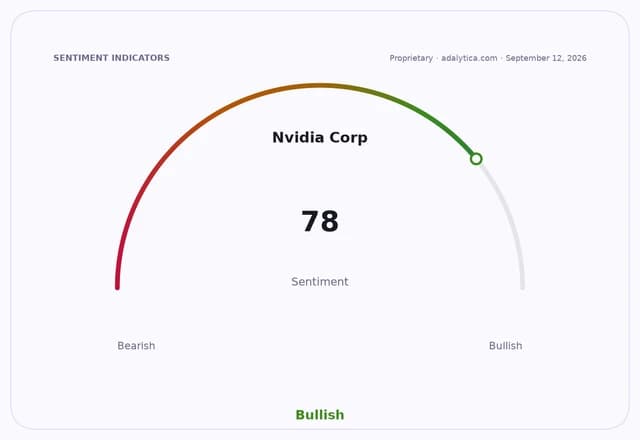
The Adalytica AI sentiment snapshot shows the backdrop is fragile even as interest remains intense: sentiment has dropped to 4, labeled “Extreme Fear,” from 81 on a 30-day basis in the broader AI gauge, while awareness remains high at 81. For the S&P 500, trade signals are also deep in “Extreme Fear,” suggesting investors are not pricing AI optimism in a straight line, but through a volatile mix of enthusiasm, valuation risk and macro uncertainty.
In that sense, the oil question is less about crude disappearing from the economy than about what now drives marginal growth. Right now, it is AI spending — and the power, chips and infrastructure behind it — that is carrying much of the narrative investors care about. The next test is whether that capital spending translates into durable earnings, or whether it becomes another expensive cycle before the payoff arrives.
| Entity | Gains | Losses |
|---|---|---|
| AI infrastructure builders | ▲More capex, stronger order flow | ▼Execution and utilization risk |
| Nvidia and chip suppliers | ▲Rising demand for accelerators | ▼Valuation compression if growth slows |
| Microsoft, Amazon, Oracle | ▲Cloud AI revenue opportunity | ▼Margin pressure from heavy investment |
| Oil-linked cyclicals | ▲Less central to growth narrative | ▼Reduced market leadership |