Nvidia, Microsoft at risk from Gulf AI buildout threats
Iran’s warning that it could hit Gulf states if the United States launches more strikes is forcing investors to confront a new vulnerability in one of the market’s fastest-growing capex themes: the sprawling data centers, AI campuses and power infrastructure being built across the Gulf.
That matters because the Gulf is no longer just an oil story. It is becoming a strategic node in the global AI supply chain, with sovereign wealth funds, hyperscalers and chip vendors using the region’s cheap energy, available land and capital to build the compute backbone of the next technology cycle. A sustained escalation would not just raise security premiums; it could slow project timelines, lift insurance and financing costs, and shift capital away from the region’s AI buildout just as the market is beginning to price in multi-year demand.
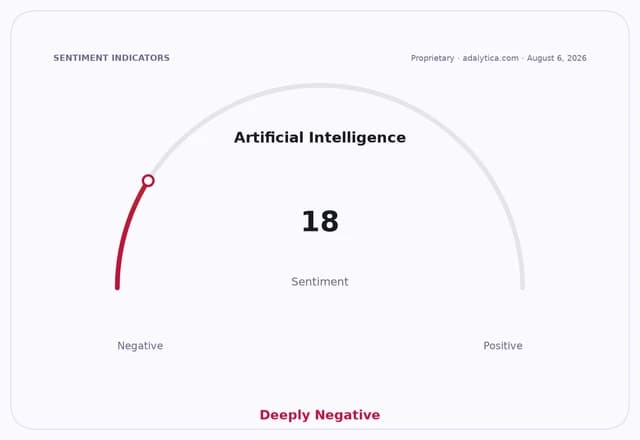
The immediate catalyst is geopolitical, but the economic effect runs much deeper. Gulf governments have spent heavily to diversify away from hydrocarbons and toward digital infrastructure, pairing energy abundance with AI ambition. That makes regional stability critical not only for local growth but also for global investors looking for alternatives to crowded U.S. megacap tech trades. If missile threats intensify, the market will have to discount execution risk across the entire stack — from land and power developers to networking gear, semiconductors and cloud capacity.
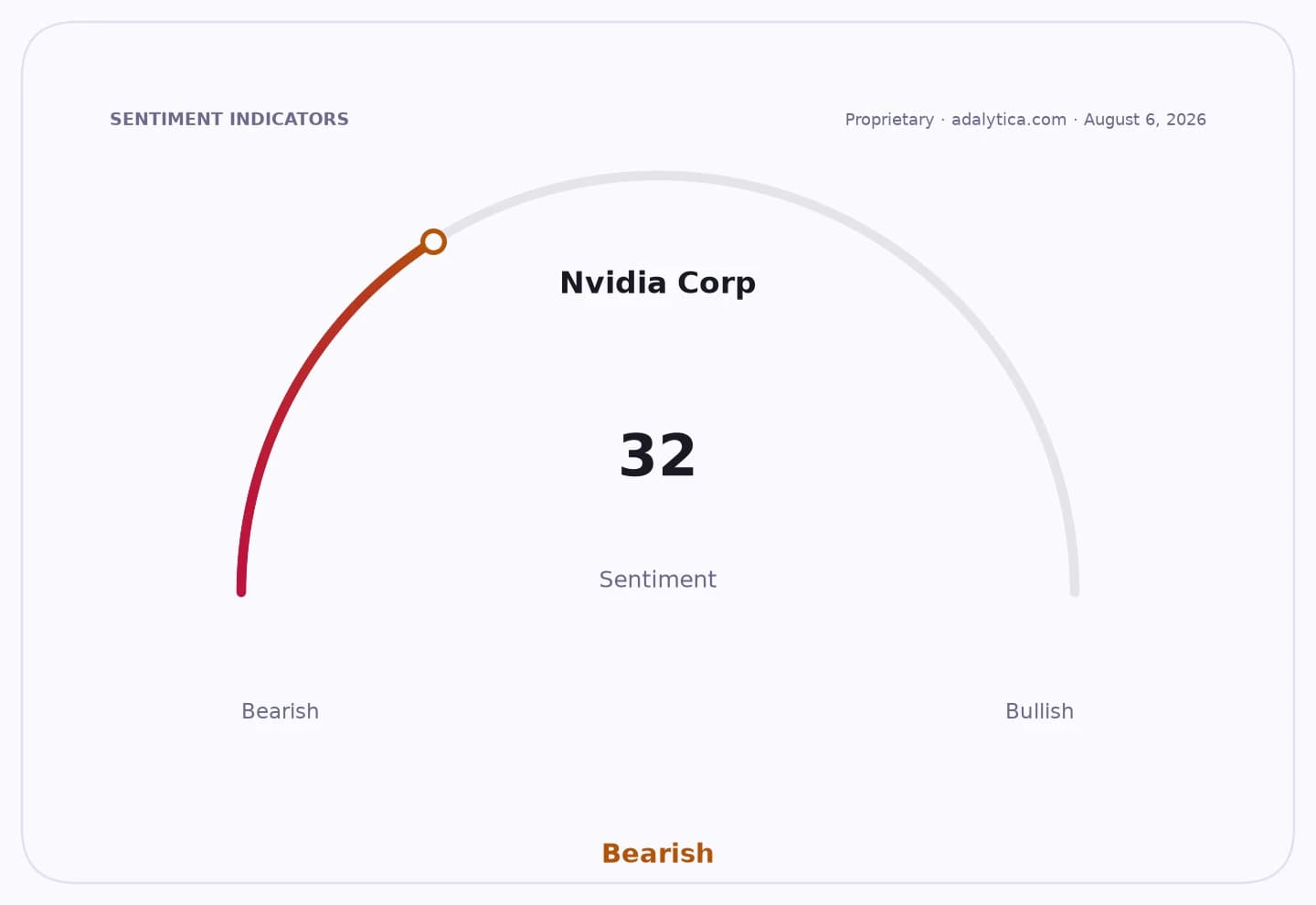
Nvidia is the clearest barometer of that trade. The stock has surged to $219.22, well above its 50-day moving average of $205.73, and the recent rebound has pushed its RSI to 58.9, reflecting strong momentum. But the bigger issue is not the next quarter’s tape action; it is whether geopolitical risk starts to interfere with the geographic diversification of AI infrastructure. If Gulf deployments are delayed, some demand may simply shift back to the U.S. and allied markets, where power constraints are already tight but security risk is lower.
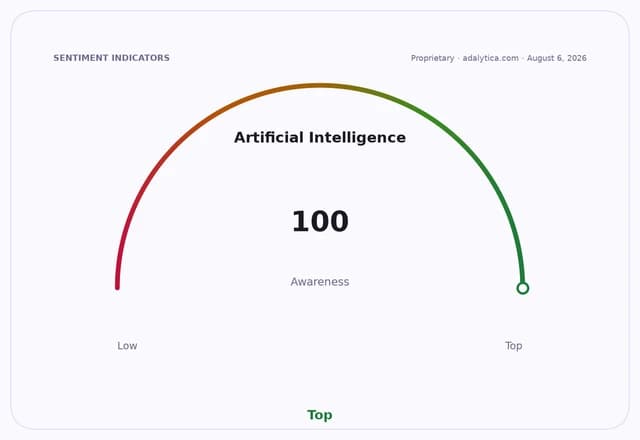
Microsoft is also exposed through its global cloud expansion. Its shares have climbed to $487.65, far above the 200-day moving average of $432.14, showing that investors are still rewarding AI infrastructure spending. That spending thesis remains intact, but the Gulf adds a new geopolitical layer: the market underestimates how quickly a security shock can change the economics of long-duration infrastructure projects. Higher risk-free project returns, tougher underwriting and more expensive protection all eat into the economics that have made the region attractive.
Smaller AI names are already showing how fragile sentiment can be when the market worries about the durability of the spending cycle. C3.ai has rallied from deep lows, but its stock at $9.91 remains below its 200-day average of $11.32, underscoring how selective investors are becoming. In a world where Gulf AI campuses face higher geopolitical friction, the winners are likely to be the picks-and-shovels suppliers with broad geographic exposure and the balance sheets to absorb volatility.
The market’s mistake is assuming the Gulf AI buildout is a simple capital-spending story. It is actually a geopolitical infrastructure story. If Iran’s threat edge turns into a durable risk premium, the winners will be the companies selling compute, power and security into safer jurisdictions, while the losers will be regional projects that depend on uninterrupted construction, cheap capital and long planning horizons. For investors, that argues for staying with the AI infrastructure trade — but concentrating on the beneficiaries least exposed to Gulf disruption and most exposed to the global capex wave that follows.
| Entity | Gains | Losses |
|---|---|---|
| U.S. hyperscalers and chipmakers | ▲Safer AI demand reroutes | ▼Gulf project delays |
| Gulf AI developers | ▲Cheap-energy thesis | ▼Higher security and financing costs |
| Nvidia, Microsoft suppliers | ▲Demand shifts to other regions | ▼Execution risk in the Gulf |
| Iran and regional proxies | ▲Deterrence leverage | ▼Wider U.S. retaliation risk |