Nvidia PAIR Brings Local AI To Home PCs
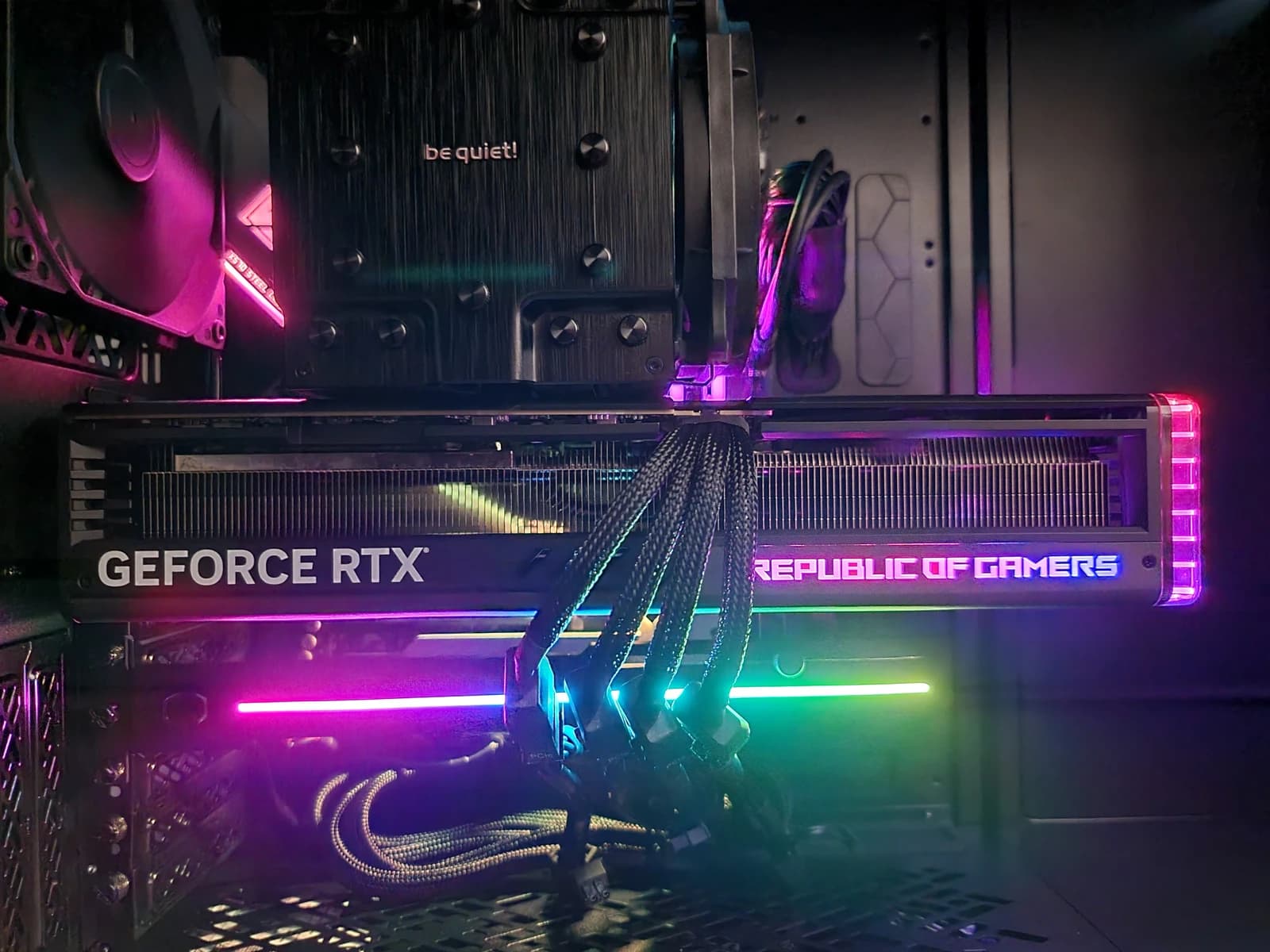
Nvidia has unveiled free open-source software that could let households run more of their AI workloads locally, reducing reliance on cloud subscriptions and expensive single-machine setups at a time when investors are already weighing whether the next phase of AI growth will come from software adoption, not just data-center spending.
The product, called PAIR, short for Personal AI Router, turns multiple computers on a home network into a coordinated pool that splits up AI tasks and runs them in parallel. Nvidia said the software can work across GeForce RTX 20-series cards and newer, RTX Pro GPUs, DGX Spark systems and even Macs with Apple’s M4 chip or later, widening the addressable base beyond the company’s traditional gaming and workstation customers. Once the models are downloaded, the system can operate without an internet connection, keeping data inside the home network.
That matters economically because it pushes AI closer to a consumer model that is lower cost, less centralized and potentially more privacy-friendly than the cloud-heavy approach that has dominated the first wave of adoption. For users, the appeal is obvious: instead of paying for a recurring subscription or buying one very powerful machine, they can lean on hardware they already own. For Nvidia, the bet is that broader utility for its GPUs will sustain demand across more price points and more use cases, even as the company’s core revenue engine remains the data center.
The move also fits a bigger industry shift toward agentic AI, where systems are expected to complete longer, more complex tasks rather than answer isolated prompts. That creates a technical case for distributed local compute, since workloads can be broken into smaller pieces and spread across devices. Nvidia is effectively trying to extend its platform from the server rack to the living room, giving developers an open-source framework that could increase attachment to its hardware while normalizing local inference.
Investors will read the announcement in two ways. The bull case is that Nvidia is widening its moat by making its ecosystem useful beyond hyperscale customers, supporting GPU upgrade cycles and creating another path for AI monetization as consumer and prosumer workloads grow. The bear case is that free local software could encourage more inference to happen outside the cloud, where pricing power and recurring revenue are weaker, and that the market may continue to question how much incremental growth comes from consumer AI versus enterprise infrastructure.
The broader backdrop is a market that has increasingly rewarded Nvidia for every sign that AI demand remains broad-based, but also one where investors are looking for evidence of durable end-user adoption. PAIR does not replace the company’s cloud and data-center strategy; it complements it by trying to ensure Nvidia hardware stays relevant as AI moves from training large models to running them cheaply and privately at the edge. The key question now is whether consumers and developers embrace local AI as a practical alternative, or whether the idea remains a niche for power users.
| Entity | Gains | Losses |
|---|---|---|
| Nvidia | ▲Wider GPU ecosystem | ▼Some cloud inference revenue |
| Consumers | ▲Lower-cost local AI | ▼Less managed convenience |
| Cloud providers | ▲Fewer new workloads | ▼Recurring usage growth |
| PC makers / GPU buyers | ▲New upgrade incentive | ▼Simpler single-device setups |