Nvidia revenue tops $96 billion on AI demand
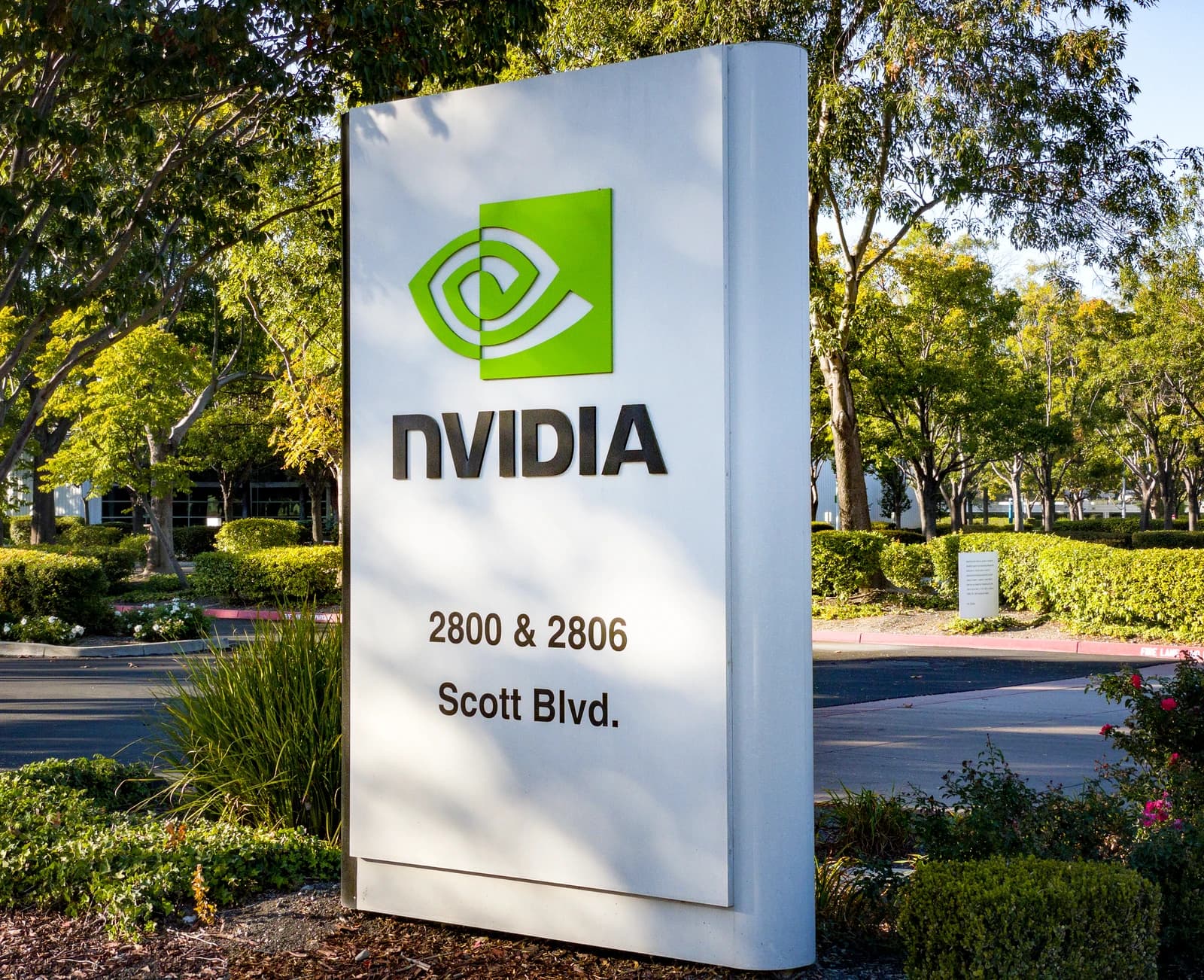
Nvidia posted more than $96 billion in annual sales as demand for AI computing capacity kept surging, underscoring how the race to build data centers has become one of the defining capital-allocation stories in global markets.
The chipmaker’s revenue more than doubled from the prior year, while its data center division grew 117%, a pace that shows customers are still scrambling for the processors, networking gear and systems needed to train and run artificial intelligence models. For investors, the result is evidence that the AI buildout has not yet peaked and that spending by the biggest cloud operators remains powerful enough to support another year of outsized growth in the semiconductor supply chain.

Nvidia’s latest filing also showed the scale of its forward commitments rising sharply, with supply and capacity commitments increasing to $279 billion from $119 billion in the previous quarter, a sign that the company is locking in manufacturing, packaging and infrastructure well ahead of delivery. That matters economically because AI infrastructure is now feeding into capital expenditure across chips, cloud computing, power, networking and construction, helping offset weakness in more cyclical corners of technology and manufacturing.
The earnings backdrop is unusually important for the broader market because Nvidia has become a proxy for the durability of the AI trade. Microsoft and Amazon, both major customers and competitors in cloud infrastructure, have continued to pour money into their own AI and server buildouts, and their filings point to the same conclusion: demand for cloud and AI services is still forcing large-scale investment. SK Telecom’s restructuring of its AI data center business into a dedicated unit reflects the same global pattern, with companies specializing operations to capture the economics of a fast-expanding infrastructure market.

That leaves investors weighing two competing narratives. The bull case is that AI spending remains in the early stages of a multi-year cycle, with Nvidia still constrained more by supply and delivery timing than by end-demand. The bear case is that the pace of capital formation is so intense that any slowdown in cloud returns, enterprise adoption or model training demand could eventually leave the sector vulnerable to a digestion phase. Nvidia’s own disclosures about production complexity, extended customer payment terms and large commitments reinforce that the path from orders to cash flow is not frictionless.
For now, the market is rewarding scale, not caution. Nvidia’s shares have been trading well above long-term trend levels, and the stock’s recent recovery has kept it near the top of the mega-cap technology complex, while Microsoft and Amazon have also stabilized after sharp swings earlier in the year. Conventional technical indicators such as the 50-day moving average and RSI readings show the group remains in a constructive, though volatile, phase rather than a clear breakout.
The bigger implication is that AI infrastructure is still acting as a growth engine for the U.S. economy and for equity markets even as other sectors face slower demand. The key question for the next several quarters is whether Nvidia can keep converting explosive order growth into sustained free cash flow without a meaningful pause in customer spending. If it can, the AI capex cycle may prove longer and larger than many investors expected. If it cannot, the first sign of strain is likely to show up not in demand, but in the timing of deliveries, margins and inventory.
| Entity | Gains | Losses |
|---|---|---|
| Nvidia | ▲surging AI demand | ▼supply-chain complexity |
| Microsoft | ▲cloud AI monetization | ▼higher capex burden |
| Amazon | ▲AWS infrastructure growth | ▼margin pressure from investment |
| AI chip rivals | ▲sector tailwind | ▼share loss to Nvidia |