NVIDIA RTX Spark local AI laptops in October
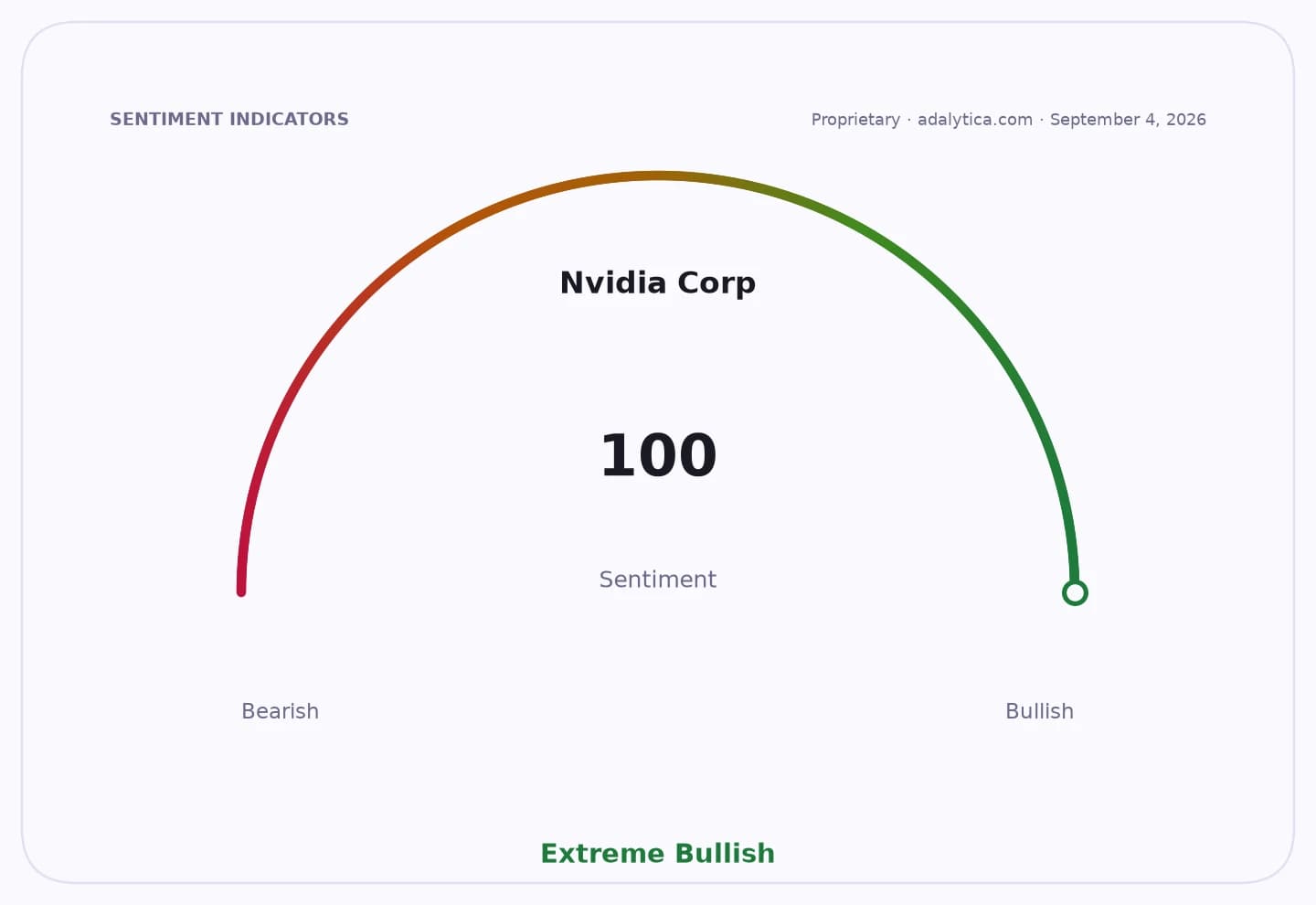
NVIDIA is preparing to bring local AI models and agents into mainstream Windows laptops in October, a shift that could redraw how personal computers are built, sold and used.
The company’s RTX Spark platform is aimed at moving more AI work off the cloud and onto the device itself, a change with implications for privacy, latency, software design and hardware spending across the PC ecosystem. If NVIDIA can deliver desktop-class AI performance in portable systems, it could accelerate a new upgrade cycle in premium PCs and deepen its influence over both consumer and enterprise computing.
RTX Spark is built around a Grace CPU paired with a Blackwell-based GPU and can scale to 20 CPU cores, 6,144 GPU cores and as much as 128 gigabytes of unified memory, according to the company. NVIDIA says the system can reach up to 1 petaflop of FP4 AI performance and support local execution of language models with as many as 120 billion parameters in some scenarios, including context windows of up to one million tokens.
That matters economically because it shifts demand toward higher-value hardware rather than commodity PCs. Unified memory and integrated AI acceleration require more expensive configurations, which supports average selling prices for NVIDIA’s partners and potentially expands margins for the chipmaker and its ecosystem. For users, the attraction is simpler: faster responses, less dependence on remote servers and fewer data transfers to the cloud for routine AI tasks.
The launch also highlights a strategic contest over where AI runs. Apple has been pushing local AI on Mac devices with its own silicon, while NVIDIA is trying to offer a Windows-based alternative that combines RTX graphics, CUDA software and AI inference on the same machine. The competition is not just about raw speed; it is about who controls the next generation of personal computing, and whether the PC becomes a true on-device AI appliance rather than a thin client to cloud services.
For investors, the stakes extend beyond NVIDIA. A successful rollout would be a positive for laptop makers such as Lenovo, Acer, ASUS, Dell, HP, Microsoft Surface and MSI if the products spur premium upgrades. Lenovo has already shown Yoga Pro 9n and Yoga 9n 2-in-1 models, while Acer displayed a compact desktop based on RTX Spark. NVIDIA says six manufacturers have systems slated for October.
The bear case is that pricing could limit adoption. NVIDIA has not disclosed commercial pricing, and configurations with up to 128 gigabytes of unified memory suggest the first wave will sit firmly in the premium tier. That would make RTX Spark more of a showcase for AI-capable PCs than an immediate mass-market shift.
Still, the direction is clear. NVIDIA is trying to make the laptop itself the AI endpoint, not just a window into the cloud. If it lands at a workable price, RTX Spark could become one of the most important hardware bets yet on local AI computing.
| Entity | Gains | Losses |
|---|---|---|
| NVIDIA | ▲Higher-value platform sales | ▼Commodity PC dependence |
| PC makers | ▲Premium upgrade cycle | ▼Low-end laptop margins |
| Cloud AI providers | ▲— | ▼Some inference traffic |
| Users focused on privacy/latency | ▲Local processing | ▼Lower-cost basic PCs |