Nvidia Shares Rebound on AI Spending
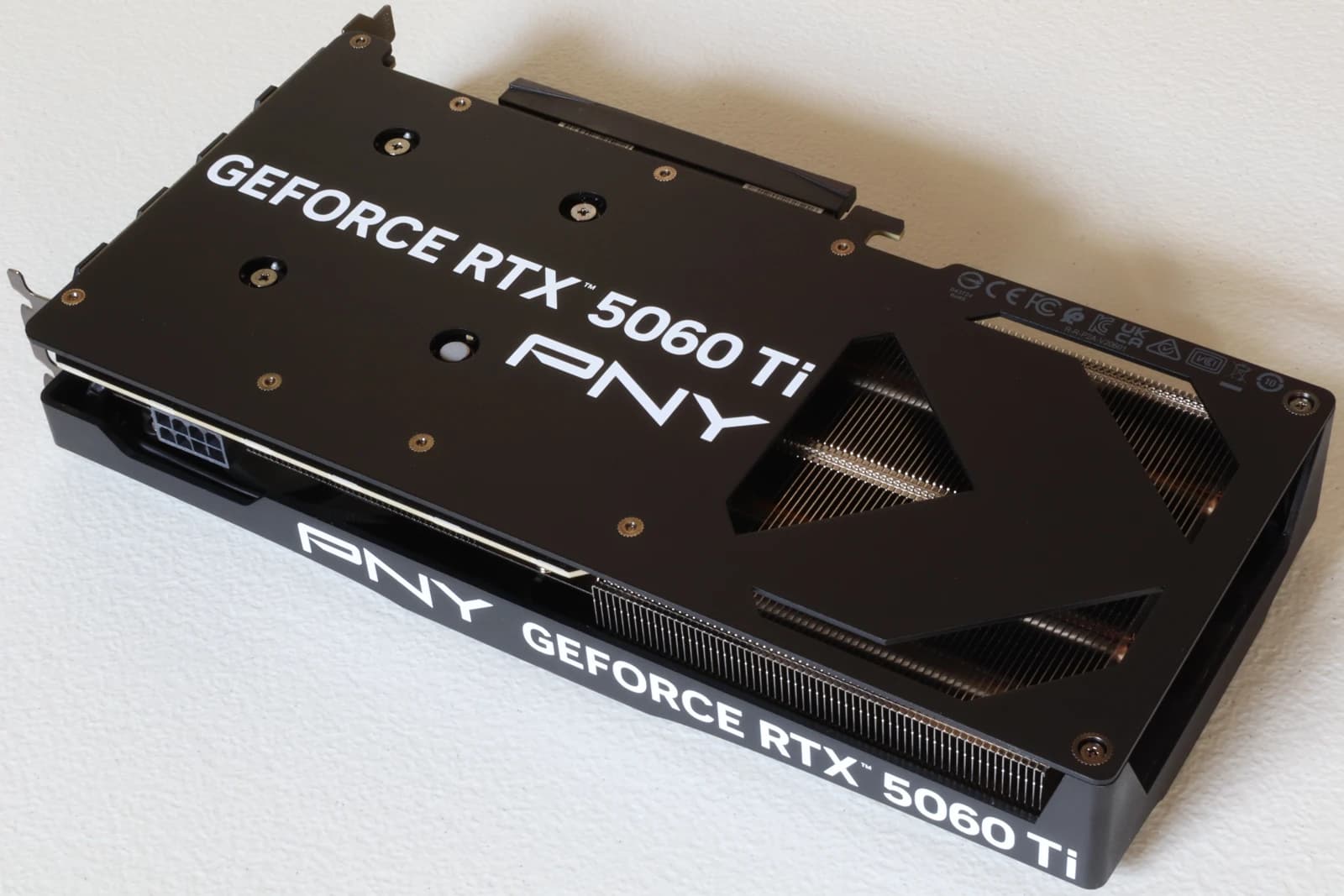
Nvidia has regained its footing after a volatile stretch, but the market is now valuing the chipmaker as one of the clearest high-reward, high-risk bets in global equities as AI spending keeps absorbing capital across the semiconductor complex.
The stock closed at $225.73 on Sept. 8, up from $176.97 in late February and near the top of its recent trading range, while its 50-day moving average at $211.23 sits well above the 200-day average of $196.75. That positioning suggests momentum has rebuilt after the spring pullback, even if the shares remain just below the upper Bollinger Band around $232.95. Conventional technical indicators also show the stock has recovered from oversold conditions earlier this year, with RSI climbing from 30 in November to 54.2 most recently.
What matters for investors is not just the rebound, but the valuation and expectation reset behind it. Nvidia’s rally has been reinforced by a broader AI trade that remains powerful but increasingly crowded, with the semiconductor ETF SOXX rising sharply over the past year and peers such as AMD also participating in the move. Yet the market is no longer pricing Nvidia as a simple growth story. It is treating the stock as the most direct expression of AI infrastructure demand, where upside depends on sustained hyperscaler and enterprise capital expenditure, while downside is tied to export controls, competitive intensity and any deceleration in data-center orders.
That tension is visible in the company’s own filings. Nvidia said in its latest 10-Q that export controls have disrupted, and could further disrupt, supply chains and distribution channels, including outside China and for non-data-center products. Those restrictions matter because they limit the reach of a business that has become increasingly dependent on global demand for accelerated computing. They also create a more uneven revenue path just as investors are paying a premium for durability in AI earnings.
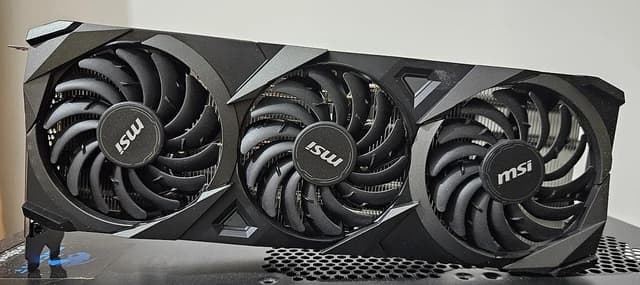
Market sentiment around Nvidia is unusually hot. Adalytica’s earnings sentiment gauge shows “Extreme Greed” at 96, up 19 points over seven days and 27 points over 30 days. That helps explain why the stock has held up even as the broader semiconductor group has become more volatile. But it also raises the bar: when sentiment is this elevated, any evidence of slower order growth, margin pressure or delayed product cycles can trigger a sharper de-rating than the business fundamentals alone might justify.
The bull case is straightforward. Nvidia remains the dominant supplier to AI training and inference, with pricing power, ecosystem control and scale advantages that peers have struggled to match. If cloud and sovereign AI spending stays strong into next year, the company can keep compounding earnings even after a major share-price run.
The bear case is equally clear. At current levels, the stock leaves less room for error, and the risks are not abstract. Export restrictions, customer concentration and competition from AMD and custom silicon efforts could all squeeze the multiple if the AI capex cycle cools or shifts toward lower-margin deployment.
For investors, the key question is no longer whether Nvidia benefits from AI spending. It is how much of that future is already in the price, and whether the next leg of growth can justify what has become one of the market’s most expensive consensus trades.
| Entity | Gains | Losses |
|---|---|---|
| Nvidia shareholders | ▲AI upside leverage | ▼Higher valuation risk |
| AI infrastructure buyers | ▲Faster compute access | ▼Heavy capital outlays |
| AMD and peers | ▲Sector re-rating spillover | ▼Nvidia’s dominance |
| Short sellers | ▲Volatility opportunities | ▼Momentum-driven losses |