Nvidia Taiwan Export Probe Raises China Risk
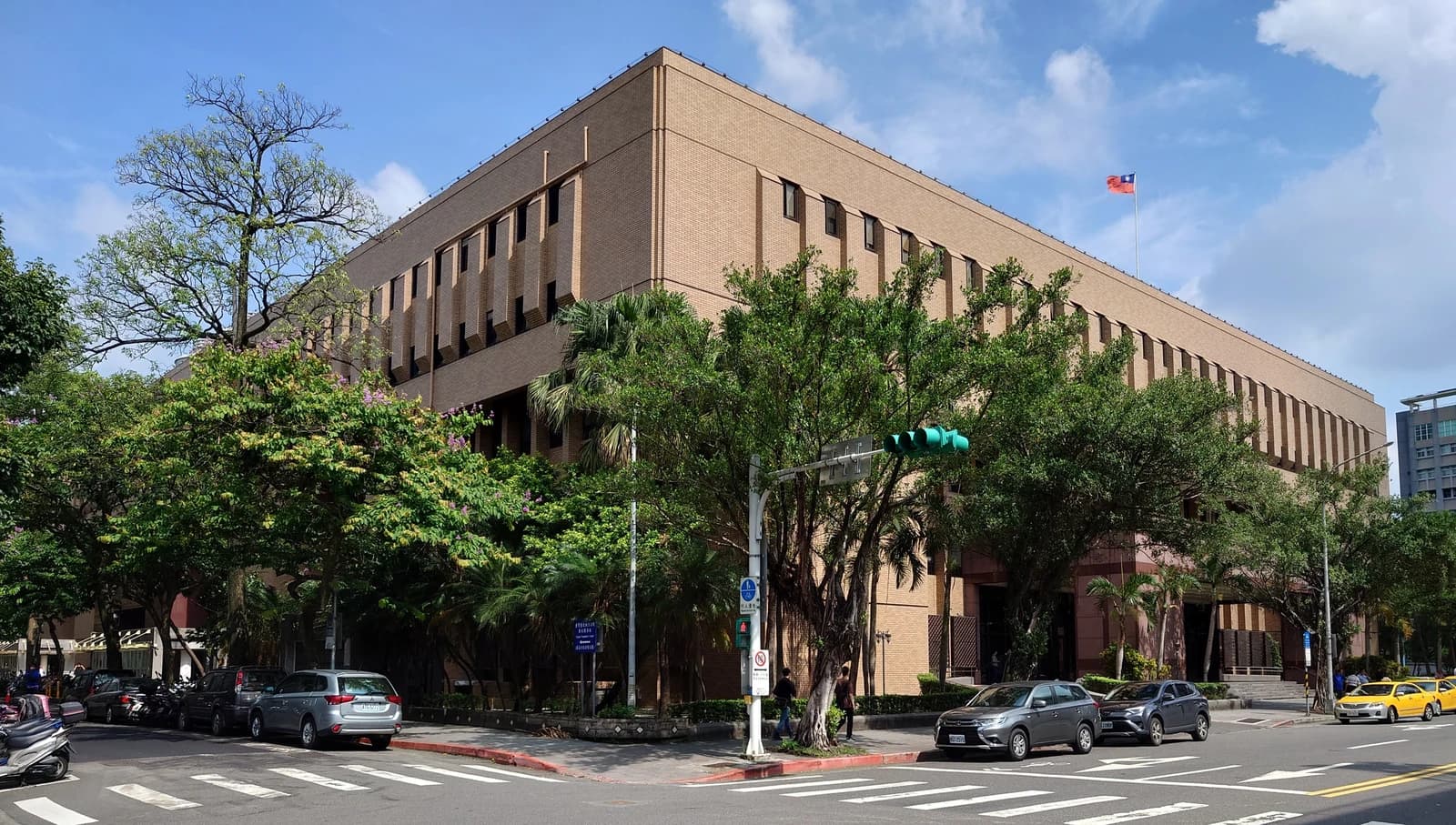
Taiwan’s indictment of an Nvidia manager over alleged illegal server exports to China is a reminder that the world’s most valuable AI trade is still being shaped as much by geopolitics as by product demand.
That matters because AI servers sit at the center of the semiconductor supply chain: they pull in Nvidia accelerators, rely on TSMC-made chips and depend on a web of packaging, assembly and logistics that can be disrupted by export controls. If authorities are willing to prosecute alleged workarounds, it raises the cost of moving advanced compute hardware into China and reinforces the idea that access to cutting-edge AI infrastructure is becoming a regulated privilege, not an open market.
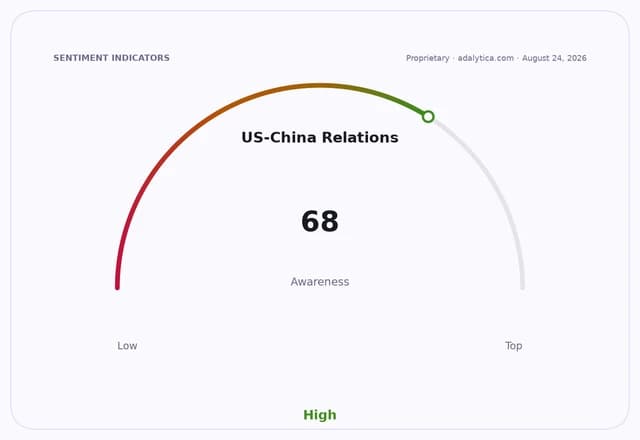
For Nvidia investors, the immediate issue is not just one indictment. It is the recurring risk that China-related sales, routing and compliance questions can inject friction into a business still trying to monetize huge global AI demand. Nvidia shares were trading around $208.48 on Monday, above the 50-day moving average of about $207.65 and well above the 200-day average of roughly $195.17, but the stock has pulled back from recent highs as investors weigh how much growth can still flow through China under tighter scrutiny. The latest price action suggests the market is still optimistic about the long-term AI story, while recognizing that geopolitics can interrupt the path.
The stakes are broader than Nvidia alone. Taiwan is home to the manufacturing backbone that powers much of the AI boom, and any enforcement action tied to chip or server exports underscores how exposed the sector is to cross-strait politics and U.S.-China technology tensions. Even as Washington has shown selective willingness to ease some restrictions, the operating reality for suppliers is that every shipment linked to China now carries greater legal, regulatory and reputational risk.
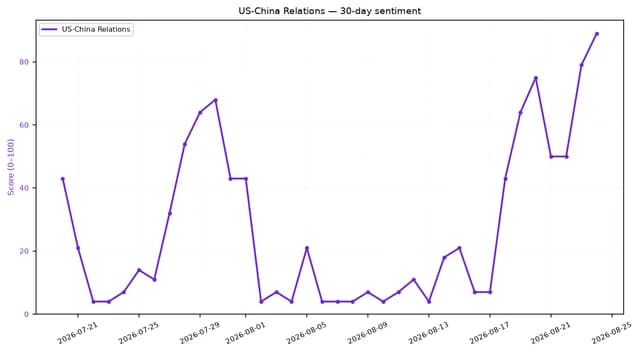
For long-term investors, that does not break the Nvidia thesis. It does, however, strengthen the case for patience and diversification. The AI buildout remains intact, but the winners will be the companies with the strongest compliance systems, the deepest manufacturing relationships and the ability to keep shipping through a more fragmented global market. This is exactly the kind of headline that can create volatility without changing the secular opportunity. Worth watching, but not a reason to abandon a quality AI leader if your horizon is measured in years.
| Entity | Gains | Losses |
|---|---|---|
| Taiwan regulators | ▲Enforcement credibility | ▼Faster cross-border trade |
| Nvidia | ▲Long-term compliance clarity | ▼China-linked flexibility |
| TSMC and suppliers | ▲Tighter control environment | ▼Routing-related uncertainty |
| China buyers | ▲Limited access to advanced servers | ▼Cheaper supply options |