Nvidia, TSMC, Alibaba Hit by US-China Chip Tensions
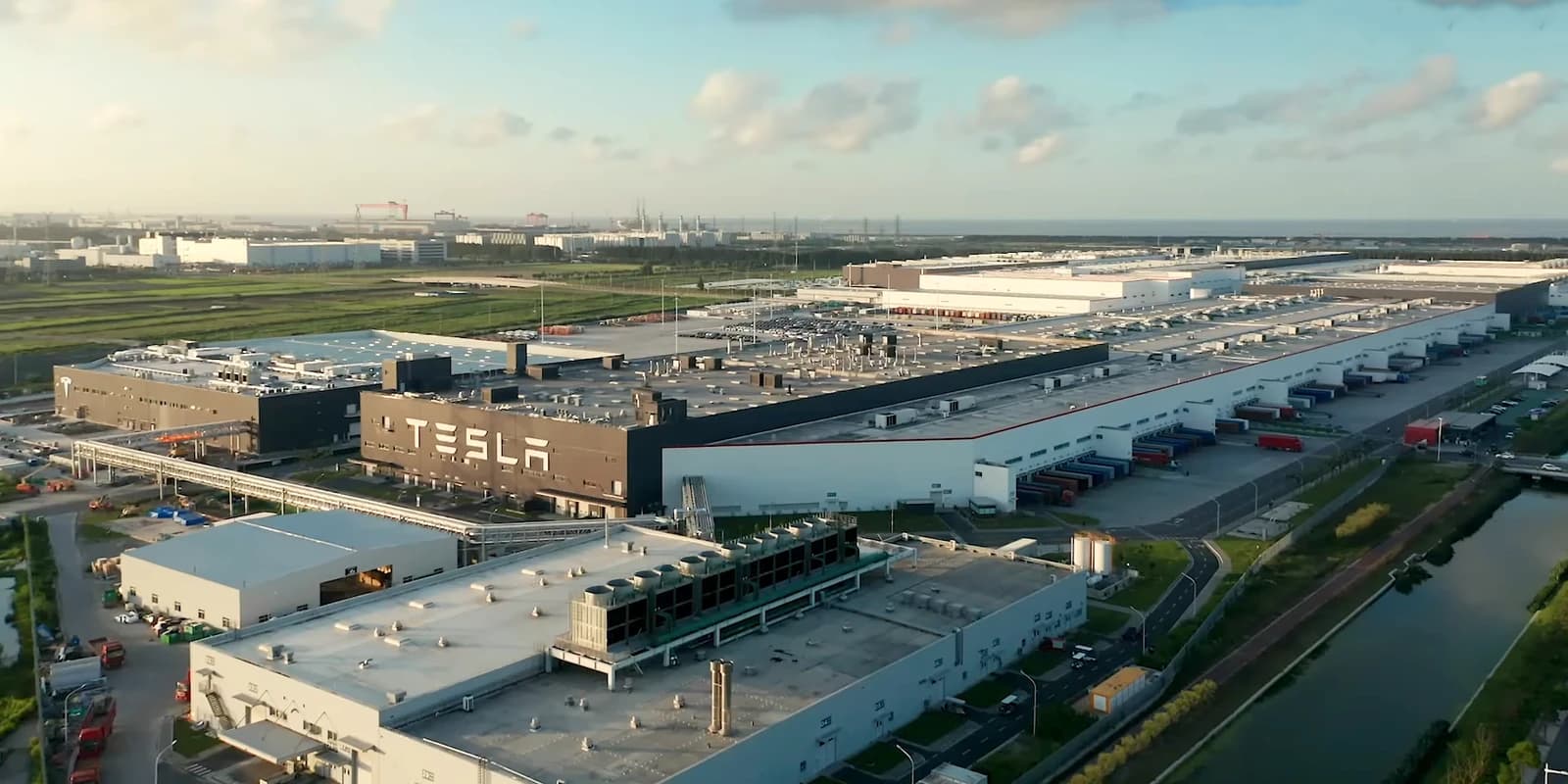
US-China technology tensions are putting renewed pressure on the chip trade, with Taiwan Semiconductor Manufacturing, Nvidia and Alibaba all under strain as Washington and Beijing step up competition to control advanced semiconductors and AI infrastructure.
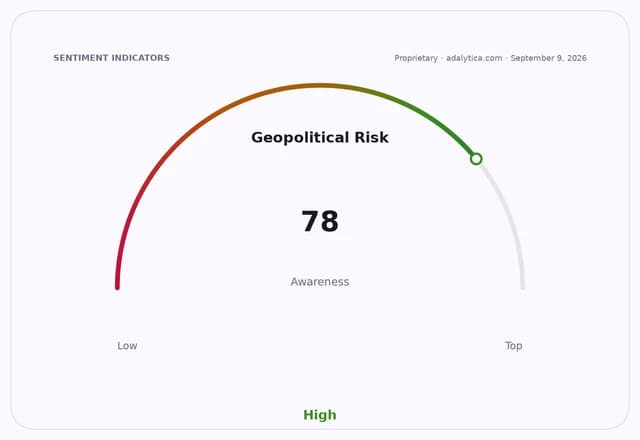
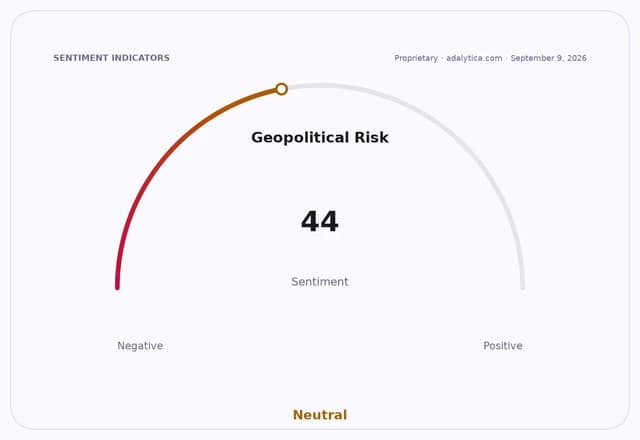
The market reaction shows investors are treating export controls, supply-chain restrictions and geopolitical friction as a direct earnings risk, not just a headline risk. Adalytica’s US-China Relations Sentiment gauge is at 100, or “Extreme Greed,” even as its awareness reading sits at 4, a split that points to intense market focus on the rivalry with little confidence in a near-term resolution.
Nvidia is the clearest policy casualty. The stock last traded at $225.73, down from $230.36 on Sept. 4, and has fallen from a recent peak near $235.47 in mid-May, as investors weigh the hit from restrictions on sales to China and the risk of further curbs on AI chips. In its latest filing, the company said export controls have affected demand and could continue to do so, while also warning they may disrupt supply chains and distribution.
That matters because China remains one of the largest battlegrounds for AI hardware demand, and any further tightening would leave Nvidia more exposed to slower sales growth and potentially excess inventory. The stock remains well above its 200-day moving average, but the recent pullback and middling momentum suggest investors are no longer assigning a straight-line growth story to the China market.
Taiwan Semiconductor, by contrast, is holding up better, with shares at $439, near the upper end of their recent range and above both the 50-day and 200-day moving averages. The company is central to the global chip supply chain, so any escalation in US-China tech controls would matter for order flow, capacity allocation and long-term demand from both Western and Chinese customers.
Alibaba is the weakest of the three, with its US-listed shares at $112.66, below both the 50-day and 200-day moving averages and near the lower end of its recent band. The stock’s decline reflects not just domestic competition and growth concerns, but also the risk that Beijing’s response to US pressure could further complicate access to foreign chips and cloud infrastructure.
The broader economic stakes are bigger than any one company. The rivalry is reshaping capital spending, semiconductor routing and AI deployment across the US and Asia, with investors increasingly forced to price in policy-driven volatility rather than just cyclical demand. Any sign of tariff cuts, export-license easing or a Trump-Xi meeting could spark a relief rally, but until then, chipmakers and China-linked tech names remain hostage to the next policy headline.
| Entity | Gains | Losses |
|---|---|---|
| TSMC | ▲Foundry demand outside China | ▼China-related policy risk |
| Nvidia | ▲AI demand outside China | ▼China chip sales |
| Alibaba | ▲Domestic tech autonomy push | ▼Foreign chip access risk |