Nvidia, TSMC, ASML in Taiwan AI Supply Chain
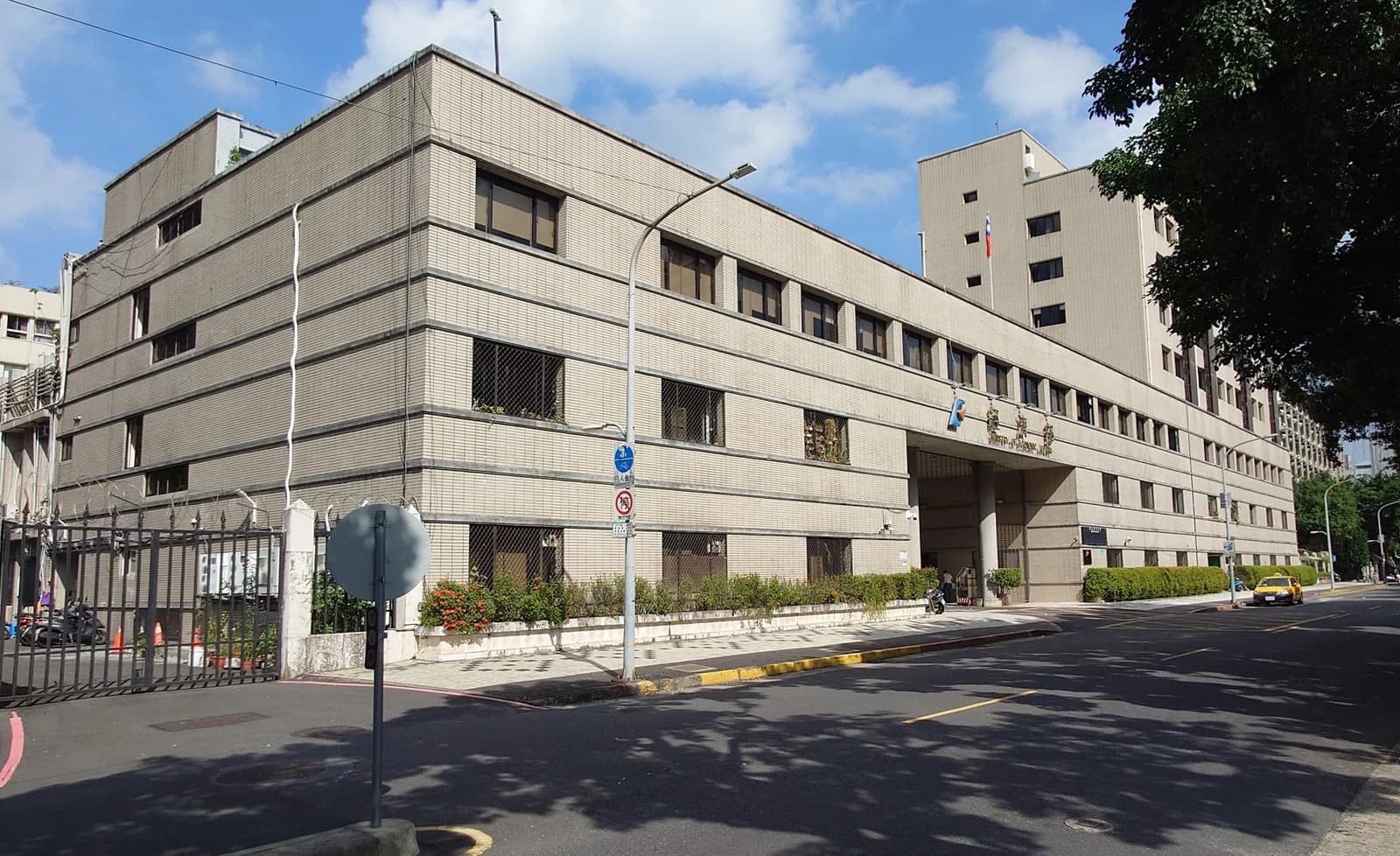
Big tech’s gathering in Taiwan underscores the single most important investment story in technology right now: the scramble to secure the chips, tools and manufacturing capacity needed to build out AI infrastructure at scale. For investors, that matters because the winners are not just the software giants spending the money, but the suppliers sitting at the bottleneck of the global AI supply chain.
The economics are straightforward. AI demand is forcing companies to pour capital into data centers, advanced semiconductors and the specialized equipment needed to make them. That spending is already rippling through the broader tech ecosystem, lifting orders for chip designers, foundries and equipment makers while also pushing up costs for energy, electronics and software — a growing squeeze some are calling “AI-flation.” In other words, the buildout is huge, but so is the bill.
Alphabet has said it plans to spend as much as $205 billion this year on AI infrastructure to support billions of users and ad growth. Saudi Energy has also signed agreements to bolster digital infrastructure for data and AI centers, showing how the race is spreading far beyond Silicon Valley. The message from Taiwan is that this is no longer a niche cloud-computing theme; it is becoming a global industrial project.
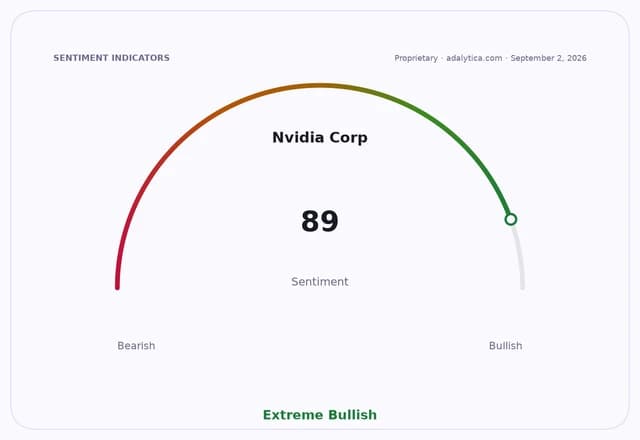
That is why Nvidia, Taiwan Semiconductor Manufacturing and ASML remain so central. Nvidia sits at the center of AI accelerator demand, TSMC is the manufacturing backbone turning those designs into silicon, and ASML provides the lithography machines that make leading-edge chips possible. Their stock moves still reflect that tug of war between long-term demand and short-term volatility, but the broader trend remains intact. Nvidia has been trading above its 50-day moving average, while TSMC is holding well above its 200-day moving average even after recent weakness. ASML, meanwhile, remains a critical gatekeeper for the entire industry despite a recent pullback.
The long-term investing case is less about chasing the next headline and more about understanding who gets paid every time the AI stack expands. Big tech may control the customer relationship, but the infrastructure providers have the kind of moat investors should respect: scarcity, technical complexity and years of capacity constraints. The 10-Q from Nvidia also makes clear that expanding land, power, shell and energy capacity is a multi-year process, not something that can be fixed overnight.
For investors, that means patience matters. The AI buildout will be uneven, expensive and at times crowded, but it is also likely to be durable. If you own the major platforms or diversified exposure to the semiconductor supply chain, this is the sort of secular trend that can compound for years. If you don’t, Taiwan is a reminder that the race for AI infrastructure is still early enough to matter.
| Entity | Gains | Losses |
|---|---|---|
| Nvidia | ▲More accelerator demand | ▼Supply bottlenecks |
| TSMC | ▲Foundry pricing power | ▼Capacity pressure |
| ASML | ▲EUV equipment orders | ▼Cyclical volatility |
| Big tech spenders | ▲More AI capacity | ▼Higher capital costs |