Octobank starts mortgage loans in Uzbekistan
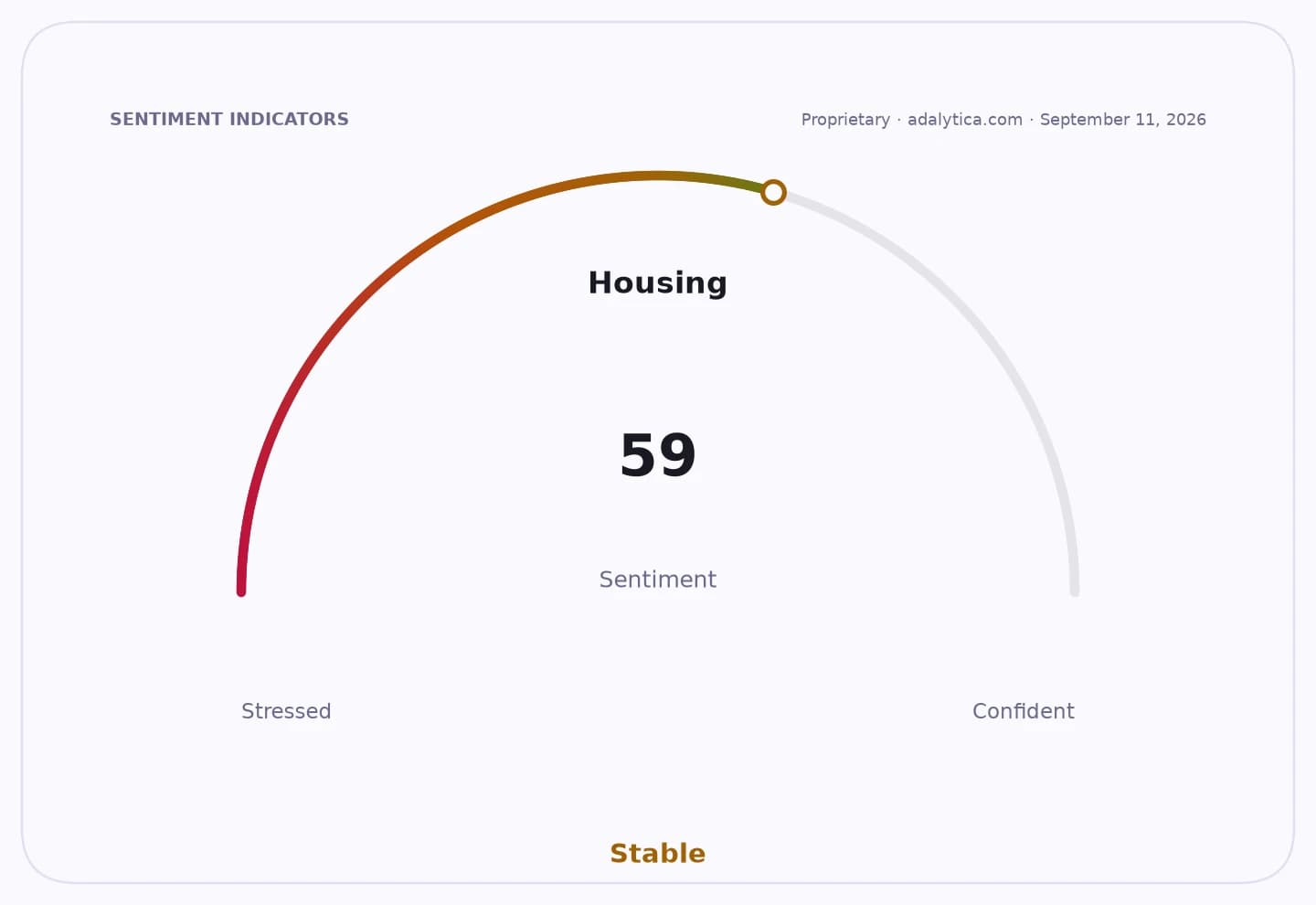
Octobank has begun issuing mortgage loans to individuals, joining a market where borrowers are facing sharply different pricing depending on down payment and customer status.
The bank said customers can finance apartments on both the primary and secondary markets for up to 10 years, with a minimum down payment of 20%. The headline rate is 22% a year for buyers putting down 20% to 49%, while borrowers who can cover at least half the purchase price get a 20% rate. Employees paid through Octobank’s salary project and staff of corporate clients can qualify for rates starting at 18% through Dec. 31, 2026.
The move matters because housing finance remains one of the clearest channels through which banks can capture household demand, deepen client relationships and lock in longer-term assets. For Octobank, entering mortgages broadens its retail franchise beyond transactional banking and gives it a higher-yield lending product in a market where consumer credit is often priced well above developed-market levels.
It also reflects the trade-off facing lenders in an environment of elevated funding costs and sticky bond-market volatility. Higher mortgage rates have been a feature of the broader global market, with lenders adjusting pricing as capital markets have tightened. In that setting, Octobank’s offer looks less like cheap credit and more like a calculated attempt to win share by segmenting borrowers: larger down payments are rewarded with a lower coupon, while payroll and corporate clients are given an added incentive to stay within the bank’s ecosystem.
For borrowers, the economics are straightforward. The difference between 22% and 18% can materially alter affordability over a 10-year term, especially in a market where housing is usually the largest household purchase. The product could help some families move from renting to owning, but it also underscores how expensive leverage remains, limiting the pool of qualified buyers to higher-income households or those with substantial savings.
For investors, the development is most relevant as a sign of where competition and margin pressure may evolve in Uzbekistan’s banking sector. Mortgage lending can be sticky and relationship-based, but it carries interest-rate, prepayment and credit risk. The bank will need to balance growth in originations against the possibility that rising rates and affordability constraints slow demand or weaken asset quality.
The broader narrative is that banks are still willing to lean into housing finance, but only on terms that protect spreads. Octobank’s entry suggests mortgage lending is expanding, yet at pricing that reflects a market where capital is expensive and borrowers must pay up for access.
| Entity | Gains | Losses |
|---|---|---|
| Octobank | ▲New mortgage business | ▼Higher credit and rate risk |
| Homebuyers with big down payments | ▲Lower borrowing costs | ▼Large upfront cash need |
| Payroll/corporate clients | ▲Discounted 18% rate | ▼Limited to qualifying customers |
| Rival lenders | ▲Pressure to compete | ▼Loss of potential market share |