Oil Above $100 Raises Fed Rate-Hike Bets
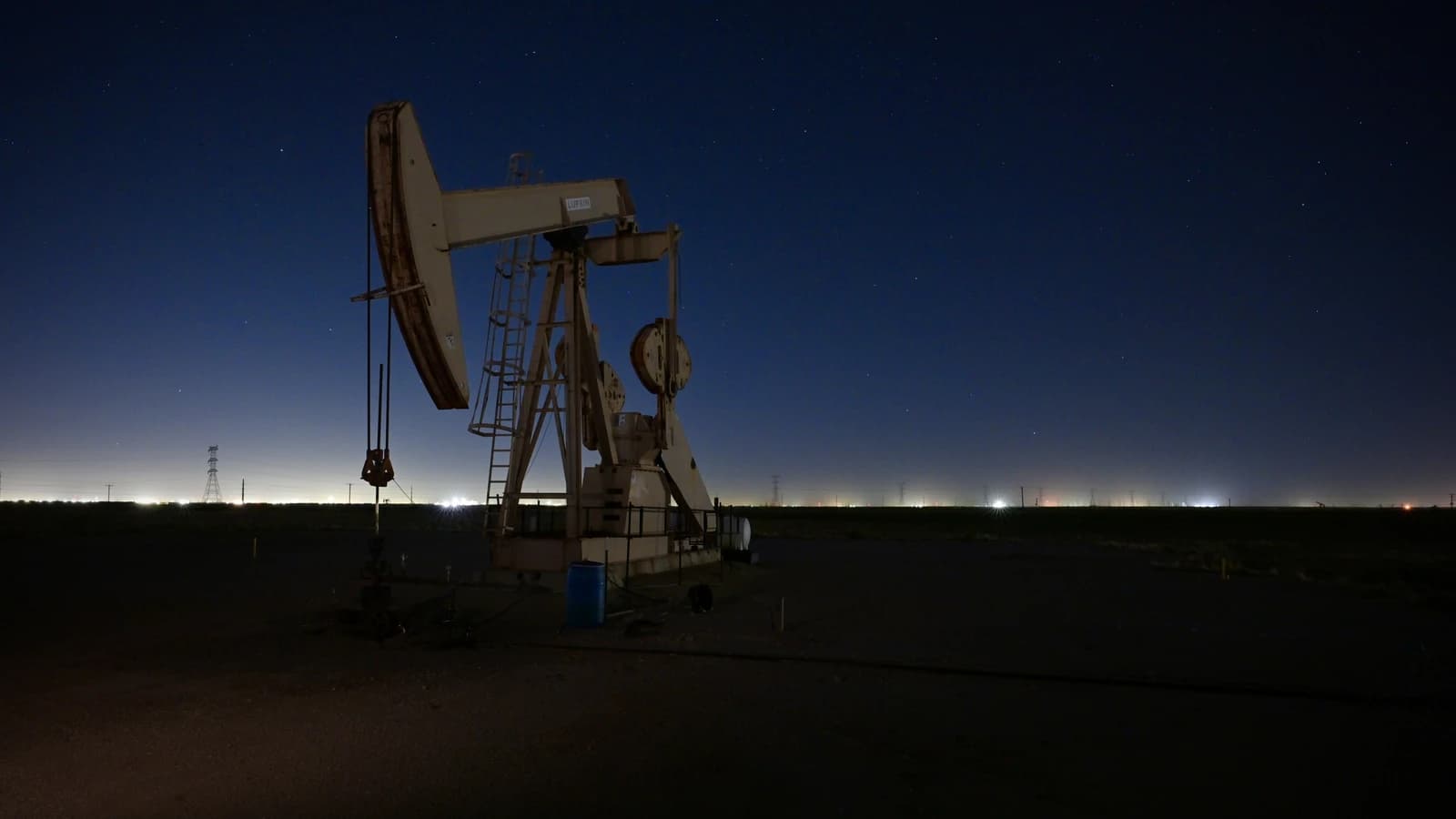
Oil’s surge above $100 a barrel is pushing US inflation expectations higher and strengthening bets that the Federal Reserve may deliver its first rate increase in more than three years, even as growth signals remain uneven.
Brent’s move to about $107.50 and WTI’s climb to roughly $102.50 have revived a classic policy dilemma: energy-driven inflation can tighten financial conditions long before the Fed acts. Higher crude feeds directly into gasoline and transport costs, but it also works through broader inflation psychology, lifting Treasury yields and the dollar and making it harder for policymakers to argue that price pressures are temporary.
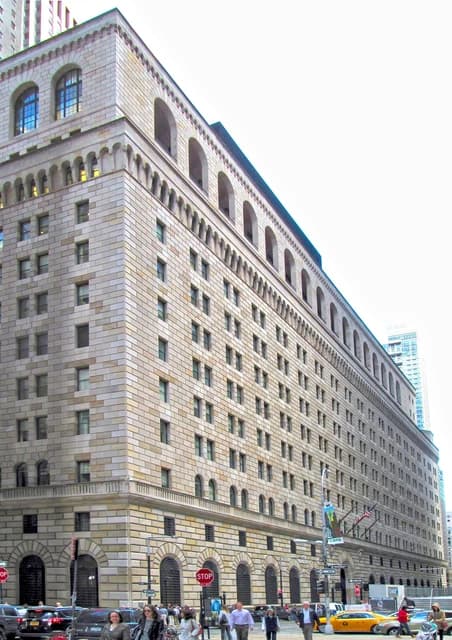
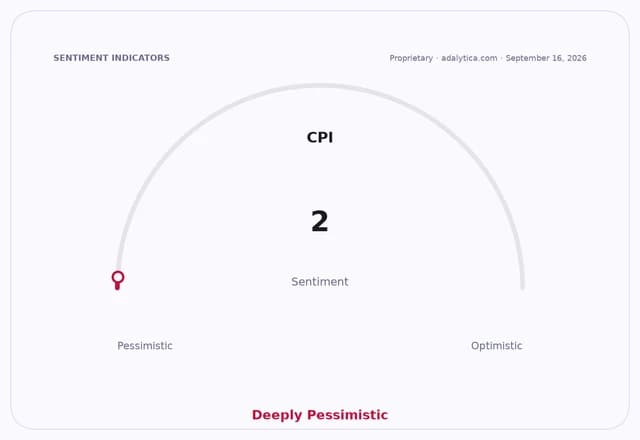
That matters because the Fed is trying to balance a still-fragile recovery against a shock that is largely imported from geopolitics. Supply concerns tied to Middle East tensions, including uncertainty around US-Iran talks and disruptions in Saudi and Yemeni infrastructure, have amplified the rally in oil. When energy prices rise this fast, they tend to filter into headline CPI within weeks, and the policy response can follow with a lag. The latest CPI backdrop underscores the risk: consumer prices are already elevated by historical standards, leaving the central bank with less room to absorb another commodity-led spike.
The market reaction has been consistent with that view. The dollar edged higher toward a two-week peak as rising oil prices helped push Treasury yields up, while equity volatility picked up as investors recalibrated the odds of tighter monetary policy. Oil’s latest move has also kept energy shares supported, but it has increased pressure on sectors that depend on cheap fuel, from airlines and transport to consumer discretionary names.
For investors, the key question is not just whether the Fed hikes, but how aggressively it responds if oil stays near current levels. A first increase after more than three years would reset discount rates across asset classes, strengthen the dollar and challenge rate-sensitive equities, even as it could keep commodity producers and select energy-linked businesses in favor. The bullish case for energy is straightforward: sustained supply risk and strong prices improve cash flow for producers and service firms. The bear case is that a sharper Fed response would eventually cool demand and cap the upside.
What happens next will depend on whether the oil rally proves durable or fades as geopolitical tensions ease. If crude stays elevated, the case for earlier tightening will grow stronger, and markets are likely to remain trapped between inflation fear and growth concern.
| Entity | Gains | Losses |
|---|---|---|
| Oil producers | ▲Higher revenues and cash flow | ▼Demand destruction risk if rates rise |
| Federal Reserve hawks | ▲Stronger case for tightening | ▼Greater risk of policy overreach |
| Dollar bulls | ▲Higher yields support the currency | ▼Risk of later growth slowdown |
| Airlines and transport stocks | ▲— | ▼Fuel-cost pressure and margin squeeze |